EconomyElectronics
Vaishnaw opens Semicon 2.0 portal and clears 12 more electronics component projects
Applications are now open for three pillars of the ₹1.275 lakh crore chip programme, and 12 component projects worth ₹7,503 crore have been approved.
Key points
- Electronics Minister Ashwini Vaishnaw launched the Semicon 2.0 web portal on November 6, 2026.
- Applications are open for Pillars 2, 3 and 4: machines and materials, new fabs, and ATMP/OSAT units.
- Twelve component projects with ₹7,503 crore of investment and 7,127 direct jobs were cleared.
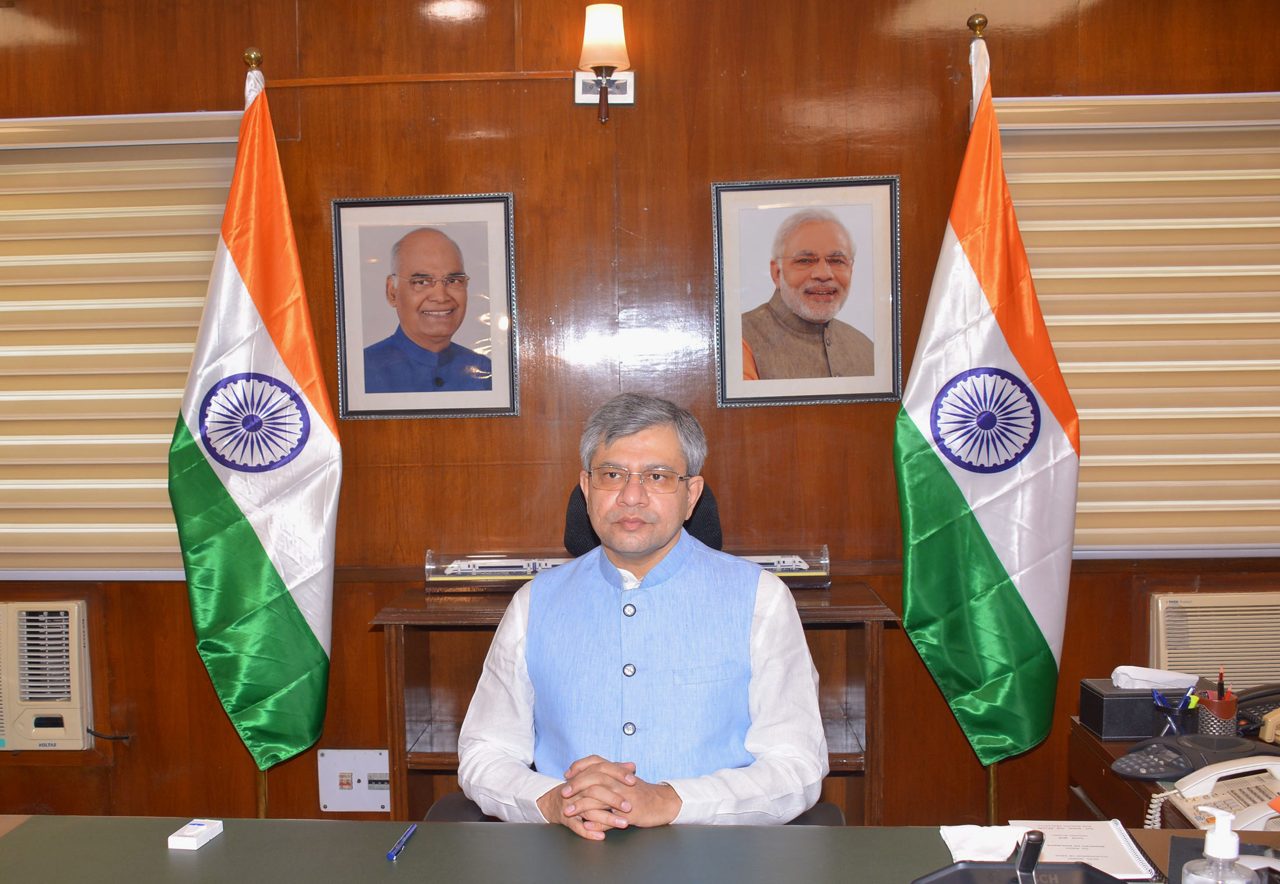
Union Electronics and IT Minister Ashwini Vaishnaw on Friday, November 6, 2026, launched the Semicon 2.0 web application portal, the online gateway for companies that want money under the next phase of the India Semiconductor Mission. The government also cleared 12 more projects under the Electronics Component Manufacturing Scheme (ECMS) on the same day.
What the portal opens
The Union Cabinet has approved Semicon 2.0 with an outlay of ₹1.275 lakh crore. The programme has six pillars: chip design, machines and materials, new fabrication units, assembly and packaging (ATMP/OSAT), research and development, and talent.
Applications are now open for Pillars 2, 3 and 4, which cover equipment and materials, new fabs, and strengthening the ATMP/OSAT industry. The focus is on equipment, materials, chemicals and gases. The aim is to bring in at least three major equipment makers and five chemicals and gases companies.
Semicon 1.0 so far
- 12projects approved across six states
- ₹1.64 lakh crorecumulative investment
- 5in commercial production as of October 2026
Twelve component projects cleared
The 12 new ECMS approvals carry projected investment of ₹7,503 crore and expected production of ₹39,045 crore. They are expected to create 7,127 direct jobs and span seven states: Gujarat, Karnataka, Madhya Pradesh, Maharashtra, Punjab, Tamil Nadu and Uttar Pradesh.
The products include multilayer printed circuit boards, relays, heat sinks, copper foil, anode and cathode materials, specialty ceramics, polypropylene film and camera rims. Copper foil, cathode active material and specialty ceramics are being approved under the scheme for the first time. Capital goods projects include power and control systems from Rockwell Automation India and factory automation equipment from Wipro Pari Robotics.
These approvals follow an earlier round of 106 applications worth ₹69,548 crore.
What the minister said
Vaishnaw said India’s electronics industry has moved “beyond basic assembly operations”, citing growing strengths in battery cells, copper foils and advanced printed circuit boards. He said India “has undergone a fundamental transformation over the past decade” and that the growth rests on “policy initiatives and concerted efforts by the public and private sectors”. Government schemes, he added, are creating openings for small and medium firms.
Startups and students
Beyond factories, the first phase has built a support base for design. 105 startups have access to chip design (EDA) tools, 24 have received funding support and 15 have raised venture capital. Under the Chips to Startup programme, 332 institutions have received EDA tools and about 70,000 students have been trained.