OpinionOur view
Six days is not due process. Let a court decide the Race Course mosque's fate first
The Centre may well be right that the land is its own. But a heritage-listed building that the state's own gazette records as waqf should not fall on a week's notice, with its lights cut and nobody legally able to defend it.
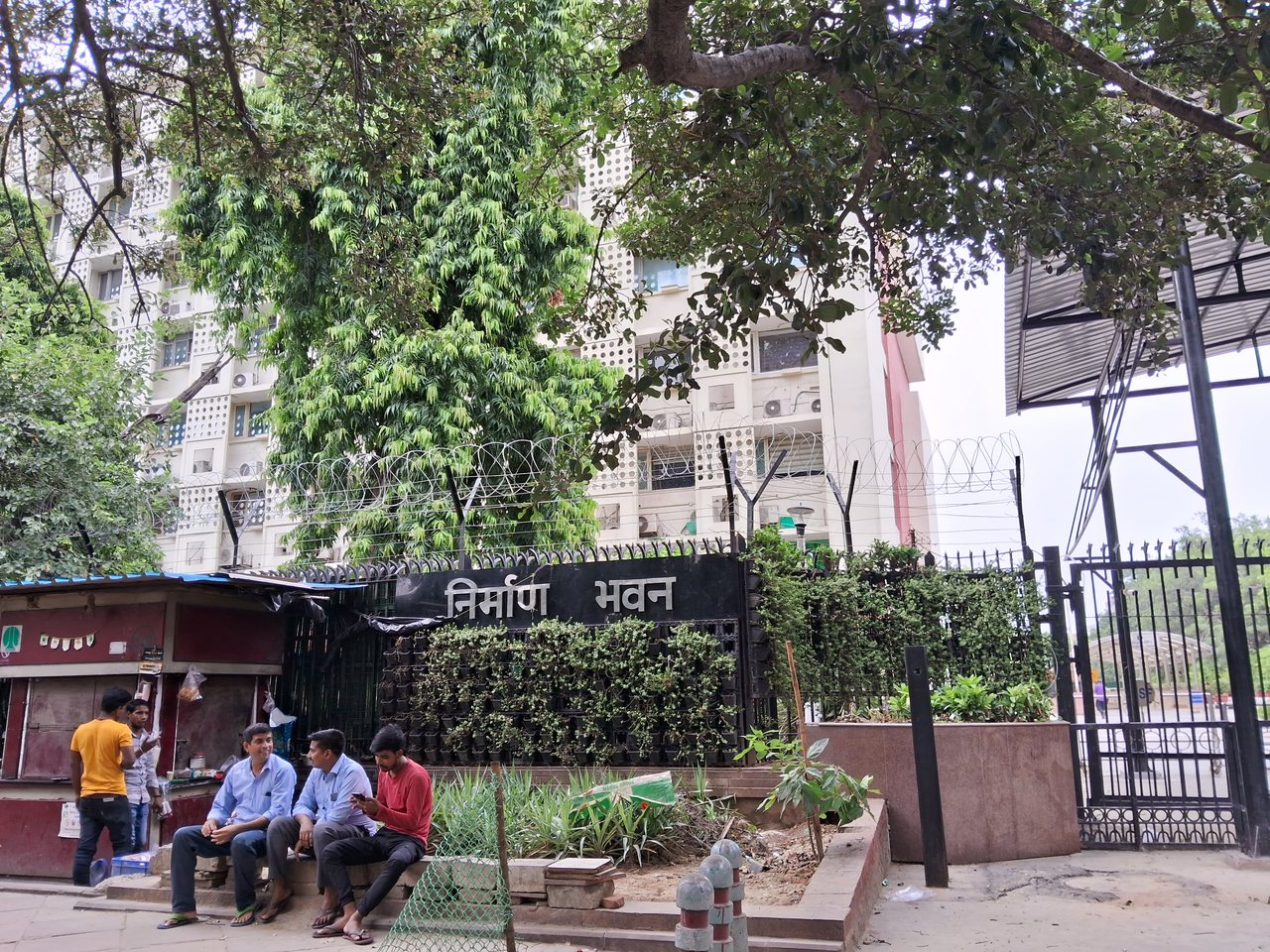
Some time this weekend, a six-day notice served by the Land and Development Office runs out on the Race Course mosque in New Delhi, a short walk from the Prime Minister’s residence. The office, which manages central government land in the capital, says the mosque stands on that land without authority. Its electricity and water were cut earlier this month, and the imam says the mosque now stands in darkness, without drinking water.
The government may have a case. That is exactly why it should be heard.
The case for the Centre
It is only fair to begin there. The L&DO has been clearing the Race Course area for months. In August, after the Delhi High Court declined to stop it, the office pulled down the Delhi Race Club’s boundary wall and stables, and nearby slum settlements were told to leave. The government is entitled to take back land that is its own, and the stretch around the Prime Minister’s house carries obvious security weight. Religious buildings do not acquire a right to stand wherever they happen to stand.
Why this building is different
But this is no shed put up last year. The New Delhi Municipal Council’s own list of notified heritage properties includes “Mosque and Campus, Race Course”. The mosque’s defenders say it was recorded as waqf in the Delhi Gazette in 1977, and the imam says the building is about 125 years old. Whether that makes it lawful on government land is a real legal question. It is not one that an eviction notice can settle in six days.
Who is supposed to argue the other side? The imam, Maulana Haroon, says a petition he filed was turned away because only the Waqf Board could bring it. Delhi has not had a constituted Waqf Board since its last one’s term ended in August 2023. An administrator has run it since January 2024, and a plea asking the High Court to force the board’s formation is still pending. The one body with clear standing to defend the property does not, in practice, exist.
That gap is not of the mosque’s making. Nor should it be a shortcut for anyone else.
A principle the Supreme Court has already drawn
When it heard challenges to the amended waqf law in September 2025, the Supreme Court put on hold the provision that let a government officer decide on his own whether property claimed as waqf was government land. Questions of title, the court’s approach suggested, belong before a tribunal or a judge. The L&DO may be acting under a different law, but the principle travels: when the state is itself the party claiming the land, it should not also be the only one deciding the claim.
Minority Affairs Minister Kiren Rijiju has told a Jamiat Ulama-i-Hind delegation that he would make every possible effort. That assurance should now take a concrete form.
What should happen
First, the L&DO should extend its deadline until a court or the waqf tribunal has ruled on title. Nothing is lost by waiting; a demolished heritage building cannot be put back.
Second, the Delhi government should make sure someone with legal standing defends the property, whether that is the administrator of the Waqf Board or a board finally constituted under the law.
Third, the NDMC’s heritage conservation process should be consulted before any listed building is touched, as it would be for any other listed structure in Lutyens’ Delhi.
Fourth, electricity and water should be restored while the case is heard. Cutting them before a notice is served looks less like administration than pressure.
If the courts find the land belongs to the government and the mosque has no right to it, the state can act with the law plainly behind it. That is a far stronger position than a bulldozer at the end of a six-day notice.
The reporting behind this view
- 6 daysto vacate under the Land and Development Office's notice served on 19 October
- Aug 2023when the last Delhi Waqf Board's term ended; no new board has been constituted
- 1977year of the Delhi Gazette entry the mosque's defenders cite as recording it as waqf