PolicyEnvironment
Supreme Court allows certified green crackers in Delhi-NCR on 7 and 8 November, full ban returns on 9 November
A bench of Justices M M Sundresh and Prasanna B Varale called the Diwali relaxation temporary, restored traders' licences for three days of sales and barred online selling and crackers near hospitals and schools.
Key points
- Certified green crackers may be burst in Delhi-NCR on 7 and 8 November only.
- Licensed traders can sell them between 4 and 6 November, at sites the district authorities pick; online sales are banned.
- The complete firecracker ban returns on 9 November, and the case is back for compliance on 16 December.
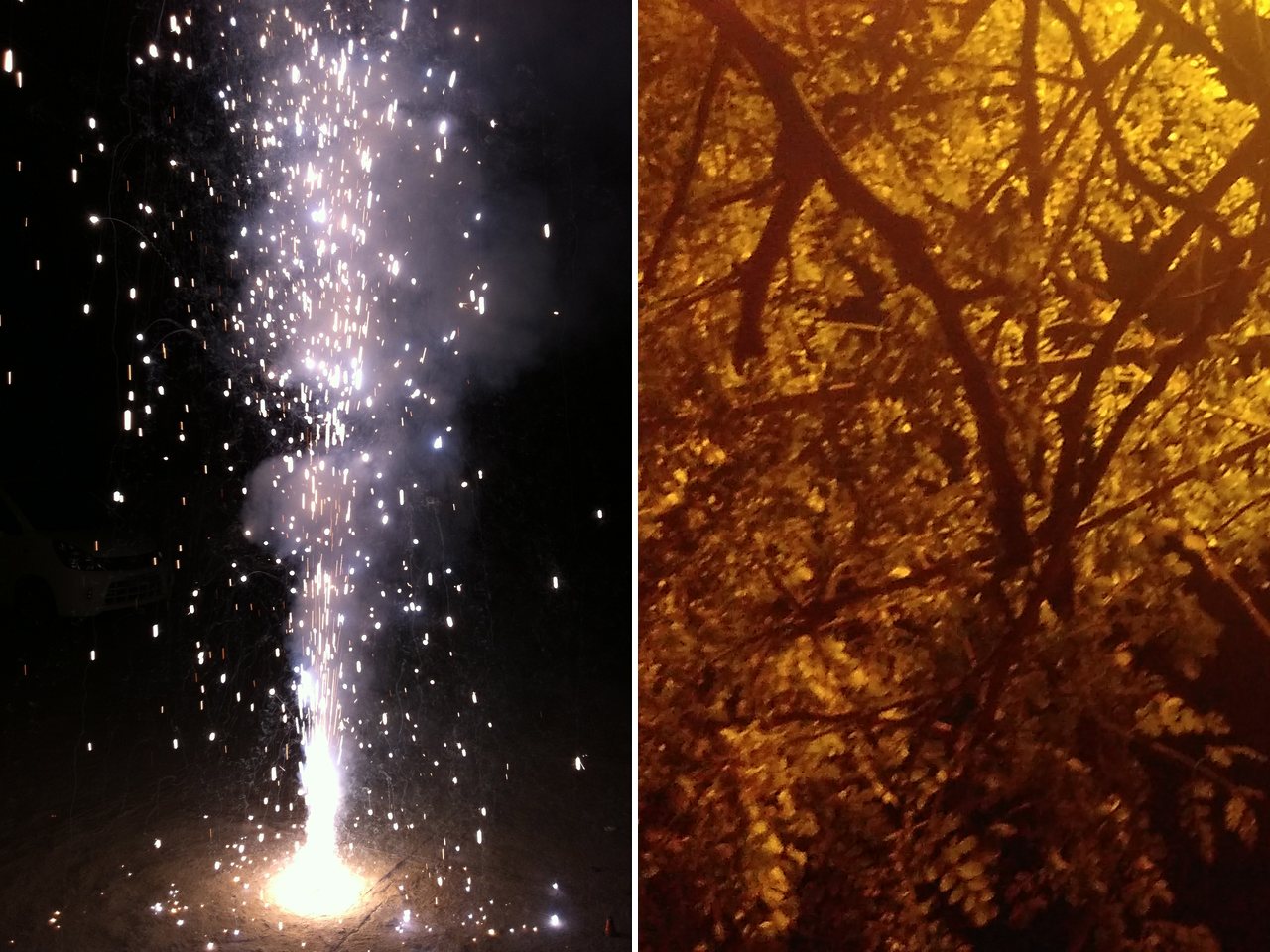
The Supreme Court on Monday allowed people in Delhi and the National Capital Region to burst certified green crackers on 7 and 8 November for Diwali, but said the year-round ban on firecrackers would come back into force on 9 November.
A bench of Justices M M Sundresh and Prasanna B Varale said the relaxation was temporary and tightly fenced. Crackers may be burst only in two short windows on each of the two days, from 6 am to 7 am and from 8 pm to 10 pm. The court said it was directing “the restoration of the complete firecracker ban from November 9, 2026”.
The order came in the long-running Arjun Gopal case on air pollution in the capital, filed in 2015.
Who can sell, and where
The bench temporarily restored the licences of traders whose licences had been cancelled, so they can sell approved green crackers between 4 and 6 November. Sales will be allowed only at places chosen by district collectors or commissioners together with district police chiefs. “The sale of firecrackers is prohibited at all other locations, including online platforms,” the court said.
Only crackers certified as green by the Council of Scientific and Industrial Research’s National Environmental Engineering Research Institute (CSIR-NEERI) can be made and sold, and only products uploaded on the institute’s website between 2 and 6 November qualify. Manufacturers also need a licence from the Petroleum and Explosives Safety Organisation.
Every box must be fully sealed and carry a product and batch-specific QR code which, when scanned, shows the maker and its NEERI registration. The codes cannot be transferred, and selling them will lead to cancellation. Joined series crackers known as “ladis”, garlands and anything containing barium stay banned.
No crackers near hospitals and schools
The court declared areas within 300 metres of hospitals, nursing homes, health centres, old-age homes, schools and colleges and notified silence zones to be “no-cracker zones”, to be marked on the ground and publicised.
Manufacturers and traders must put up money as security, which will be forfeited if they break the rules. Police patrol teams have been told to inspect sale points, check QR codes, search vehicles entering Delhi-NCR, seize illegal crackers and prosecute offenders.
Watching the air
The Central Pollution Control Board and state boards must file three air quality reports: one for 2 to 6 November, one for the two festival days, and one for 9 to 30 November. The court also directed that the Winter Action Plan 2026, the Air Pollution Mitigation Plan 2026 and the annual action plan of the Commission for Air Quality Management be published in newspapers and on news channels.
The judges said the aim was wider than one festival. “The endeavour is to bring about a holistic change for which the public perception has to change,” the bench said, adding: “One must embrace the Precautionary Principle by being proactive to prevent issues.”
Affidavits and reports are due by 14 December, and the case will be listed for compliance on 16 December.