OpinionOur view
Counting rice every Friday will not cool prices on its own. The Centre must put its cheap grain on southern shelves, and show what the count finds
From now on every trader, retailer and miller must declare rice and paddy stocks each week, and five southern states may cap them until January 31. Data and caps help only if the government uses them openly, spares farmers selling paddy at harvest and moves its own stocks fast to where Sona Masoori has turned dear.
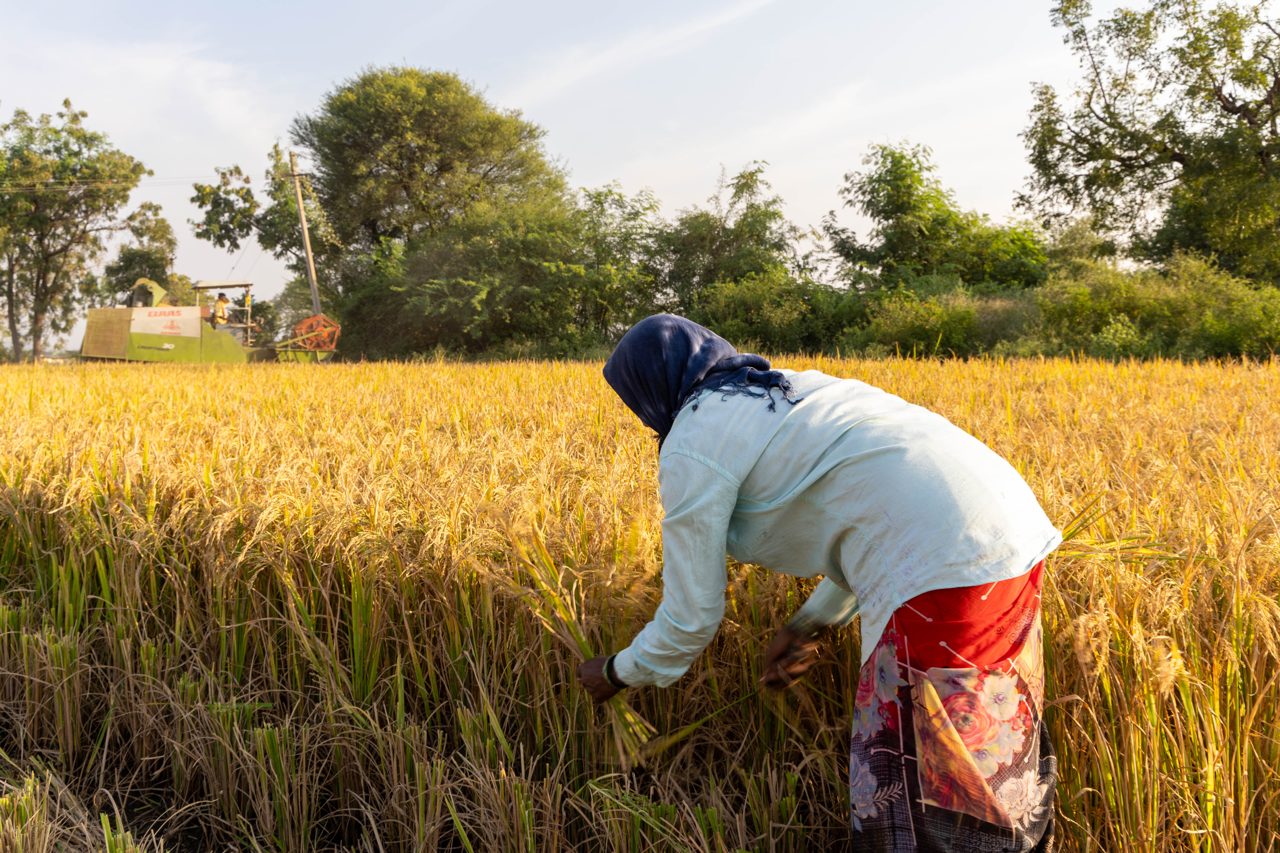
Rice is one food whose price the government has real power to move. It holds large stocks, it sells grain to bulk buyers, and it can tell traders what to declare and how much to keep. That is why the order of November 6, 2026, deserves both support and scrutiny.
From now on every trader, wholesaler, retailer, big chain and miller must register and report rice and paddy stocks every Friday on the Food Stock Portal, in six categories from Basmati to broken rice. Andhra Pradesh, Karnataka, Kerala, Tamil Nadu and Telangana may cap how much a trader holds until January 31, 2027. Those who break the rules face action under the Essential Commodities Act.
The pressure is real. Retail rice inflation rose to 8.25% in September from 5.89% in August, and the average retail price is about ₹48.23 a kg, roughly 12% higher than a year ago. In the south, wholesale Sona Masoori was reported to have climbed to ₹65 to ₹70 a kg from about ₹50 a month earlier. Paddy was sown on about 4% less land this kharif after poor and uneven rain.
We have been here before
This is not a new tool. In February 2024, with rice up 14.5% in a year, the food ministry ordered the same weekly disclosure. The then food secretary, Sanjeev Chopra, said it would “send a signal to these unscrupulous elements who are holding stocks for no reason.” The returns are only as useful as what is done with them, and how much of it the public gets to see.
In Andhra Pradesh the warning signs came early. In August, Kurnool’s civil supplies department capped A-grade rice at ₹52 a kg after Sona Masoori jumped from about ₹50 to near ₹63 in six weeks. “There is no justification for such a steep hike based on production alone,” a senior official said then, blaming hoarding. A local miller insisted that “none of the millers has any significant stock at present.”

Officials blame hoarders; millers point at traders. Weekly returns can settle the argument, but only if the findings are made public.
The fair worry about caps
Stock limits have a cost, and it falls on the wrong people if they are badly timed. November is harvest season. A miller who cannot hold paddy beyond a low limit will buy less of it, and the first to pay is the farmer standing in the mandi with his crop. Caps that treat a processor’s working stock like a speculator’s hoard can push down paddy prices without lowering rice prices on the shelf.
The five states should set limits that leave room for millers to buy the harvest, and aim them at the grades and markets where prices have run furthest.
The cheaper lever is already in hand
The government’s real advantage is supply. Experts agree this is not a national shortage: central stocks are comfortable and the squeeze sits in a few regions and varieties. The Centre has doubled its open market sale target to 50 lakh tonnes and sold 25 lakh tonnes by October 31. Its reserve price for that rice is ₹2,970 a quintal, under ₹30 a kg, far below what shoppers are paying.
That gap is the point. Extra grain for Bharat Rice and the e-auctions should be moved to the south first and fastest, in weekly lots, and sold where the price rise is worst.
What should happen now
First, the food ministry should publish the portal totals every week, by state and by category, so that buyers, farmers and economists can see whether stocks are piling up and where.
Second, the southern states should name any trader found holding beyond the limits, rather than leave hoarding as a suspicion.
Third, the Centre should report each week how much open market and Bharat Rice has reached each southern state.
Counting is useful. Rice on the shelf at a fair price is the test.
The reporting behind this view
- 8.25%retail rice inflation in September 2026, up from 5.89% in August
- 50 lakh tnew open market sale target for rice in 2026-27, double the old one
- ₹29.70/kgreserve price for open market rice from November 1, 2026