Science & TechDefence
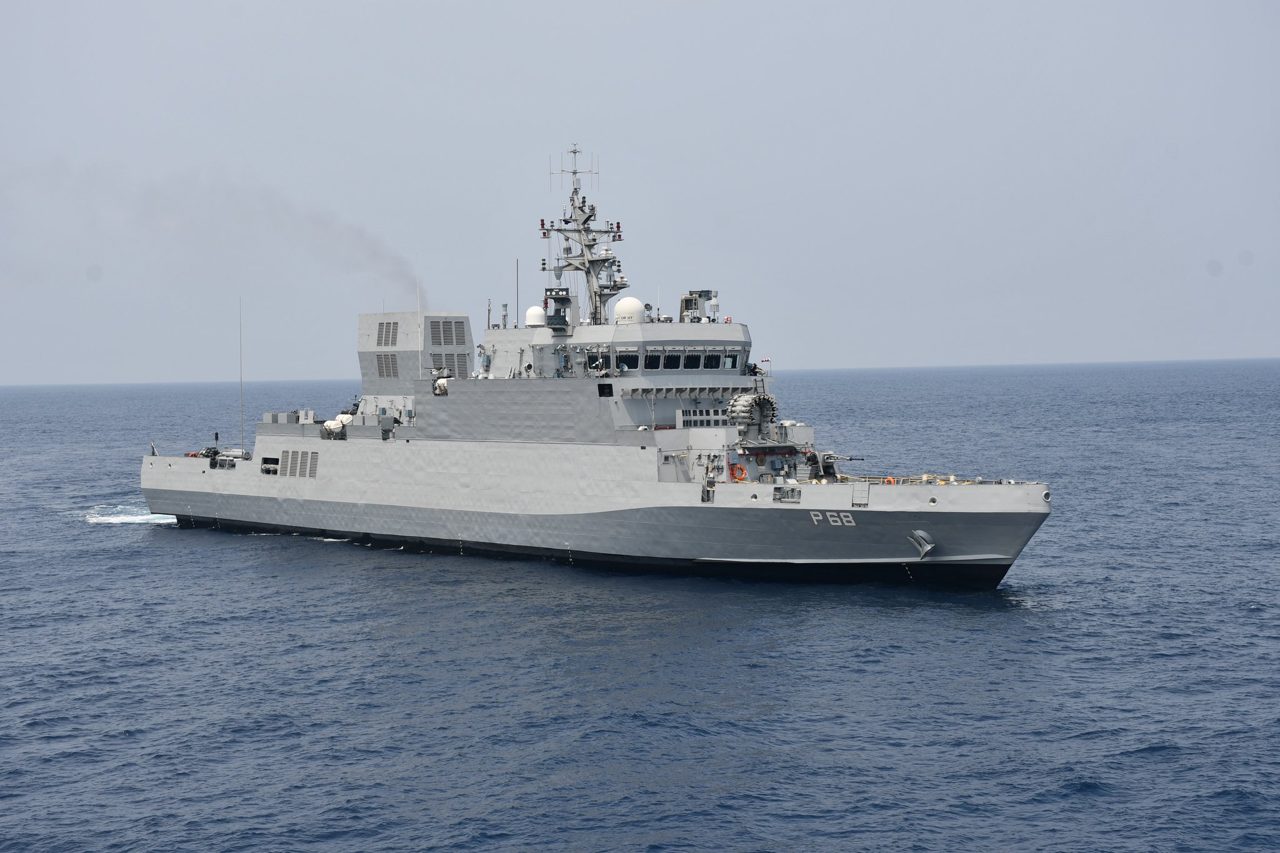
Navy receives Amini, fifth indigenous anti-submarine shallow water craft from GRSE
The 77.6-metre waterjet-driven warship, built in Kolkata with over 80% Indian content, is meant to hunt submarines close to the coast. Three more of its class are still to come.
Key points
- The Navy formally took delivery of Amini on November 5, 2026, from Garden Reach Shipbuilders and Engineers.
- It is the fifth of eight anti-submarine shallow water craft that GRSE is building for the Navy.
- The Ministry of Defence puts its indigenous content at over 80%.
The Indian Navy has taken delivery of Amini, an anti-submarine warfare shallow water craft designed and built by Garden Reach Shipbuilders and Engineers (GRSE) in Kolkata. The ship was formally accepted on Thursday, November 5, 2026, and the Ministry of Defence announced the handover on Friday.
Rear Admiral Gautam Marwaha, Chief Staff Officer (Technical) at the Headquarters of the Eastern Naval Command, accepted the ship on behalf of the Navy. Amini is the fifth of eight such craft that GRSE is building, and the shipyard’s fourth warship delivery of 2026.
A hunter for the coastline
The class is built to find and attack submarines in the shallow waters close to India’s coast. Amini is about 77.6 metres long with a draught of about 2.7 metres, which lets it work in littoral waters. It is driven by marine diesel engines and waterjets, and the ministry has described the craft of this class as the largest Indian naval warships to use waterjet propulsion.
Its job is underwater surveillance, search and attack, and anti-submarine operations in coordination with naval aircraft. The ship also adds to the Navy’s coastal surveillance and mine-laying capability. It carries lightweight torpedoes, indigenous anti-submarine rocket launchers, shallow water sonar, a combat management system and a 30 mm naval surface gun made by GRSE itself.
The Ministry of Defence puts the ship’s indigenous content at over 80%, and links it to the government’s Aatmanirbhar Bharat push for home-built defence equipment. GRSE has put the figure for the whole programme at about 88%. Like the rest of the class, Amini was built to the classification rules of the Indian Register of Shipping.
An old name returns
The ship takes its name from Amini Island in Lakshadweep. The name was carried earlier by INS Amini, a Petya III class anti-submarine corvette that was decommissioned in 2002. The Navy often passes the names of retired ships to new ones.
Amini was launched on November 16, 2023, at the Larsen and Toubro yard in Kattupalli near Chennai, as the fourth hull of the GRSE project. It joins Arnala, the first of the series, Androth, the second, and Agray, which GRSE handed over in Kolkata on March 30, 2026, on the same day as Dunagiri and Sanshodhak.
What comes next
For GRSE, Amini is its 119th warship and the 81st delivered to the Indian Navy. The shipyard still has 13 frontline naval platforms on its books: one Project 17A stealth frigate, the three remaining anti-submarine shallow water craft, four Next Generation Offshore Patrol Vessels and five Next Generation Corvettes. It is also building 36 other vessels, 13 of them for export.
The Navy has not yet announced a date for commissioning Amini into service. Arnala and Androth, the first two ships of the class, have already been commissioned.
The documents
- Delivery of AgrayPIB (Ministry of Defence), March 30, 2026
- Launch of 'Amini', fourth ship of ASW SWC (GRSE) project on 16 Nov 23 at M/s L&T, KattupalliPIB (Ministry of Defence), November 16, 2023