Science & TechHealth
WHO: six climate and health measures could prevent 1.6 million deaths a year
A new WHO analysis says heat warnings, clean cooking fuels, safe water, sanitation, hygiene and ending harmful fuel subsidies would pay for themselves many times over, days before COP31.
Key points
- WHO models 1.6 million deaths prevented a year, about one in 40 of all deaths.
- The six measures would avoid 16.7 billion tonnes of CO2 a year, about 31% of global emissions excluding land use.
- For five of the six, every US$1 spent returns US$24 in benefits; heat warnings return US$835 per dollar.
The World Health Organization says six climate and health measures could prevent 1.6 million deaths a year, about one in every 40 deaths, if governments scaled them up worldwide. The figure comes from a report released from Geneva on November 4, 2026, ahead of the COP31 climate talks.
The report, Global benefits and costs of prioritized actions on climate change and health, is described by WHO as the first full analysis of the economic and fiscal returns from the measures. The numbers are model projections, not counted deaths.
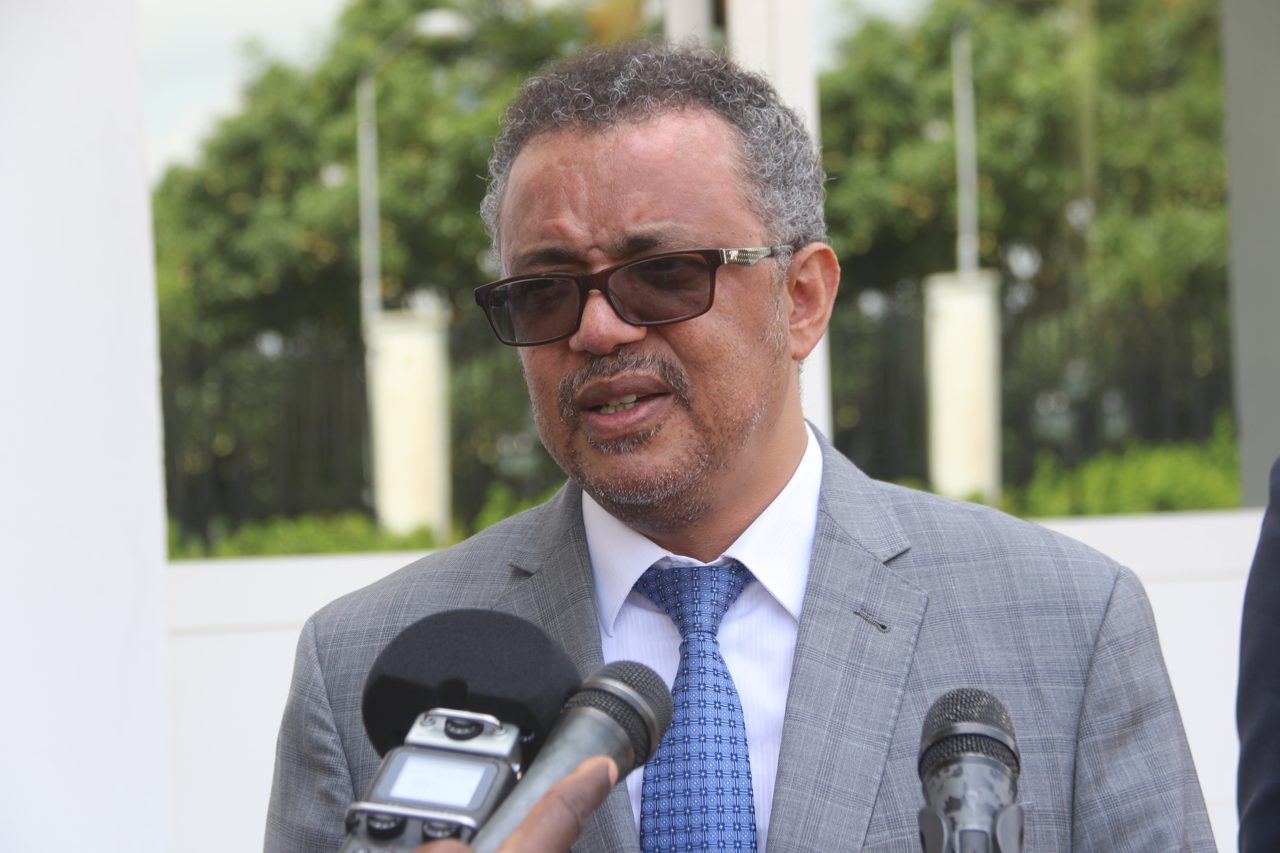
“The climate crisis is a health crisis, but much of the harm it causes can be prevented with tools we already have,” said Dr Tedros Adhanom Ghebreyesus, WHO Director-General.
The six measures
The package covers heat early-warning systems linked to health response, drinking-water services that withstand climate impacts, better sanitation, hygiene facilities including handwashing, clean fuels and technologies for cooking and heating at home, and efficient fossil fuel pricing, meaning an end to inefficient subsidies and the use of appropriate taxes.
What it would deliver
Fossil fuel pricing does most of the work: 1.2 million of the 1.6 million lives saved. The measures together would avoid 16.7 billion tonnes of carbon dioxide a year, about 31% of global greenhouse gas emissions excluding land use, and bring US$3.9 trillion a year in welfare benefits and US$5.4 trillion in fiscal benefits, all of the latter from fuel pricing.
On returns, WHO estimates that across five of the actions each US$1 invested yields about US$24. Heat-health warning systems return an estimated US$835 for every dollar. Benefits are expected to be larger in low- and middle-income countries.
Limits of the model
WHO modelled 2024 to 2075 and compared scale-up with no scale-up. It lists its own caveats: the scale-up assumed is aspirational, some measures are modelled as if they do not reinforce one another, evidence is thin in places, and long-range projections are uncertain.
“Protecting health must be at the centre of climate action,” Tedros said. WHO will run a Health Pavilion at COP31 from November 9 to 20, 2026.
The documents
- Six climate and health actions could save 1.6 million lives and deliver trillions in benefits each yearWorld Health Organization, November 4, 2026