Key points
- President Droupadi Murmu presented 15 Arjuna Awards at Rashtrapati Bhavan on Friday, November 13, 2026.
- Treesa Jolly and Gayatri Gopichand missed the ceremony because they are playing the Japan Masters.
- Five Dronacharya coaches and four Tenzing Norgay adventure awardees were also honoured.
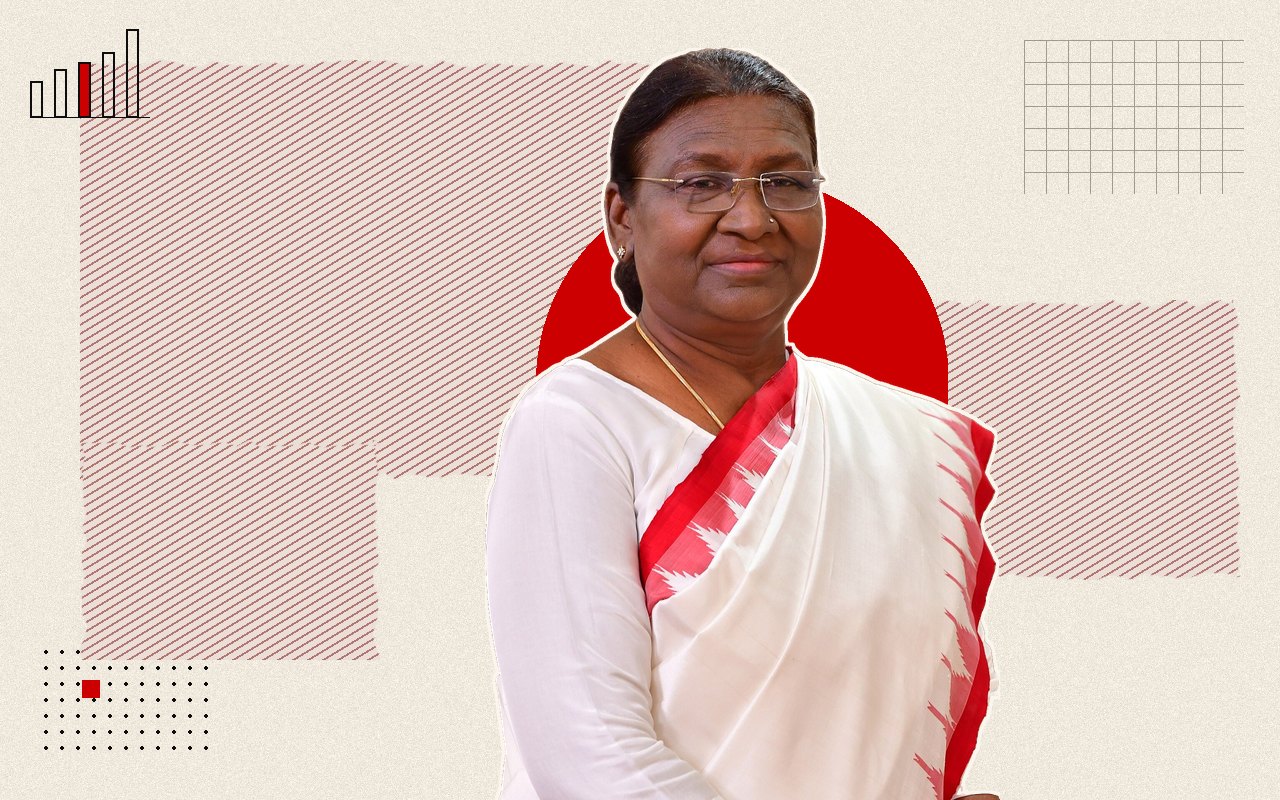
President Droupadi Murmu presented the National Sports Awards 2025 at Rashtrapati Bhavan in New Delhi on Friday, November 13, 2026, giving Arjuna Awards to 15 athletes, Dronacharya Awards to five coaches and the Tenzing Norgay National Adventure Awards to four people. The ceremony came more than a year after the date on which the awards are ordinarily given.
The Sports Ministry announced the winners on August 18, on the recommendation of a selection committee chaired by former Supreme Court judge Justice (Retd) Arun Kumar Mishra. Seventeen sportspersons were named for the Arjuna Award for outstanding performance, along with one lifetime Arjuna.
The Arjuna winners
Two of the best known names on the list were Tejaswin Shankar and Divya Deshmukh. Tejaswin, a decathlete, won bronze at the Commonwealth Games, the first Indian athlete to win a medal in the event there. Divya, a chess player, won the FIDE Women’s World Cup 2025, beating Koneru Humpy 1.5 to 0.5 in the rapid tie-breaks of the final.
The other Arjuna winners who received their awards from the President were:
- Muhammed Ajmal Variyathodi and Priyanka Goswami (athletics, the latter in race walking)
- Narender (boxing)
- Vidit Santosh Gujarathi (chess)
- Dhanush Srikanth and Rudransh Khandelwal (para shooting)
- Lalremsiami Hmarzote and Rajkumar Pal (hockey)
- Surjeet and Pooja (kabaddi)
- Ekta Bhyan (para athletics)
- Arvind Singh (rowing)
- Akhil Sheoran (shooting)
The lifetime Arjuna Award went to the veteran footballer Isaiah Arumainayagam. This award honours athletes who continue to promote their sport after retiring from competition.
Absent for the Japan Masters
Two of the 17 announced Arjuna winners were not in the hall. The badminton doubles pair Treesa Jolly and Pullela Gayatri Gopichand were playing the Japan Masters at the time, so they could not receive their awards in person. Our earlier reports on the pair, including their quarter-final exit at the Denmark Open, tracked a busy autumn on the tour.
Coaches and adventure awards
The Dronacharya Award, given to coaches, went to Parveer Singh (athletics), Chhote Lal Yadav and Dharmendra Singh Yadav (both boxing), Neha Nandkumar Chavan (shooting) and Virendra Kumar (wrestling).
The Tenzing Norgay National Adventure Awards for 2024 were presented in the same ceremony. Baljeet Kaur and Skalzang Rigzin won in land adventure, Rimo Saha in water adventure and Shiv Prasad Chamoli the lifetime achievement award. No air adventure winner was named in the ceremony reports.
The Rashtriya Khel Protsahan Puraskar, which recognises bodies that support sport, went to the Army Paralympic Node in Pune. Lieutenant Colonel Daljit Singh received it from the President.
Why the date matters
Under the ministry’s scheme the National Sports Awards are ordinarily presented on August 29, the birthday of hockey great Major Dhyan Chand, which is observed as National Sports Day. The scheme allows the date to be changed in years of the Olympic, Commonwealth or Asian Games, in consultation with the President’s Secretariat. No cause for this year’s delay was given in the reports of the ceremony.
The ministry’s August 18 announcement did not name a recipient of the Major Dhyan Chand Khel Ratna, the country’s highest sporting honour, for this cycle.
What the awards recognise
The Arjuna Award recognises outstanding performance in sport and games, and the Dronacharya Award honours coaches. Both are given on the recommendation of the selection committee and presented by the President.
For Tejaswin and Divya the awards follow results that had already drawn national attention, the Commonwealth Games bronze in the decathlon and the Women’s World Cup title in chess. The lifetime Arjuna for Arumainayagam and the lifetime Tenzing Norgay award for Chamoli acknowledge careers in which the work continued long after the competing years.