Key points
- Goods exports rose 45.06% to a record $49.47 billion in October, and goods and services together reached $89.99 billion.
- The overall trade deficit narrowed to $20.09 billion from $25.15 billion a year earlier, though the goods deficit stayed near $39.9 billion.
- Piyush Goyal, opening the 45th India International Trade Fair, said India is on track for $1 trillion in exports in 2026-27.
India’s merchandise exports rose 45.06% to a record $49.47 billion in October, up from $34.11 billion a year earlier, according to Commerce Ministry data released in New Delhi on Friday, November 13, 2026. Counting services, total exports reached $89.99 billion, nearly 30% more than the $69.27 billion of October 2025.
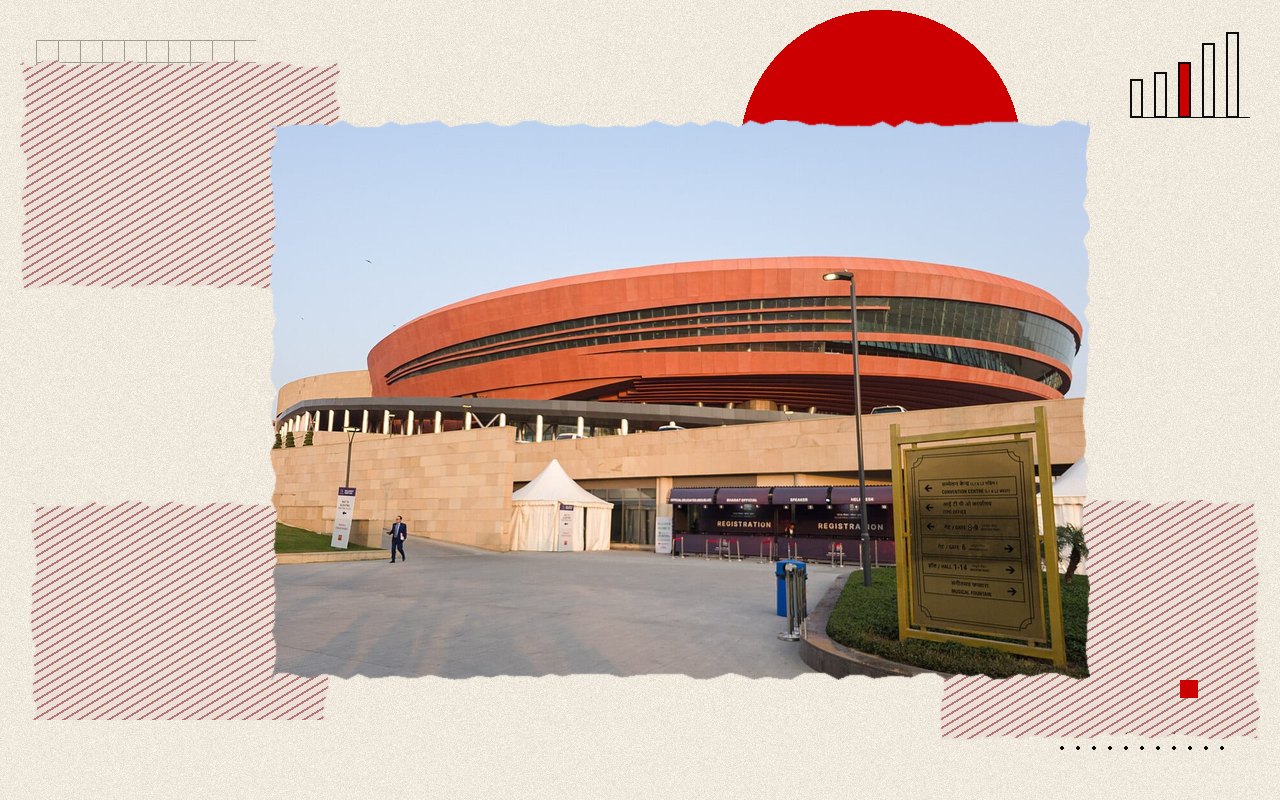
The same day Commerce and Industry Minister Piyush Goyal opened the 45th India International Trade Fair at Bharat Mandapam and told the gathering that exporters are on course to reach $1 trillion in exports this financial year. The fair is open to business visitors and the public from November 14 to 27.
What the data says
Commerce Secretary Rajesh Agrawal, releasing the figures, said India had recorded “the highest-ever monthly goods exports in October 2026”. He described the growth as “broad-based across countries and regions”: 43 of India’s top 50 export destinations posted growth over the year.
Goods exports were also 11.4% above September, when they stood at $44.40 billion. Among the sectors reported, gems and jewellery rose 34% to $2.92 billion on what was described as buoyant demand. Sector-wise figures for electronics, engineering goods and petroleum products were not in the initial reports.
Imports grew more slowly than exports, which pulled down the overall gap. Total imports of goods and services were $110.07 billion, against $94.42 billion a year earlier, and the overall trade deficit narrowed to $20.09 billion from $25.15 billion. The deficit was 10.04% of total trade, down from 15.36%.
Goods and services
| October 2026 | October 2025 | |
|---|---|---|
| Goods exports | $49.47 bn | $34.11 bn |
| Goods imports | $89.35 bn | $76.69 bn |
| Services exports (estimate) | $40.51 bn | $35.17 bn |
| Services imports (estimate) | $20.72 bn | $17.73 bn |
Services again covered part of the goods gap. By the ministry’s figures, services exports of $40.51 billion exceeded services imports by about $19.8 billion, which offset roughly half of a goods trade deficit of $39.88 billion. The ministry said the October services numbers are estimates, because the latest Reserve Bank of India services data runs only to September.
Reports on the data tie the wider goods deficit to the oil bill. It was $30.21 billion in September, and the October figure is higher because crude prices have climbed during the conflict in West Asia.
How the year has run
Exports have been strong for several months. Goods exports grew 23.04% in September, as we reported on October 15, to $44.40 billion, and total exports of goods and services in the July to September quarter were an estimated $242.6 billion, a second-quarter record. In April to October, total exports are estimated at $568.84 billion, up 16.66% from $487.59 billion in the same period last year.
That run has come while trade talks with the United States have stalled at what officials described as a plateau, a development we covered on October 11, and while India has signed or advanced trade pacts elsewhere, including the UK agreement on which Goyal set a 2030 trade target. On October 21 Goyal said the Commerce Department was working with state governments so that small firms and farmers can use India’s free trade agreements. At the fair, he repeated that call, urging businesses, startups, MSMEs and exporters to make more use of the agreements.
What Goyal said at the fair
Goyal said India plans to grow its economy of roughly $4 trillion to $30 trillion by 2047, the centenary of independence. On exports, he said India had reached about $480 billion in the first six months of the financial year, which is 48% of the annual $1 trillion target, and that exports usually gain momentum in the second half of the year.
He also promoted the principle of “Zero Defect, Zero Effect” for manufacturing, meaning goods without quality flaws and without environmental harm, and said development should go together with preserving India’s heritage. He announced plans to expand Bharat Mandapam’s exhibition space, which would nearly double it.
The fair has more than 3,500 exhibitors across 17 halls. Thirty-two states and Union Territories and 51 central ministries, departments and public sector undertakings are taking part, along with 11 countries including Thailand, Iran, Ghana, Nepal, the UAE, Turkiye and China. Bihar, Maharashtra, Rajasthan and Uttar Pradesh are the partner states, and about 600 startups are in the Hall of Inspiration.
Why it matters
Export earnings feed directly into jobs in the sectors that ship the most, such as jewellery, textiles and engineering goods, and into the foreign exchange that pays for imports. The goods deficit shows the other side: with oil prices high, India’s import bill rose by about $12.7 billion over the year while goods exports rose by about $15.4 billion, which leaves the gap near $40 billion.
For the $1 trillion target, the arithmetic is now clearer. With $568.84 billion booked in seven months, India needs about $431 billion in the remaining five months, an average of roughly $86 billion a month, which is below October’s $89.99 billion.
What happens next
November trade data is due from the Commerce Ministry in mid-December. The trade fair continues at Bharat Mandapam until November 27, and talks with the United States, which have not produced a deal, remain the main uncertainty for exporters.