Key points
- Senior officials held the seventh India-EU Strategic Partnership Review Meeting in New Delhi on November 9, 2026.
- Both sides want the free trade agreement signed and brought into force on time, and Council President Antonio Costa has said Modi will travel to Brussels in December to sign it.
- On Saturday the two sides completed talks on India's association with Horizon Europe, the EU's research funding programme.
Senior officials of India and the European Union met in New Delhi on Monday, November 9, and reviewed how far the India-EU free trade agreement has travelled towards signing, as the two sides prepare for the deal to be signed in Brussels next month. The meeting was the seventh India-EU Strategic Partnership Review Meeting.
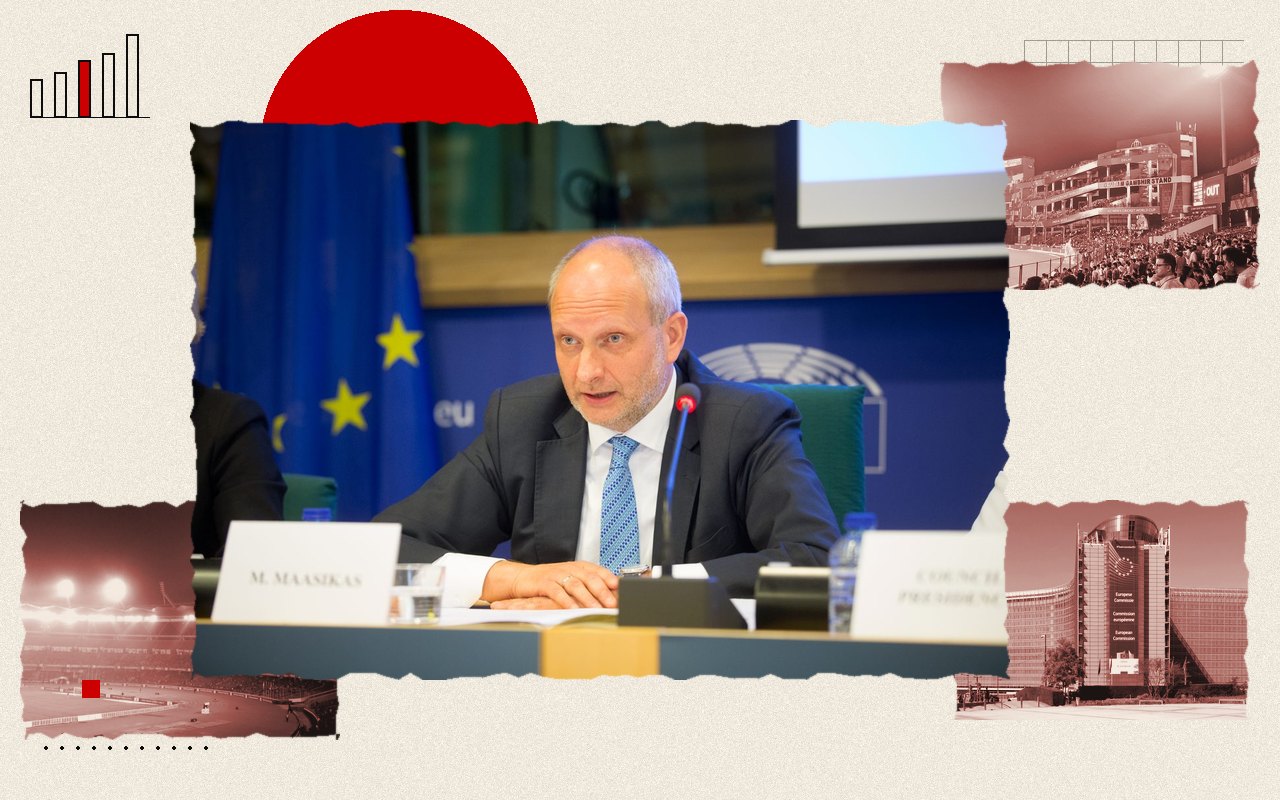
Sibi George, Secretary (West) at the Ministry of External Affairs, co-chaired the meeting with Matti Maasikas, Deputy Secretary-General for Geoeconomics and Interinstitutional Issues at the European External Action Service.
What the two sides said
The MEA said discussions covered “trade and investment including the India-EU FTA, supply chains and economic security”. The two sides took stock of the Joint Comprehensive Strategic Agenda that leaders adopted at the 16th India-EU Summit in New Delhi on January 27, 2026, and of progress towards the “timely signing and implementation” of the trade pact.
They also agreed to keep working towards an Investment Protection Agreement and an agreement on Geographical Indications, the two pieces that sit beside the trade deal. Talks on economic security, the Trade and Technology Council and the Blue Valleys initiative were part of the same session, along with cooperation on artificial intelligence, quantum technologies, digital public infrastructure, semiconductors, clean technology and biotechnology.
On shipping, the sides agreed to work towards listing Indian ship recycling yards that meet the EU Ship Recycling Regulation. They also discussed talent mobility, education and skills, and an update on the European Legal Gateway Office. The next review will be held in Brussels next year.
Research door opens
The meeting came two days after the two sides finished negotiations on India’s association with Horizon Europe, the EU’s flagship research and innovation programme. An official statement said the association “marks a strategic move into a long-term institutional framework of research cooperation”.
Once the association takes effect, Indian researchers, institutions and companies will be able to apply for funding calls through collaborative projects, join European research consortia and infrastructure, and co-develop critical technologies and standards. Exploratory talks began after the January summit, and formal negotiations started after a Trade and Technology Council ministerial meeting in Brussels on July 15, 2026.
How the trade deal got here
India and the EU announced the conclusion of FTA talks on January 27, 2026, ending a negotiation that began in 2007, stalled in 2013 and was relaunched in 2022. European Commission President Ursula von der Leyen called the outcome “the mother of all deals”.
On September 11, the European Commission sent its proposal to the Council to sign and conclude the agreement. Trade Commissioner Maros Sefcovic said the papers were going forward in “record time” and added: “Timing matters.” The Council must authorise the deal and the European Parliament must approve the final text before it can be implemented.
Last month, European Council President Antonio Costa said at an event in Montreal: “Prime Minister Modi will come in December to sign the deal.” No date for the Brussels visit has been announced by either side.
What the pact would change
The European Commission says tariffs would be removed or cut on 96% of EU goods exports to India, saving European exporters about €4 billion a year. India and the EU already trade more than €180 billion in goods and services a year, according to the Commission. Under the terms reported in January, the EU would liberalise tariffs on 99.5% of imports from India by value, while India would do so on 97% of imports from the EU.
Together the two sides would form a market of more than two billion people, roughly a quarter of the global economy. For Indian consumers, the most visible change would be on European wine, where the duty on bottles priced at €10 or more per 750 ml would fall from 150% to 20% from the eighth year, and on cars, where duties now as high as 110% would be cut within quotas.
India’s goods trade with the EU stood at $136.53 billion in 2024-25, of which $75.85 billion were Indian exports and $60.68 billion Indian imports.
What happens next
The Council has to authorise signature, after which the Brussels signing can take place. The FTA is likely to be signed by the end of the year and could enter into force in 2027, once the European Parliament has approved it. The investment protection and geographical indications agreements are still being negotiated. The next strategic review will be held in Brussels next year.
Earlier on the site: Goyal takes trade deals to the states and the India-New Zealand FTA coming into force.
India and EU review the trade pact
- January 27FTA talks concluded at the Delhi summit
- September 11Commission sends the pact to the Council
- November 7Horizon Europe talks completed
- DecemberSigning in Brussels expected
Source: MEA, European Commission, November 9, 2026
The documents
- Seventh India-EU Strategic Partnership Review Meeting (MEA post on X, as carried by IANS)Ministry of External Affairs / IANS, November 9, 2026