ExplainedEnergy
India's oil import bill explained: why a record month cost $19.5 billion and who pays for it
India bought more crude in October than in any month on record, and paid almost twice what it did a year ago. How the bill is counted, why price mattered more than volume, and where the cost lands: on the rupee, the oil companies and eventually the pump.
The short answer
India's crude oil import bill is the dollar value of the oil its refiners land in a month, counted by the oil ministry's Petroleum Planning and Analysis Cell (PPAC). In October 2026 it reached $19.5 billion, up 87.5% on a year earlier, because refiners paid an average of about $120 a barrel for the Indian basket against about $65 a year ago, and also took a record 23.3 million tonnes. A weaker rupee, near 95.5 to the dollar in October, made the bill heavier in rupees. Oil has since eased, with Brent at $92.57 on November 20, but the seven-month bill of $111 billion is already close to the whole of last year's $125.8 billion.
What is the oil import bill, and who counts it?
It is the dollar value of the crude oil India brings in, tallied each month by the Petroleum Planning and Analysis Cell (PPAC), a unit of the oil ministry.
India meets about 88% of its oil needs from imports, so the bill is one of the biggest lines in its trade account. PPAC publishes a “crude import bill” for oil alone, and a “net oil and gas import bill”, which also counts LNG and finished products and then subtracts what India earns by exporting fuel. The two figures are often confused. In October the crude bill was $19.5 billion; the net bill was $16.0 billion, after $6.3 billion of petroleum product exports and with $1.3 billion of LNG added in.
How big was October’s bill?
Almost double a year earlier: $19.5 billion against $10.4 billion in October 2025, a rise of 87.5%.
Refiners landed 23.3 million tonnes of crude, about 5.58 million barrels a day, the most in any month on record and 11% above October last year. Crude and products together made up 23.5% of everything India imported in the month, against 15.8% a year earlier. The figures are provisional and the oil ministry may revise them.
Why did the bill rise so much more than the volume?
Because the price of oil, not the quantity, did the damage.
The Indian basket, the average price refiners paid across grades, was $119.91 a barrel in October against $65.08 a year earlier. PPAC puts Brent’s October average at $124.77, which matches the US Energy Information Administration’s $123.93. Those averages are higher than the daily prices we reported during the month, so read them as the official reckoning rather than a trading-day quote.
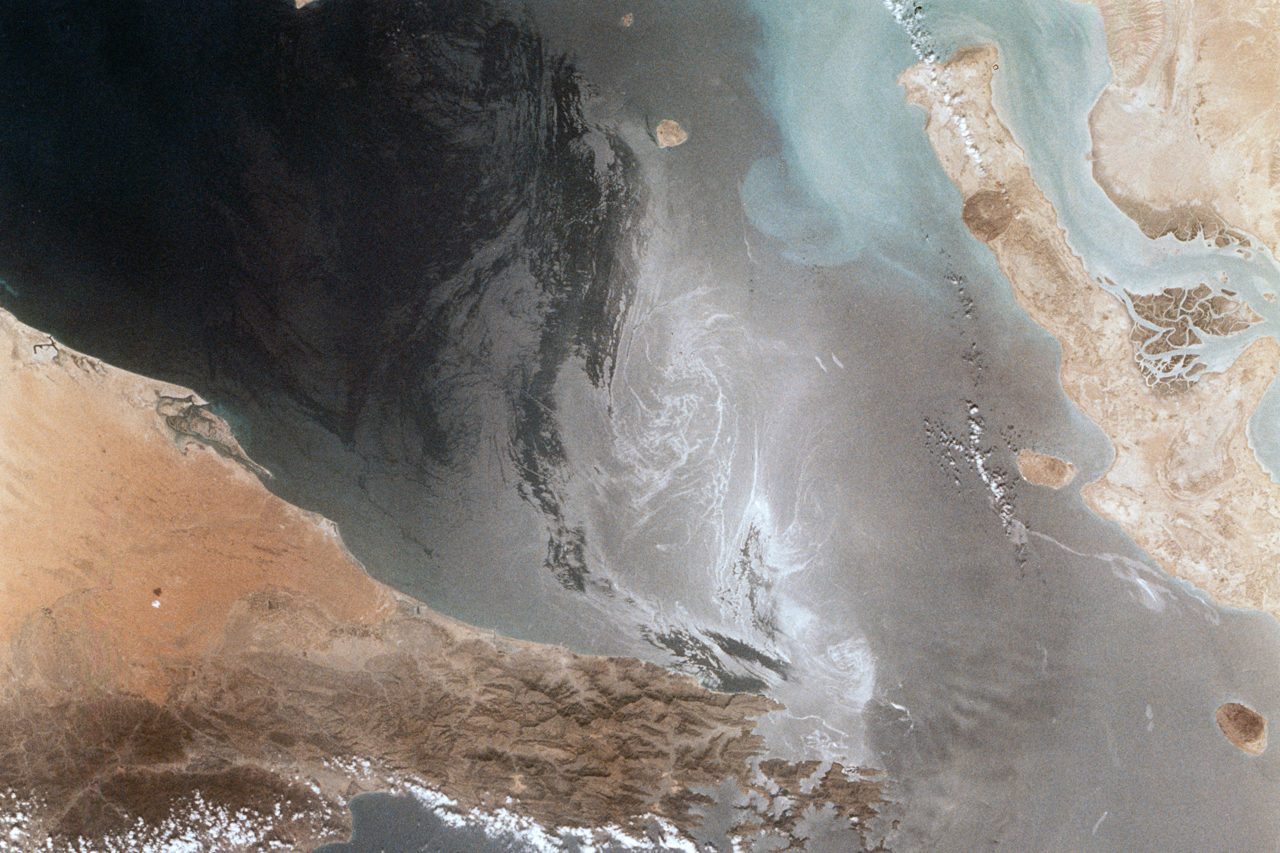
The cause is the West Asia war, which began with US and Israeli strikes on Iran in late February. Attacks on shipping have pushed up freight and insurance as well as the barrel itself. Indian crews have been in the line of fire: on November 16 and 17 the LPG tanker Tara Gas was hit twice off Hormuz and one Indian seafarer is still missing, and on November 18 the crude tanker Navig8 Messi was struck near the Strait, with three Indians aboard safe.
Where does India’s oil come from now?
Russia first, Saudi Arabia second.
Russia supplied about 1.85 million barrels a day, roughly a third of the total in October. Saudi Arabia sent about 790,000 barrels a day, an eight-month high, and moved ahead of the United Arab Emirates, which fell to 612,000, a seven-month low. Over April to October, OPEC’s share of India’s crude was 27.4%, down from 38.5% a year earlier. Refiners such as Reliance Industries, which runs the giant Jamnagar complex, have leaned more on Russian cargoes.
Why does the rupee matter?
Oil is paid for in dollars, so a weaker rupee makes the same barrel cost more at home.
PPAC’s figures put the rupee at ₹95.51 to the dollar in October, against an average of ₹88.31 in 2025-26. The crude bill for April to October was ₹10.49 lakh crore, or $111 billion, which is already about 94% of the whole of last year’s ₹11.15 lakh crore ($125.8 billion). The rupee was near 97 in mid-October, when the Reserve Bank of India began selling dollars to Indian Oil, Hindustan Petroleum and Bharat Petroleum for their daily needs. A bigger bill means more dollars going out each month.
Who pays, and will petrol get cheaper?
For now the oil companies carry much of it, which is why pump prices have not fallen.
Delhi’s petrol stood at ₹102.12 a litre and diesel at ₹95.20 on November 1, according to PPAC. Union minister Suresh Gopi said on November 16 that prices could not be cut yet because oil companies had run up ₹42,000 crore of losses during the conflict. A record month at near-record prices widens that hole. Analysts quoted in reports estimate that a 10% rise in oil adds about $12 billion a year to the import bill, roughly 0.3% of GDP, and that a $10 rise widens the current account deficit by about half a percentage point of GDP. These are estimates, and they move with the price level and the rupee.
Is the worst over?
Prices have eased, but the bill for the year is already large.
Brent settled at $92.57 a barrel on November 20, its third weekly fall and about a fifth lower for the month, as the International Energy Agency says supply is back in surplus and the United States has held off fresh strikes on Iran. A tanker fire near Hormuz on Friday showed how quickly that can change. The next things to watch are PPAC’s full October reckoner, with country-wise detail, and the OPEC+ meeting on November 29, which is expected to set 2027 output levels. If Brent stays near $90, November’s bill should be well below October’s. Figures here are as of November 22, 2026, and will change with each monthly release.
The documents
- PPAC: Import/Export (monthly crude oil import data)Petroleum Planning and Analysis Cell, Ministry of Petroleum and Natural Gas, November 20, 2026