ExplainedInternational law
ICJ's Rohingya genocide ruling explained: what the court found and what it means for India
On November 19 the International Court of Justice held, by 9 votes to 6, that Myanmar committed genocide against the Rohingya. What the judgment orders, what it cannot enforce, and why India's own Rohingya policy is now in question.
The short answer
The International Court of Justice ruled on November 19, 2026, in a case brought by The Gambia, that Myanmar's security forces committed genocide against the Rohingya in 2016 to 2018 and failed to prevent and punish it. The UN described it as the first such finding against a state. The judgment is final and binding on Myanmar, which must report on restitution and compensation within two years, but the court has no way to enforce it. India is not bound by it. India's response on November 20 only said it had taken note and supported the return of displaced Rohingya.
What did the court decide?
It found that Myanmar’s security forces and other state organs committed genocide against the Rohingya, and that the state failed to prevent and punish it.
The International Court of Justice read out its judgment in The Hague on November 19, 2026, in the case The Gambia brought in November 2019 under the Genocide Convention. The vote was 9 judges to 6, and all fifteen wrote separate opinions. The court held that Myanmar committed three of the acts the Convention lists: killing members of the group, causing them serious bodily or mental harm, and imposing measures meant to prevent births.
The court found that the “only reasonable inference” from the evidence was an intent to destroy the Rohingya as a group in substantial part. It rejected the argument that the 2016 to 2018 operations were only counter-insurgency or forced displacement. The UN described it as the first such finding against a state.
What did the court say happened?
It accepted that at least 10,000 Rohingya were killed and that about 700,000 fled to Bangladesh. According to the analysis of the judgment, it also counted at least 1,834 acts of rape and about 326,000 Rohingya whose homes were burned. Those who fled have not been allowed to return.
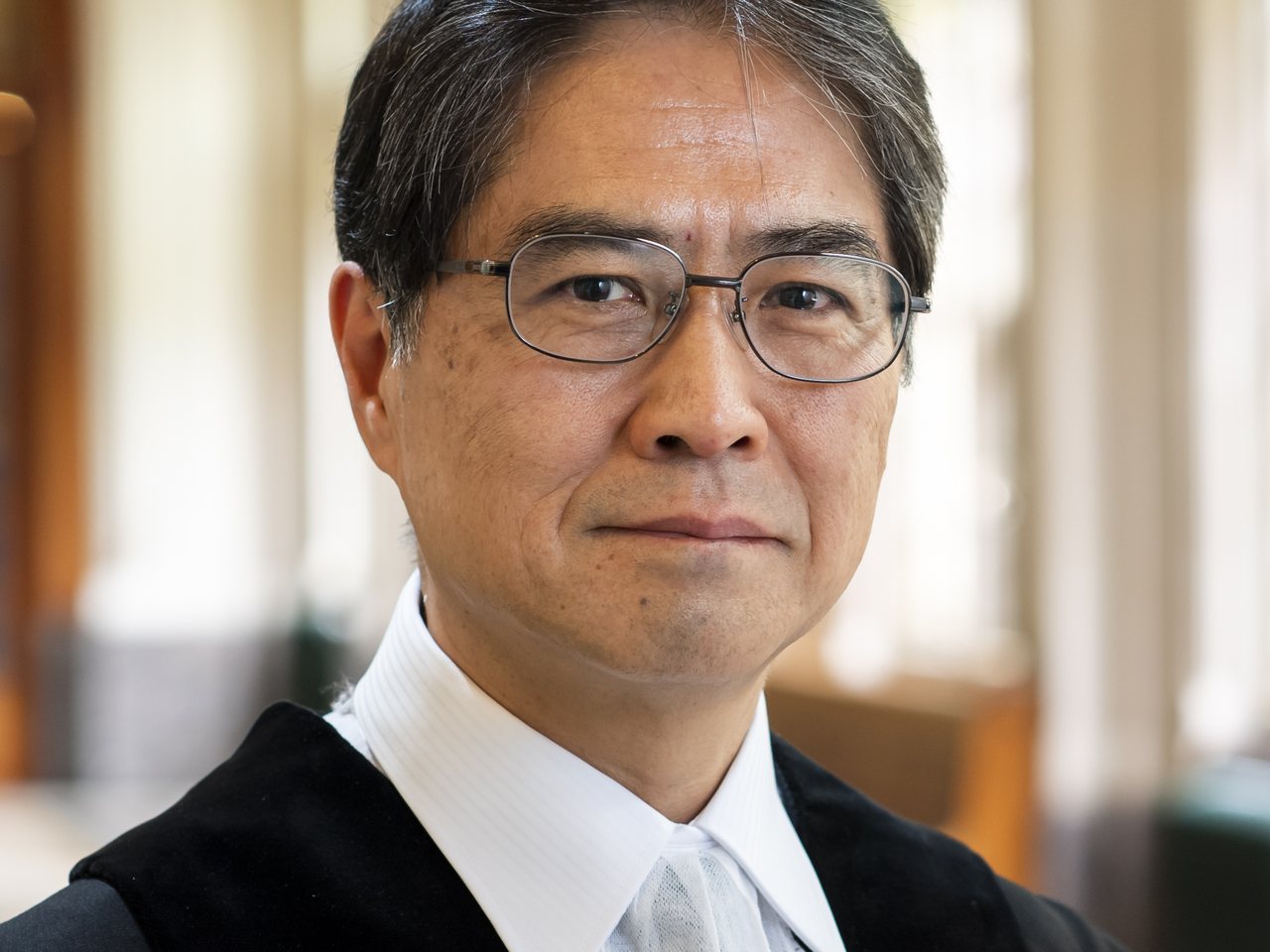
Judge Iwasawa said the killing of infants supports “the inference that Myanmar’s security forces acted with the intent to prevent births among the group.” The court also found Myanmar in breach of its earlier orders to preserve evidence.
What must Myanmar do now?
It must stop the violations, punish the perpetrators and compensate the Rohingya. The orders include passing laws that fully implement the Convention, investigating and, if warranted, prosecuting suspects, giving guarantees that it will not happen again, and allowing a safe, voluntary and dignified return and family reunification for displaced Rohingya, inside Myanmar or abroad.
Myanmar must report to the court within two years, that is by November 2028, on restitution and on how much compensation it will pay. The amount will be set in a later phase. The judgment is final, with no appeal.
How did the case get here?
From the 2017 exodus to the judgment
- August 2017Military clearance operations in northern Rakhine state; about 700,000 Rohingya flee to Bangladesh in the months that follow.
- November 2019The Gambia files its case against Myanmar at the ICJ.
- January 2020The court orders provisional measures to protect the Rohingya and preserve evidence.
- July 2022Myanmar's preliminary objections are rejected and the case goes to the merits.
- January 2026Hearings on the merits, in which Myanmar rejects the allegations as unsubstantiated.
- November 19, 2026The court finds Myanmar committed genocide, by 9 votes to 6.
- November 2028Deadline for Myanmar's report on restitution and compensation.
What does Myanmar say?
Myanmar calls the finding “a great disappointment” and says the operations were not carried out with genocidal intent. In a statement on November 20, its foreign ministry said the standard of proof for genocide must be high, noted that a joint dissenting opinion held the court had departed from its own case law on this, and argued that reports by the UN fact-finding mission and NGOs were “merely second-hand descriptions.”
It described the northern Rakhine operations as a limited response to attacks by the Arakan Rohingya Salvation Army, called the situation “essentially an internal affair” and said it would study the judgment before responding further. Senior General Min Aung Hlaing, who led the military during the crackdown, is now Myanmar’s president.
Can anyone enforce it?
Not directly. The court has no police or army. The Gambia could take non-compliance to the UN Security Council, where China and Russia hold vetoes. The ruling also does not decide the guilt of any individual, which is a matter for criminal courts. UN Secretary-General António Guterres called it a “powerful recognition of the Rohingya victims of genocide.”
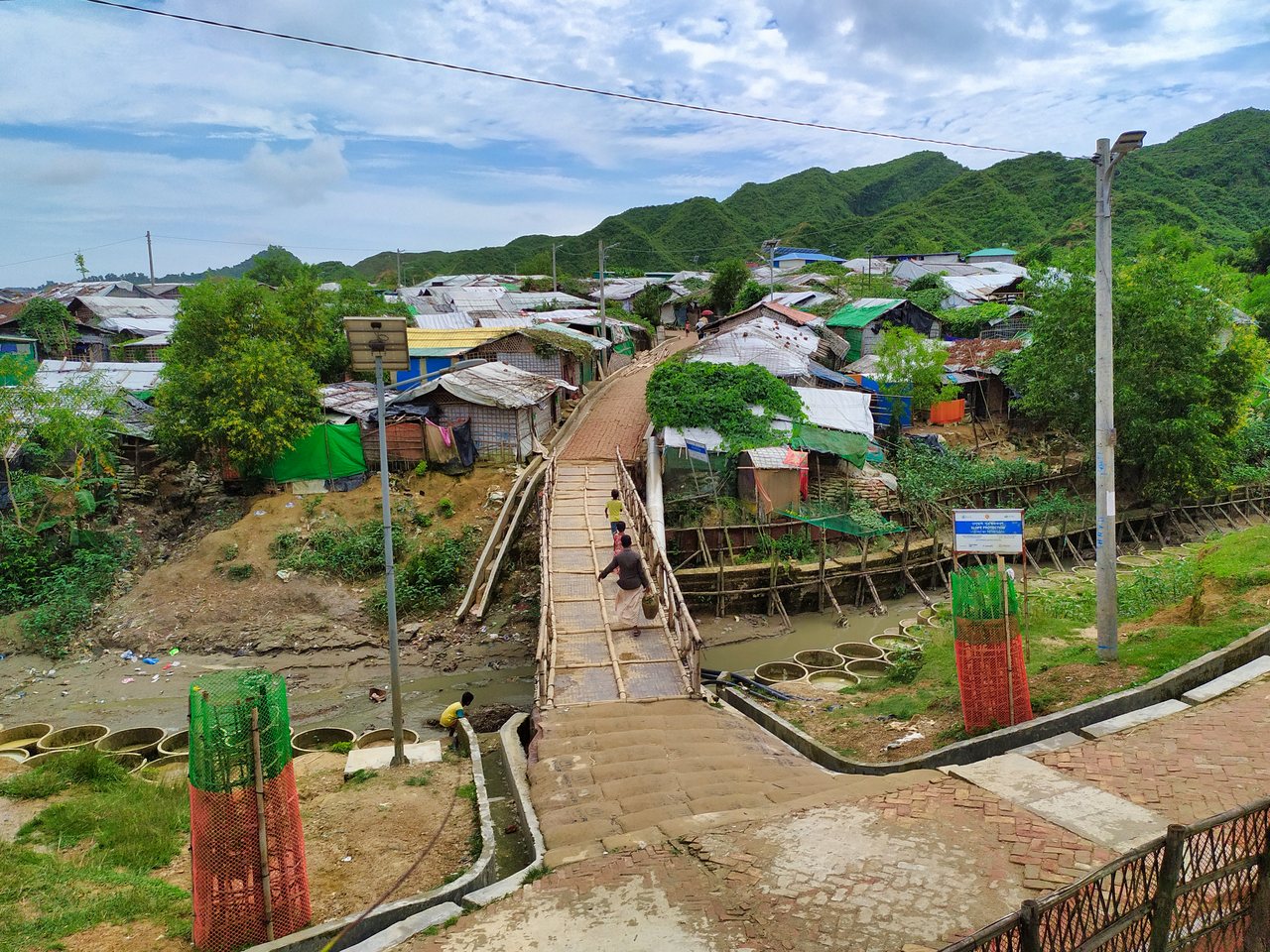
About 1.2 million Rohingya live in camps in Cox’s Bazar, Bangladesh, where aid has shrunk. Myanmar has said it would take back refugees only once security is restored in Rakhine.
What did India say?
It said it had “taken note of the verdict.” Foreign ministry spokesperson Randhir Jaiswal, at the weekly briefing on November 20, added that “India has consistently supported safe, speedy and sustainable return” of displaced Rohingya to Rakhine. Reports on the briefing noted that the response did not use the word genocide. India has also sent relief to the camps in Bangladesh in five consignments under Operation Insaniyat.
Does the judgment bind India?
No, it binds only Myanmar. India ratified the Genocide Convention in 1959, which means it has its own duty to prevent genocide, but the court’s orders are addressed to the two parties.
The practical effect is on policy. The home ministry’s count is about 40,000 Rohingya in India. India is not a party to the 1951 Refugee Convention and treats them as illegal migrants under the Foreigners Act. In Mohammad Salimullah v Union of India in 2021, the Supreme Court declined to release Rohingya held in Jammu and allowed deportation if the prescribed procedure was followed.
What changes for Rohingya in India?
Nothing changes in law today, but the argument against sending people back is stronger. Non-refoulement, the principle that no one is returned to a place where their life or freedom is at risk, is widely held to be customary international law, though some governments dispute it. Petitioners can now point to a final finding that the state they would be returned to committed genocide against their group. How the Supreme Court treats such petitions, given its earlier deference to the government, is still open. This is as of November 2026.
The documents
- World's top court finds Myanmar guilty of genocide against RohingyaUN News, November 19, 2026
- Press Statement by the Ministry of Foreign Affairs of Myanmar on the Judgment of the International Court of Justice delivered on 19 November 2026Ministry of Foreign Affairs of Myanmar, November 20, 2026
- Summary of the Judgment of 19 November 2026 (The Gambia v. Myanmar)International Court of Justice, November 19, 2026