Key points
- The Department of Telecommunications told internet providers to block 129 betting websites on two High Court orders that the courts say they never passed.
- The Allahabad High Court filed a complaint on November 6; Uttar Pradesh police opened a forgery and cheating case against unknown persons and sent the ministry 24 questions.
- A ministry inquiry is reviewing its checks and, according to reports, plans to revoke the directions, but both orders were still on its website on Thursday.
India’s telecoms department told internet providers this year to block 129 betting websites on the strength of two High Court orders that the courts say they never issued, according to reports published from November 11. The Department of Telecommunications (DoT) acted on emailed copies sent by people posing as lawyers, one in the name of the Rajasthan High Court and one in the name of the Allahabad High Court. The ministry has started an inquiry, and Uttar Pradesh police have registered a criminal case.
The primary documents, the blocking directions and the two purported orders, sit on the department’s own website and could not be opened for this report, which therefore rests on independent published accounts of them. The DoT did not respond to queries and no minister has commented in the reports we found, so this report carries no statement from the government on the record.
The two orders
The first reached the department on July 19 by email at 8:59 pm, signed by a person named Aryan Chaudhary who described himself as an advocate-on-record. A reply sent to that address by journalists bounced. The order cited the IT Act provision on national security and asked for compliance within 24 hours. Two days later, on July 21, the DoT told providers to block 34 websites. The Rajasthan High Court’s registrar has said the order “appears to be fraudulent” and is not on the court’s server.
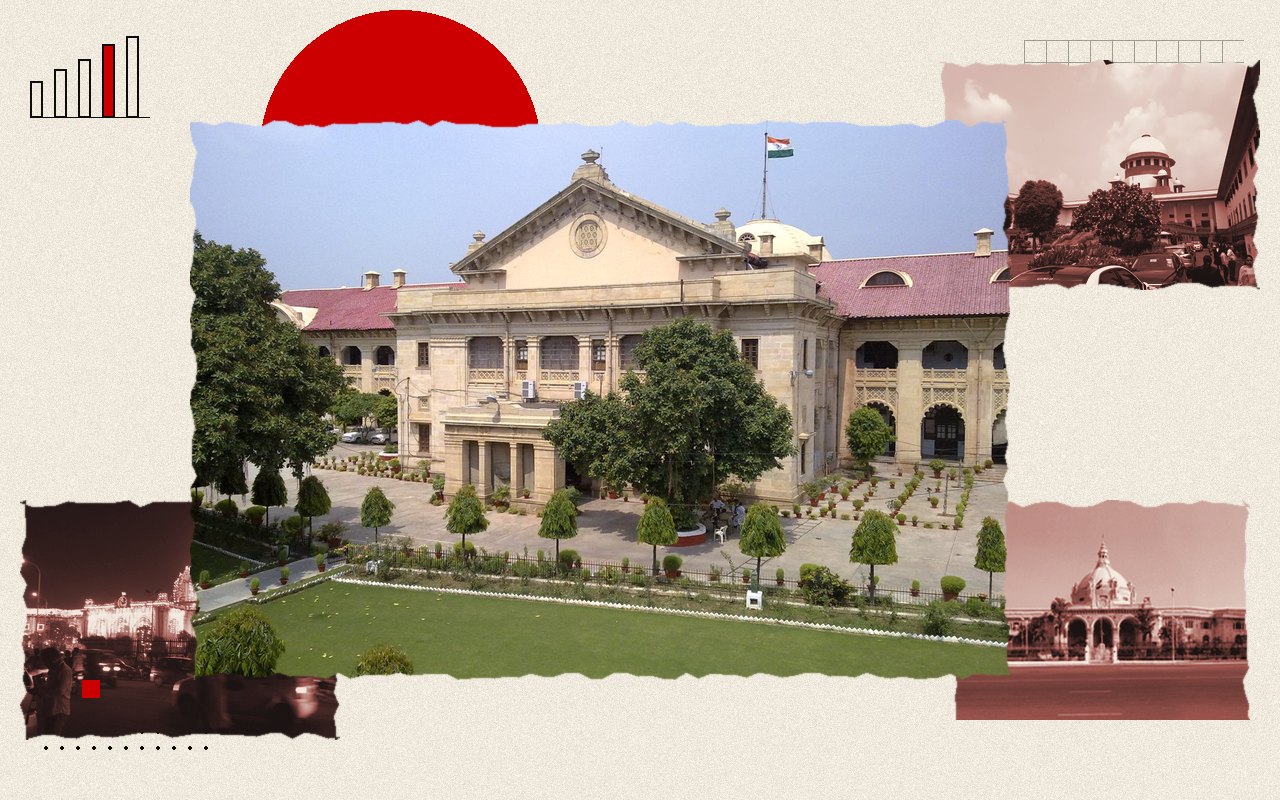
The second order is dated August 14, carries the name of Justice Garima Prashad of the Allahabad High Court, and was sent to DoT officials on August 22 by a person named Kartikey Pandey. It is described as an ex-parte, ad-interim “dynamic injunction” against sites streaming IPL matches illegally and running betting. The QR code printed on it led to an unrelated web page showing a case number, which is the number Pandey cited. On September 2, the DoT told providers to block 95 websites and copied Pandey on its letter, calling him a “Senior Advocate”. Justice Prashad’s office told police that “no such order has been passed by Her Ladyship”.
How the blocks happened
- July 19, 2026Purported Rajasthan High Court order emailed to the DoT at 8:59 pm
- July 21, 2026DoT directs providers to block 34 sites
- August 14, 2026Date on the purported Allahabad High Court order; emailed to the DoT on August 22
- September 2, 2026DoT directs providers to block 95 sites
- November 6, 2026Allahabad High Court files a police complaint
- November 11, 2026Reports reveal the blocks; both orders still on the DoT website
The police case
The Allahabad High Court checked its records, found no such order and filed a complaint on November 6. Police registered a case of forgery and cheating against unknown persons. The document, police say, had a fabricated court logo and seal and a QR code that did not belong to the court. Ghanshyam Yadav, a senior cybercrime official in Uttar Pradesh, said of the order: “It is fake. It is not a genuine order from High Court of Allahabad.”
Police have asked the ministry for details of its content management system and its digital logs, and have sent it 24 questions. Yadav said the ministry’s answers will decide the next steps. No arrests had been reported when these accounts were published, and nobody has established who created the orders or how, or whether artificial intelligence was used.
What the ministry is doing
According to reports citing an official who was not named, the ministry has launched an inquiry into how the blocks happened, will review its procedures and is considering extra checks before acting on court orders that seek takedowns. It is also trying to identify who sent the forged documents from the email addresses used, and plans to revoke the blocking directions and take the related papers off its website. As of Thursday, November 12, the correspondence and copies of both orders were still online.
The official described the matter as serious and warned: “Maybe in future some genuine websites may also be blocked in the same manner.”
Reactions
Opposition politician Saket Gokhale asked on X why the ministry did not even verify the order, calling the episode “beyond scary”. Digital rights commentators have asked a wider question: who is responsible when a ministry forwards a document that turns out to be fake. One report adds that the Indian Cybercrime Coordination Centre, which runs the Sahyog portal for takedown requests, describes its own role as “limited to facilitation”, and that the commentator Nikhil Pahwa argues the ministry cannot act as a courier for documents it has not checked.
How we got here
Blocking has been a running dispute this autumn. In October the Kerala High Court asked the Centre, Apple and Google to explain why the BitChat messaging app was taken down, and we argued that blocking orders should not stay secret. The reports note that X recently told the Delhi High Court that takedown notices aimed at two free-speech groups came from an impostor posing as Delhi Police, and that the Supreme Court struck down a tribunal ruling in July that relied on judgments that do not exist.
Why it matters
For readers the immediate effect is limited: the 129 sites were illegal betting platforms, and no report says a lawful site was blocked. The risk the official describes is the next one. A department that blocks on an emailed PDF, without checking the court’s own records, can be used by anyone able to forge a letterhead to cut off a lawful website, an app or an account, and the people affected learn of it only afterwards. Betting platforms that were blocked on a false order may also have grounds to challenge the directions.
What happens next
The next steps are the ministry’s replies to the 24 police questions, the revocation of the two directions and the removal of the documents from its website, all of which are still pending. Whether the ministry also adopts a new check, such as confirming every court order with the registry concerned before it acts, will come out of the inquiry; no date has been given. We will update this report when the department or the minister responds.