OpinionOur view
Easing the rules for long-settled refugees is right. Exemption orders are no substitute for a refugee law
The Home Ministry has again widened the list of foreigners who may live in India without valid passports, from persecuted minorities to Sri Lankan Tamils and Tibetans. The relief is real, but it is granted by notification, sorted by faith and nationality, and leads nowhere for people who have been here for decades.
The Union Home Ministry has done something humane, and done it quietly. A gazette notification made public on Thursday, the Immigration and Foreigners (Exemption) (Amendment) Order, 2026, adds to the list of foreigners who may stay in India without a valid passport or visa without breaking the law.
The list began with an order of September 1, 2025, issued under the new Immigration and Foreigners Act, which replaced four colonial-era laws and set penalties of up to five years in prison and a ₹5 lakh fine for entering without valid papers. That order spared Hindus, Sikhs, Buddhists, Jains, Parsis and Christians from Afghanistan, Bangladesh and Pakistan who arrived on or before December 31, 2024, registered Sri Lankan Tamils who took shelter here up to January 9, 2015, and Tibetans. Among the additions now are some Pakistani nationals who came by 2009 and cannot renew their passports, and people of Indian origin stranded on expired Malaysian or Singaporean passports.
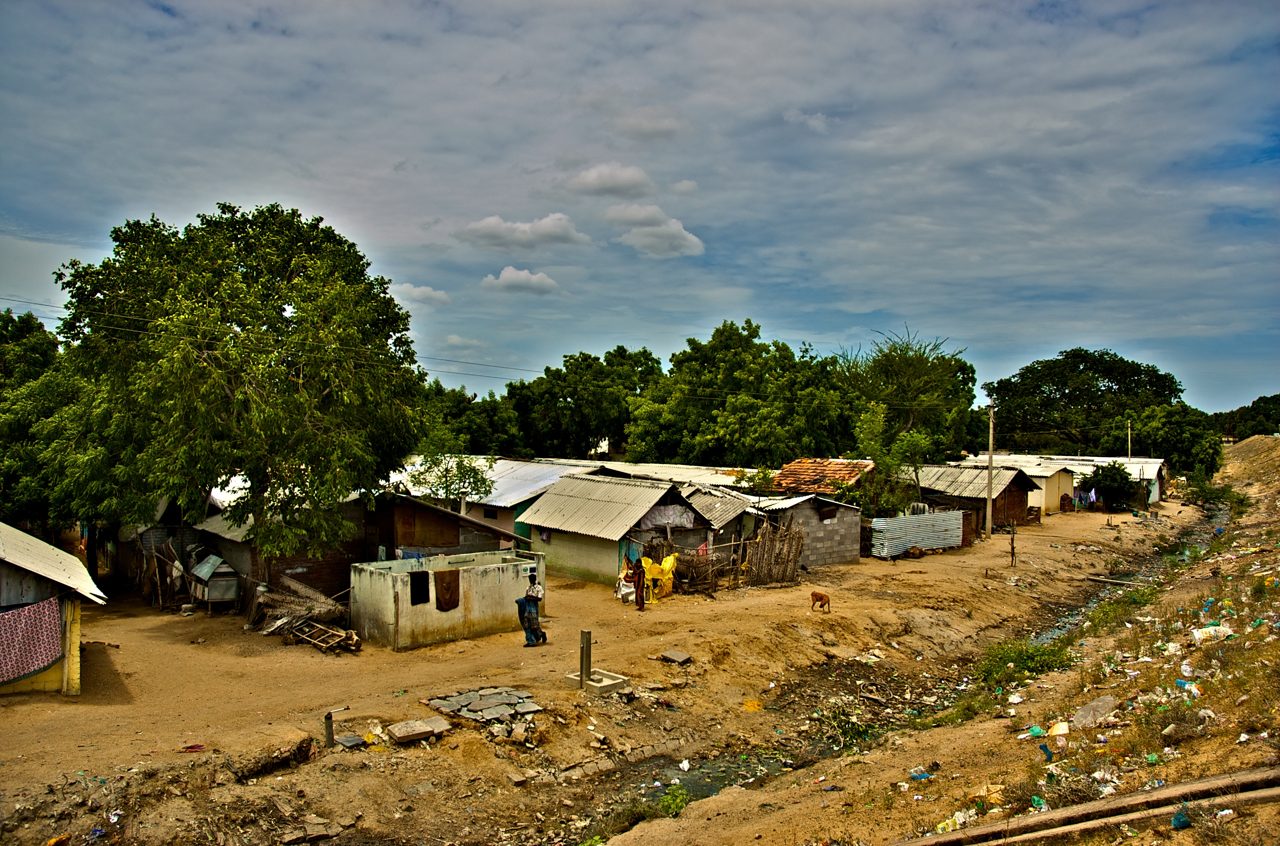
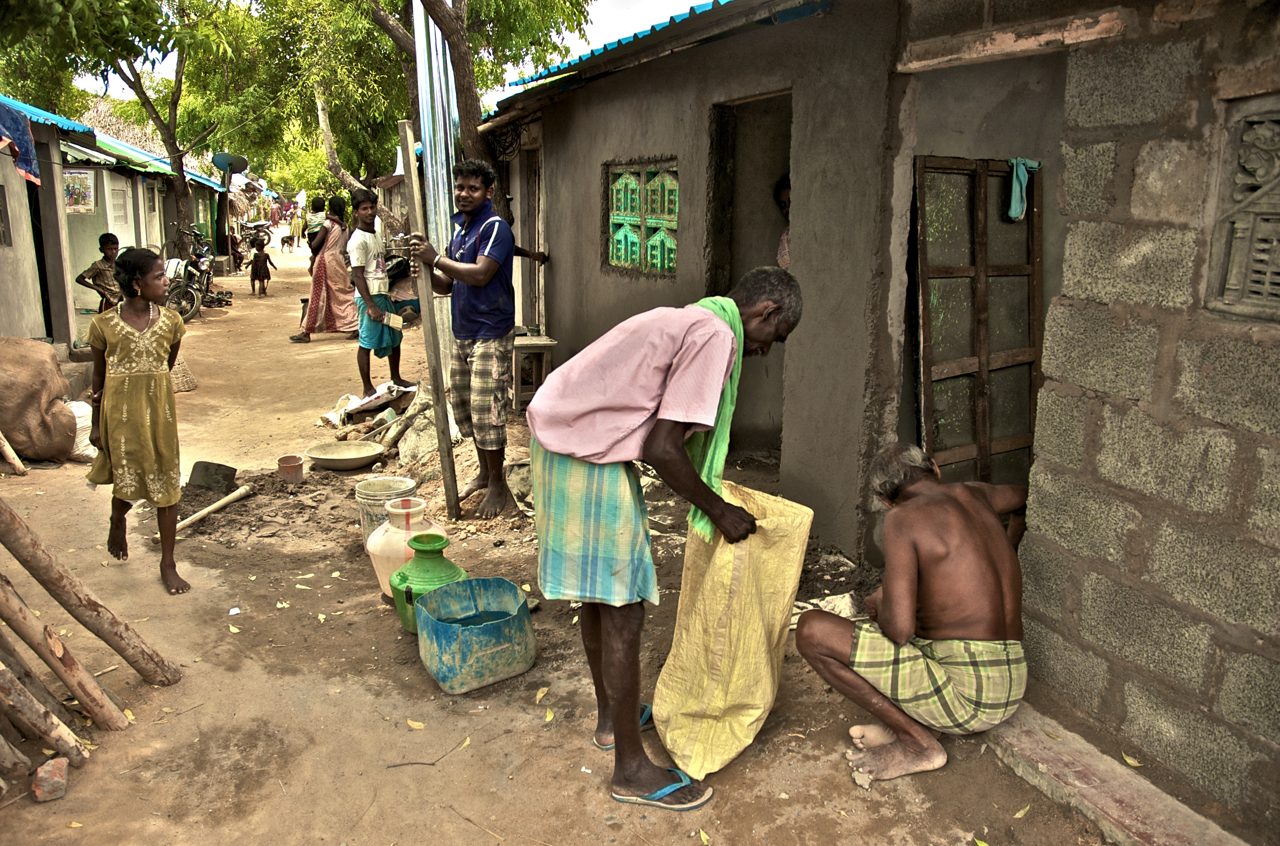
For the people concerned, this matters. A family that has lived in a Tamil Nadu camp for thirty years should not live in fear of a prison term because a document it never had is missing.
Relief without a future
But look at what the order does not do. It removes the penalty. It grants no status. Persecuted minorities must still obtain a visa to go on living here. Sri Lankan Tamils are not recognised as refugees, are left out of the Citizenship Amendment Act’s fast track, and remain foreigners.
There are more than 57,000 of them in camps in Tamil Nadu and Odisha, according to the Home Ministry’s own annual report, and nearly 33,000 more living outside the camps in Tamil Nadu. Many of their children were born in India. In October 2022, Justice G.R. Swaminathan of the Madras High Court called Sri Lankan Hindu Tamils “victims of racism” and suggested the logic of the citizenship law should extend to them. Four years on, they are exempt from prosecution and nothing more.
The order also sorts people by faith and passport. A persecuted Hindu from Bangladesh qualifies; a Rohingya Muslim from Myanmar or an Ahmadi from Pakistan, fleeing persecution just as real, does not. Sri Lankan Tamils who came after 2015 fall outside the line. The cut-off dates themselves are set by notification and can be moved, or withdrawn, the same way.
The fair objection
The government will say, with some reason, that India is not a party to the 1951 Refugee Convention, that its borders are long and porous, and that it must keep the right to decide who stays. Security screening matters, and the order rightly asks for clean police reports in some categories.
None of that argues against a law. A law would let Parliament, not a gazette notice, decide who qualifies as a refugee, on what evidence, and with what safeguards for national security. It would also be harder to undo on a whim.
What should follow
First, the Centre should bring a national asylum law with faith-neutral tests: a well-founded fear of persecution, screened case by case, and a clear process for appeal.
Second, Sri Lankan Tamils who have lived here for decades should be made eligible for long-term visas and then for naturalisation as citizens, as Tibetans have been given identity papers of their own. Children born in the camps should not inherit their parents’ limbo.
Third, every exemption should come with a simple document that a police officer, a bank and a school will accept, so that relief on paper becomes relief at the counter.
The Home Ministry has shown it knows that long-settled people deserve protection. It should now write that protection into law, for everyone who needs it.
The reporting behind this view
- 57,000+Sri Lankan Tamils in refugee camps in Tamil Nadu and Odisha (MHA Annual Report 2023-24)
- Dec 31, 2024arrival cut-off for six persecuted minorities from three neighbours
- 5 yearsmaximum prison term under the 2025 Act for entering without valid papers