CourtsSupreme Court
Supreme Court refuses to stay Sukesh Chandrashekhar's conviction for posing as SC judge
Justices JB Pardiwala and Manmohan found no error in the Delhi High Court's order, leaving in place the conman's conviction for impersonating a Supreme Court judge and his secretary.
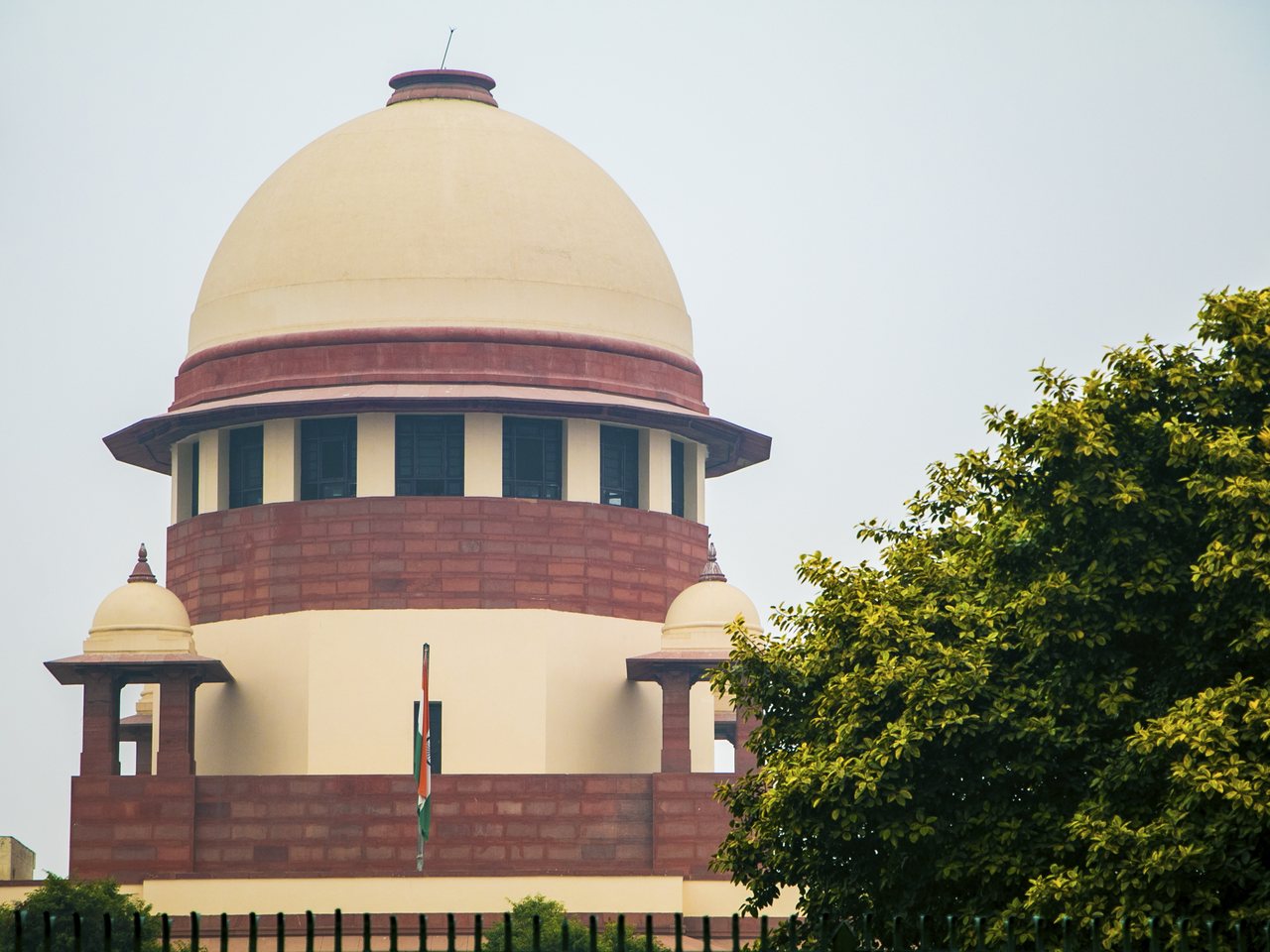
Key points
- The Supreme Court dismissed Sukesh Chandrashekhar's plea to stay his conviction and sentence.
- He was convicted on 20 August for impersonating a Supreme Court judge and the judge's secretary.
- His lawyer said he faces 31 other criminal cases, none ending in conviction so far.
The Supreme Court on Monday refused to stay the conviction of conman Sukesh Chandrashekhar, who was found guilty of impersonating a Supreme Court judge and the judge’s private secretary to pressure a judicial officer hearing his case.
A bench of Justices JB Pardiwala and Manmohan dismissed his plea against a Delhi High Court order, finding no error in it, “not to speak of any error of law”. The bench said the other criminal trials he faces should go ahead on their own merits and in accordance with law.
Chandrashekhar was accused of using a constable’s phone while in police custody in a 2017 corruption case to call the judicial officer presiding over that case, first posing as the judge’s secretary and then as the judge himself. A Chief Judicial Magistrate convicted him on 20 August under Indian Penal Code sections for personating a public servant, threatening injury to a public servant and criminal intimidation by anonymous communication. He was sentenced on 29 August.
He sought a stay of the conviction and sentence first from an Additional Sessions Judge and then from the Delhi High Court. Both turned him down. The High Court said the trial court’s strong remarks about his conduct were for the appellate court to examine.
Why he wanted a stay
Justice Pardiwala asked why a stay was needed at all. Senior advocate Shoeb Alam, for Chandrashekhar, said his client faces 31 pending criminal cases, none of which has ended in a conviction, and that the trial court’s remarks would prejudice those trials. He argued they could be treated as evidence of bad character under Section 41 of the new evidence law.
The trial court had called the impersonation of a Supreme Court judge “an act of institutional defiance”, not a crime of greed, and said Chandrashekhar “operated under the dangerous belief” that the rule of law would bow to a sufficiently audacious lie. With the stay refused, it is for the appellate court to weigh those remarks.