StatesHimachal Pradesh
Himachal to get 11,973 million units of BBMB power over 20 years after Supreme Court win, Sukhu says fight goes on
The court settled a dispute that began in 1996 by ordering arrears to be paid in electricity, not cash. Advocate General Anup Kumar Rattan called it a Diwali gift; the BJP says the credit belongs to every government that fought the case.
Key points
- Punjab and Haryana must supply Himachal 11,973 million units of power from BBMB projects over 20 years.
- The state's Advocate General puts the gain at ₹600 crore to ₹800 crore a year.
- Chief Minister Sukhu says he will now press for water cess and the Shanan project.
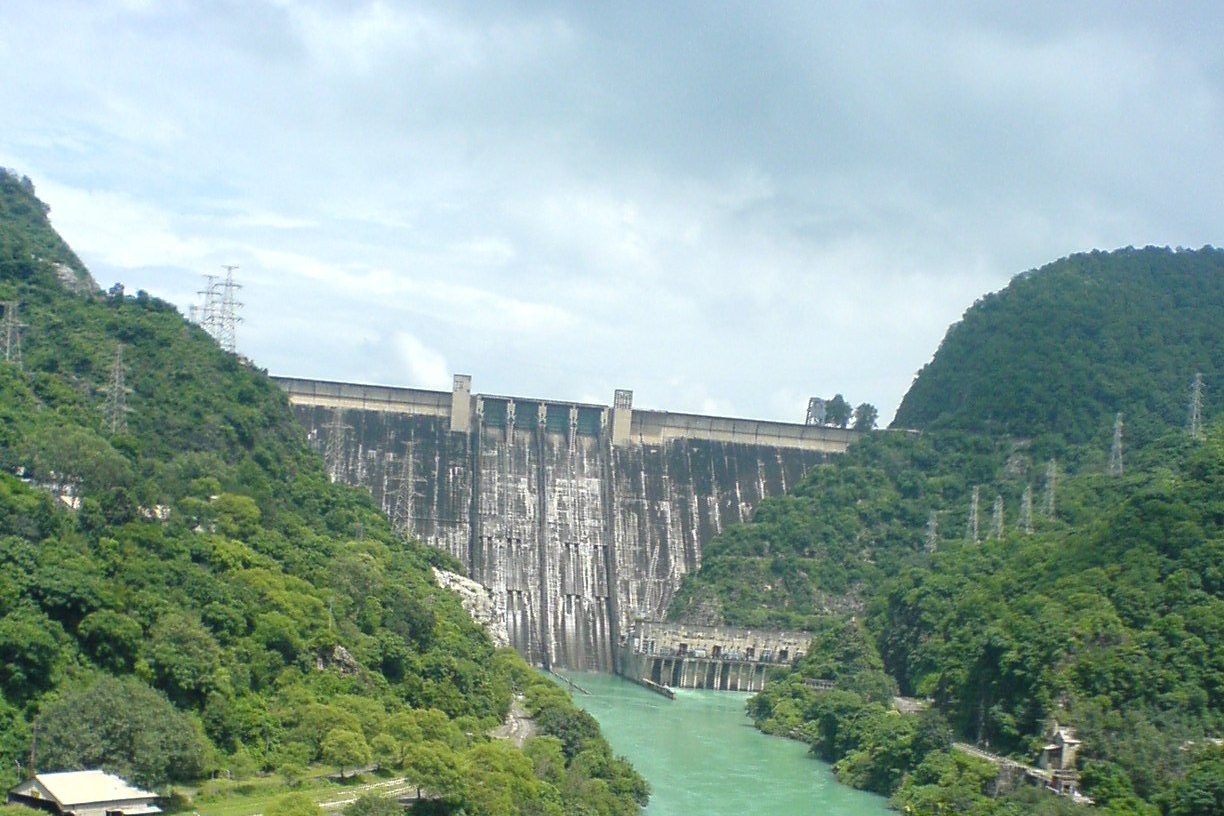
Himachal Pradesh will receive 11,973 million units of electricity from the Bhakra Beas Management Board’s projects over the next 20 years, after the Supreme Court settled a dispute the hill state first took to the court in 1996. The state’s Advocate General, Anup Kumar Rattan, called the ruling a “Diwali gift” to Himachal at a press conference in Shimla on Friday evening.
A bench of Chief Justice Surya Kant and Justices Joymalya Bagchi and V Mohana approved a cashless settlement: instead of paying Himachal decades of arrears in money, Punjab and Haryana will hand over power from the BBMB’s dams. Punjab had asked for the units to be spread over 30 years, Himachal wanted 10 and the Attorney General had proposed 15. The court settled on 20 years.
What the state expects to earn
Rattan put the value of the settlement at ₹600 crore to ₹800 crore a year, assuming an average price of ₹10 a unit, or about ₹15,000 crore over two decades. He said the power will be drawn between October and March, when prices are usually higher, so that the state can sell its surplus at better rates.
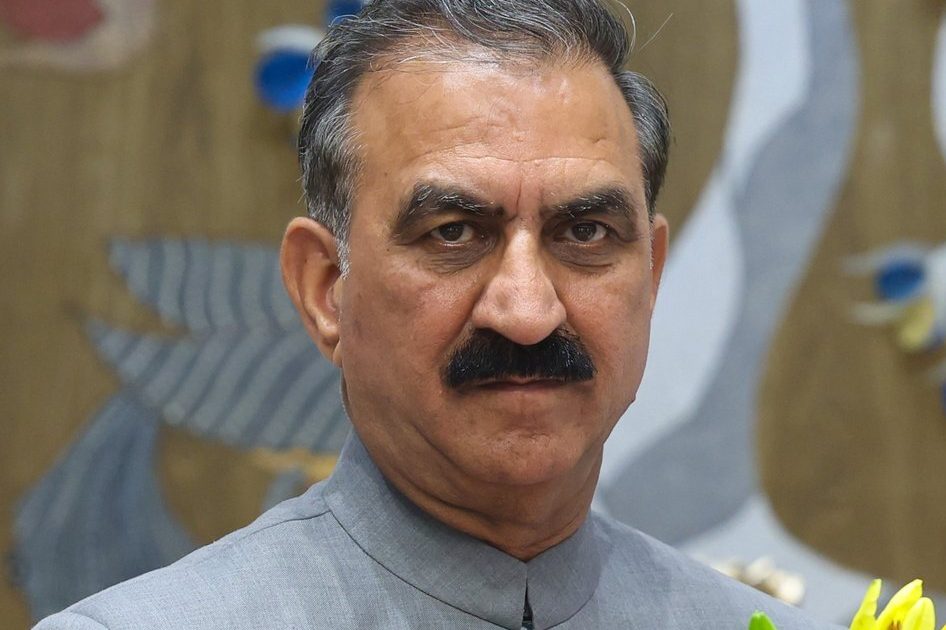
It was Chief Minister Sukhvinder Singh Sukhu, Rattan said, who decided the state should take electricity rather than cash, given rising demand for power and market rates. Haryana had agreed with the Attorney General’s note before the court, while Punjab opposed the claim until the final stage; the bench did not accept its objections.
Speaking to reporters in Chamba earlier in the day, Sukhu said: “This is not my individual win but the victory of the people of Himachal.” He estimated the state could earn almost ₹500 crore a year at ₹6 a unit, and pointed out that Himachal is currently selling power to Rajasthan at ₹15.50 a unit, to Kerala at ₹14.50 and to Tamil Nadu at ₹13.50.
He made clear he does not see the case as the end of the matter. “Our fight is not over yet as we will now step up efforts on the legal front,” he said, naming a water cess on hydropower and the return of the Shanan hydel project at Jogindernagar in Mandi, which Punjab runs.
How the dispute began
Himachal’s claim rests on the Punjab Reorganisation Act, 1966, which made it a successor state. In September 2011 the Supreme Court fixed its share in BBMB projects at 7.19%, payable from November 1966 for Bhakra and from the late 1970s for the Dehar and Pong projects. Punjab and Haryana never paid the arrears. At a hearing in July, the court told Punjab that its decree had to be followed, and the Centre proposed settling in power units.
BJP: credit belongs to every government
The opposition BJP welcomed the ruling but objected to the Chief Minister taking credit. Party spokesperson and MLA Randhir Sharma told reporters in Shimla that governments of all parties had pursued the case since 1996, and recalled that Shanta Kumar’s BJP government had secured 12% free power for the state. He said a full assessment would need a close reading of the complete order.
For a state with few sources of revenue beyond its rivers, the court itself noted in July that Himachal had less to fall back on than its neighbours. Rattan said the ruling should give the state a steady stream of revenue for years to come.