Key points
- Russian, Ukrainian and US negotiators met in Abu Dhabi on November 10 for nearly four hours, the first such round since February.
- Kushner said the sides had "narrowed the gaps", and a senior Ukrainian official said a large-scale prisoner swap was discussed, with details due "in the coming days".
- A second session is scheduled for Wednesday, November 11; Russia rejects a ceasefire and Ukraine rejects ceding territory.
Negotiators from Russia, Ukraine and the United States met in Abu Dhabi on Tuesday, November 10, for nearly four hours of talks, the first such round since February. US envoys Jared Kushner and Steve Witkoff brokered the session, and a second is scheduled for today, Wednesday, November 11.
No breakthrough came out of day one. Kushner said recent contacts had “really identified, narrowed the gaps”, but the main differences on any final deal remain wide. US Secretary of State Marco Rubio called the talks “very productive” and cautioned that a settlement is not imminent. Ukrainian President Volodymyr Zelenskyy, who was not in the room, called the session “constructive and quite substantive”.
Who was in the room
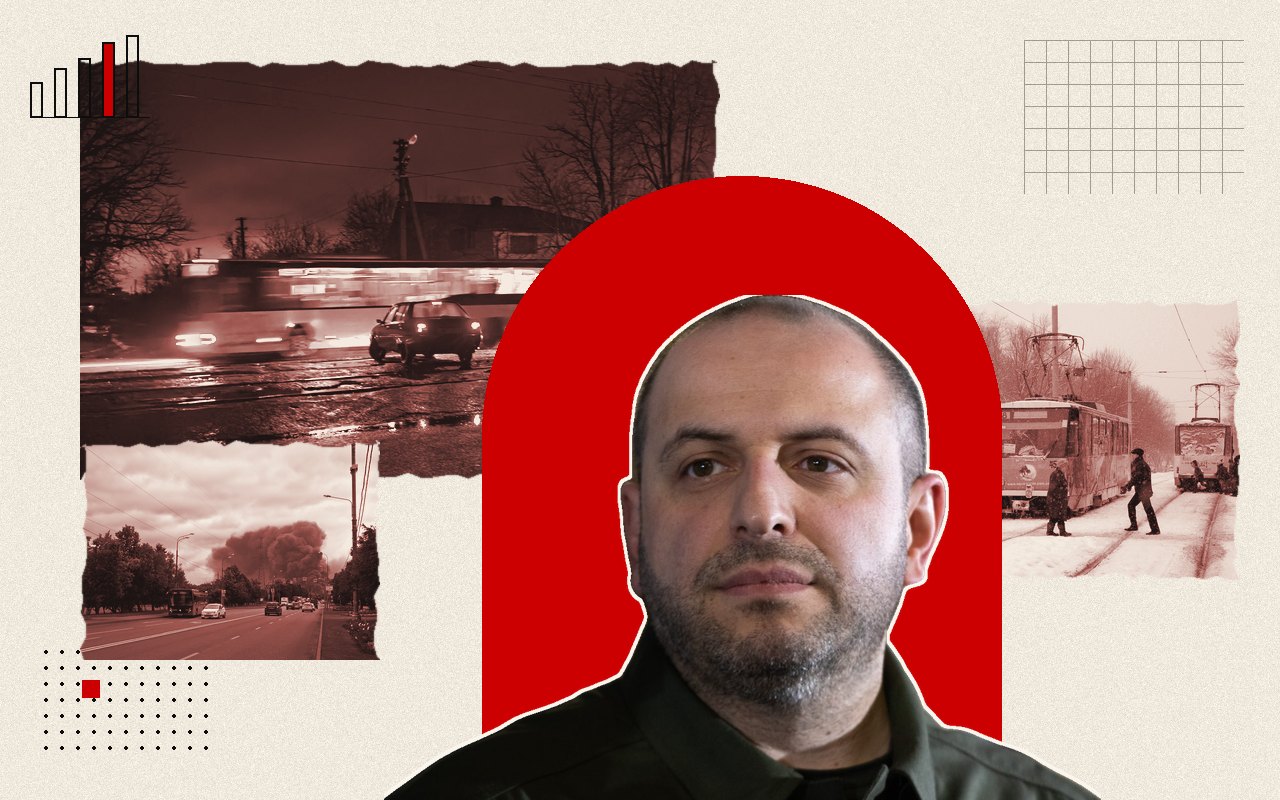
Ukraine’s delegation is led by Rustem Umerov, who said “our people are waiting to end this war”. Russia’s is led by Vladimir Medinsky, who said his team “has become bigger and more professional”. NATO’s military commander, General Alexus Grynkewich, was present and cited “some great progress” in military-to-military dialogue.
Earlier on Tuesday, Ukraine’s team met the US envoys and representatives of Britain, France, Germany, Italy, NATO and the European Commission. Russia objects to Europeans sitting in the three-way format, though it says EU representatives could join later.
What was discussed
The White House said the talks would centre on future security guarantees. Humanitarian questions also came up, including prisoner exchanges, the return of civilians held in captivity and children taken from Ukraine. A senior Ukrainian official said a large-scale prisoner swap was discussed, with details to follow “in the coming days”.
Kushner said the aim is to “create a new framework and a new understanding building upon the different institutions and understandings of the past”, adding that there are “some good ideas how to bridge” the differences. A US official was reported to have described a proposal under which each side would cede a little territory, with Ukraine getting an end to the war, security guarantees and a roadmap to EU membership. A senior Ukrainian official denied any territorial concessions, saying land can be discussed only by leaders and only with proper guarantees.
Where the sides stand
Russian President Vladimir Putin wants Ukraine to withdraw from the four regions Moscow claimed in September 2022 but has not fully captured. He also demands that Ukraine drop its NATO bid, accept strict limits on its military and ease restrictions on the Russian language and the Moscow-linked Orthodox Church. He rejects a general halt in fighting, and Russian Foreign Minister Sergei Lavrov again ruled out a truce.
Zelenskyy refuses to give up territory or accept limits on his army or Western security ties. Kyiv says an immediate ceasefire must come first and that only a direct meeting of the two presidents can settle land questions, an idea Putin has rejected. The format follows earlier talk of three-way negotiations.
Moscow wants a wider European security framework settled before the specifics of the Ukraine war. Trump said last week that a “big agreement” on European security is in the works that “is going to involve more than Ukraine”. Lavrov welcomed that approach, and Kushner said a lasting settlement needs direct Russia-Europe engagement. Some in the EU see Washington’s ideas as too generous to Moscow, and European Commission President Ursula von der Leyen has argued wider security talks should follow a ceasefire.
Scepticism and the battlefield
German Chancellor Friedrich Merz said he does not have “overly high expectations”. Three earlier rounds this year produced no significant breakthroughs.
The fighting did not pause. Ukraine’s air force said Russia launched 162 drones and one ballistic missile overnight, while Russia’s Defence Ministry said it shot down 155 Ukrainian drones over eight Russian regions and Crimea. Russia holds about a fifth of Ukraine, more than four and a half years after its full-scale invasion, and its advances have nearly stalled this year.
Why it matters
A deal would affect energy and food markets that India and other importers follow closely. Oil traders noted on Tuesday that a settlement could let Russia export more crude, which would add to the downward pressure on prices already building from the US stance on Iran.
What happens next
The second session in Abu Dhabi is due today. Details of the prisoner exchange are expected in the coming days, and Rubio has said the aim is eventually to widen the talks to include Europe. No date has been announced for a further round.