The short answer
Under the Biological Diversity Act, a company that uses India's plants or animals commercially must share part of what it earns, usually 0.2% to 0.6% of its sales, so that the money reaches the areas the resources come from. On November 27, 2026, the National Biodiversity Authority said it had released ₹13.76 crore to 28 states and 4 Union Territories, part of what Ayush manufacturers paid for using 234 plant species. Because the plants were bought through traders and the villages could not be traced, it shared the money by forest cover and where the plants grow, with Maharashtra getting the most.
What did the National Biodiversity Authority announce?
It has released ₹13.76 crore to 28 states and 4 Union Territories, part of the money paid by companies that make Ayush products. The National Biodiversity Authority (NBA), the statutory body under the Union environment ministry, said on November 27, 2026 that the payments came under three applications covering the commercial use of 234 plant species.
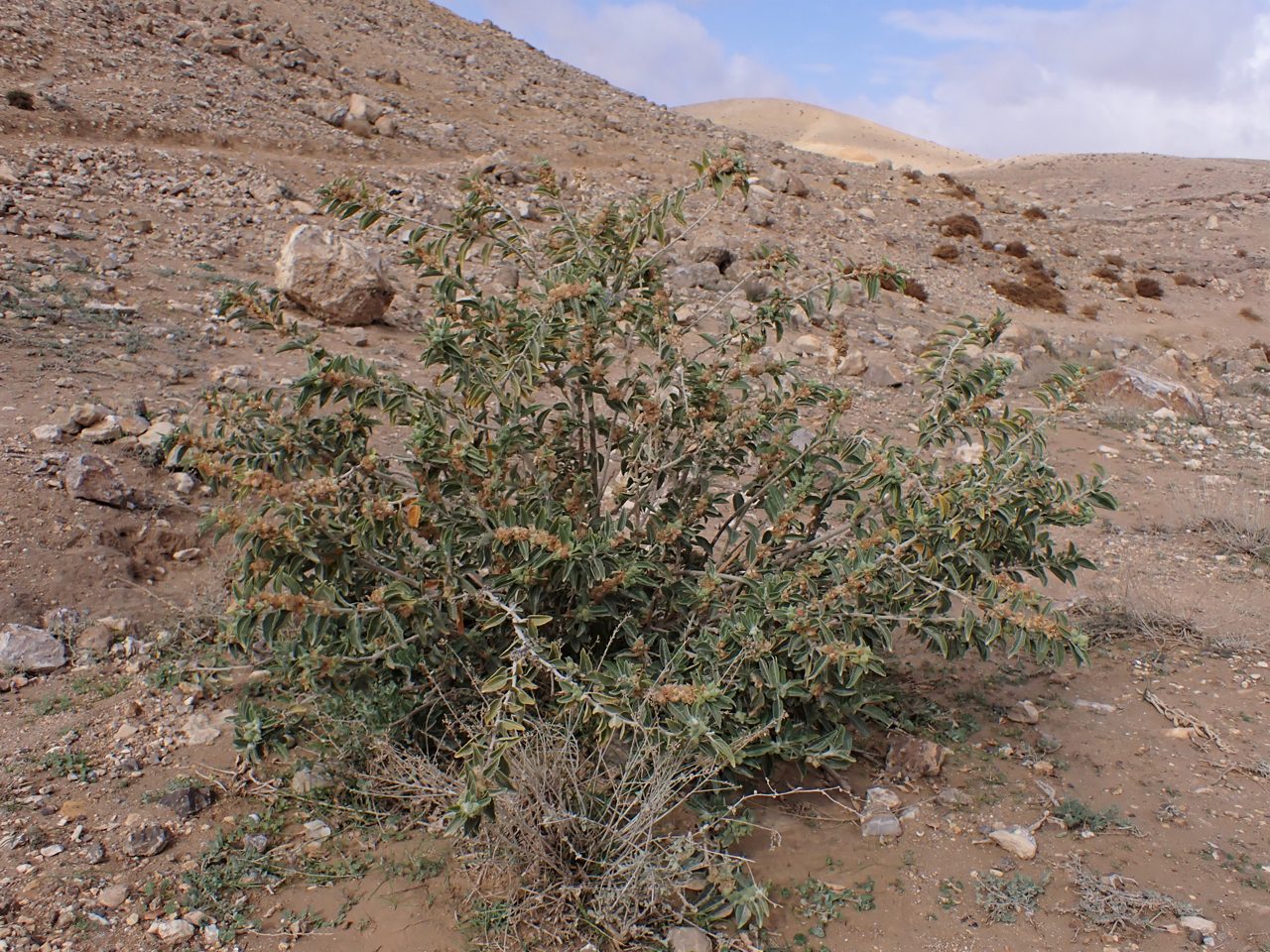
Ten of those species account for ₹6.45 crore, almost half the total: guggul, ashwagandha, bhringraj, punarnava, sarpagandha, kalmegh, black pepper, amla, gokhru and shalparni. These are staples of Ayurvedic medicine, and most of them are gathered from forests.
What is access and benefit sharing?
It is the rule that whoever profits from India’s biological resources must share some of the gain with the people and places that conserved them. The Biological Diversity Act of 2002 brought in the idea, following the international Convention on Biological Diversity. A company that wants to use a plant, animal or microbe, or the traditional knowledge around it, for commercial purposes must tell or seek approval from the biodiversity authorities and agree to share benefits.
The 2023 amendment changed the Act’s wording to “fair and equitable sharing of benefits” and defined who can claim them: the conservers of biological resources and the creators or holders of the traditional knowledge linked to them.
How much does a company pay?
For most commercial use, between nothing and 0.6% of what it sells. The NBA’s 2025 regulations, notified on April 29, 2025, link the payment to the company’s annual turnover and charge it on the “annual gross ex-factory sale price” of the product, excluding taxes.
Resources with high conservation or economic value, such as red sanders, sandalwood and agarwood, and threatened species cost more: an upfront payment of at least 5% of the auction or sale amount, and a benefit-sharing rate 20% higher than the table. Any company with turnover above ₹1 crore must file an annual statement of the biological resources it consumed.
Why was the money shared by forest cover and not with villages?
Because the plants were bought through markets and traders, so the NBA could not trace the people who collected them. The release says this made it hard to identify individual benefit claimers in the supply chain. Since most of the plants come from forests, the NBA divided the money according to each state’s forest cover and the availability of the plants there.
The NBA has done this before: an earlier round from four vegetable crops was shared by each state’s area under cultivation. The law allows for it. As amended in 2023, Section 27 of the Act says the National Biodiversity Fund is to be used for the areas from which resources were taken, and adds: “when it is not possible to identify the area from where the biological resources or traditional knowledge associated thereto have been accessed, the fund shall be utilised for socio-economic development of the area where such biological resources occur”.
Which states got the most?
Maharashtra received the largest share, ₹1.75 crore, followed by Arunachal Pradesh with ₹93.7 lakh. The release names 15 states, each of which got more than ₹40 lakh; the other states and Union Territories shared ₹3.01 crore between them.
Chhattisgarh (₹52.2 lakh), Gujarat (₹48.2 lakh), Assam (₹46.8 lakh), West Bengal (₹42.7 lakh) and Himachal Pradesh (₹40.8 lakh) complete the list of 15 named states.
Does every Ayush company pay?
No. The 2023 amendment exempted cultivated medicinal plants, codified traditional knowledge and traditional practitioners. Section 7 of the Act, as amended, does not apply to “codified traditional knowledge, cultivated medicinal plants and its products”, to local people and growers, or to “vaids, hakims and registered AYUSH practitioners” who practise for their livelihood.
The exemption for farmed plants has a condition: the company needs a certificate of origin from the local Biodiversity Management Committee showing the plant was cultivated. The 2025 regulations also let the environment ministry, with the NBA and the Ayush ministry, notify products made from both cultivated and wild plants on which no payment is due. The NBA’s release says most of the plants behind this round come from forest areas.
What is the money meant to pay for?
Conservation and local livelihoods, through the state boards and village-level committees. The release says it can help update People’s Biodiversity Registers, document biological resources and traditional knowledge, restore degraded ecosystems, promote sustainable harvesting and farming of the plants, and support biodiversity-based livelihoods.
The amended Act lets State Biodiversity Boards channel benefits to claimers and make grants or loans to Biodiversity Management Committees, which every local body must set up. The release does not say how much of this round each state must pass on to those committees.
How big is the system overall?
₹278 crore collected so far, most of it already passed on. The NBA says it has collected ₹278 crore through access and benefit sharing so far and has released about ₹218.86 crore of it, or about 79%, for conservation and benefit-sharing work across the country.
The environment ministry links the mechanism to Target 13 of the Kunming-Montreal Global Biodiversity Framework on fair sharing of benefits from genetic resources, and to the Yerevan Pathway adopted at the 17th Conference of the Parties to the Convention on Biological Diversity, held from October 19 to 30, 2026. The test at home is simpler: whether the money from ashwagandha and guggul reaches the forests and the people who gather them.
The documents
- National Biodiversity Authority releases ₹13.76 crore under the ABS fund to 28 states and 4 Union Territories (Release ID 2342754)Press Information Bureau, Ministry of Environment, Forest and Climate Change, November 27, 2026
- The Biological Diversity (Amendment) Act, 2023 (No. 13 of 2023), Gazette of India, August 3, 2023Ministry of Law and Justice (via PRS Legislative Research), August 3, 2023