PoliticsInternal security
Shah: first Diwali in five decades without Naxalism, as Modi meets troops in Bastar
The Home Minister credited the soldiers for the victory in a post on X. On March 30 he had told the Lok Sabha that Naxal-affected districts were down from 126 to two.
Key points
- Shah said on X that it is the first Diwali in five decades with the country freed from Naxalism.
- He dedicated the festival to the valour and sacrifice of the security forces.
- On March 30 he told the Lok Sabha affected districts had fallen from 126 to two.
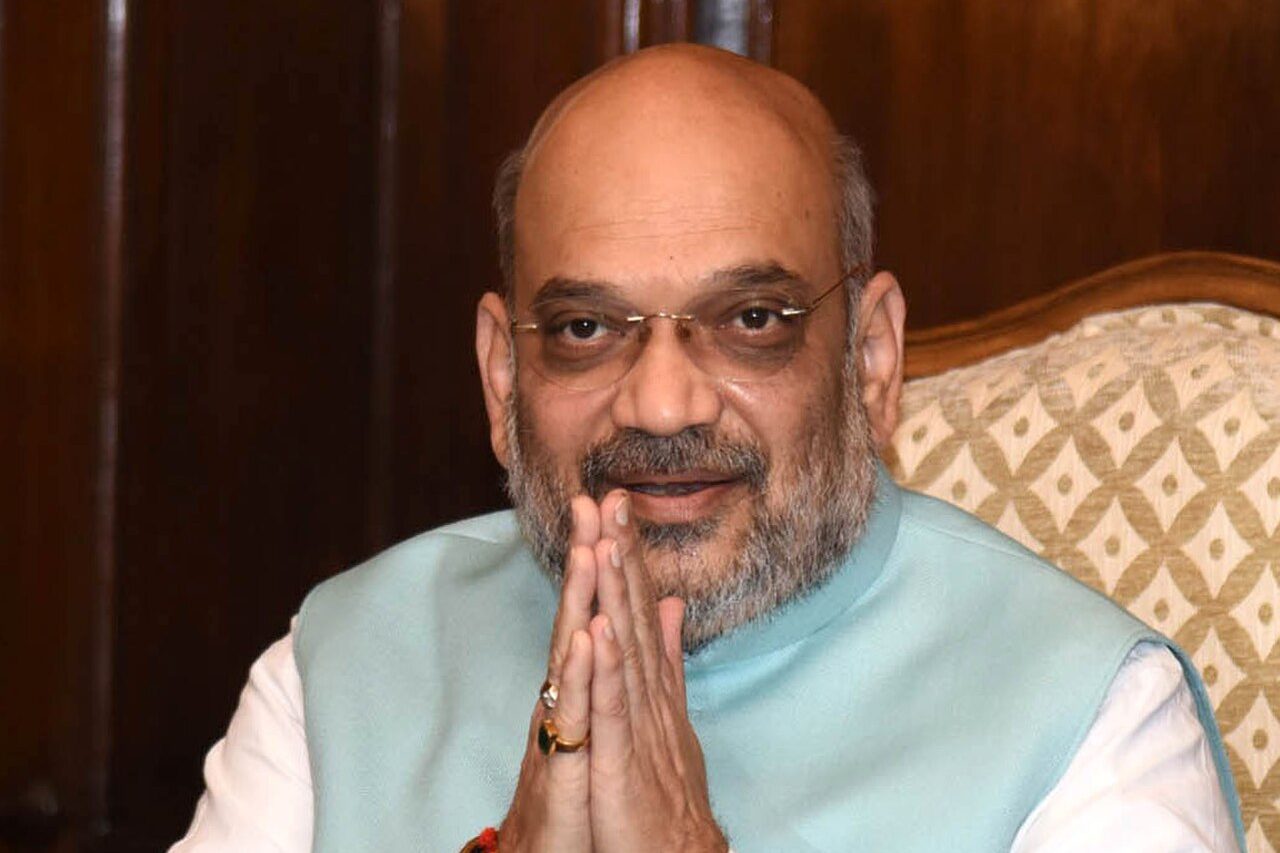
Union Home Minister Amit Shah said on Sunday that this Diwali is the first in five decades when the country has been freed from the scourge of Naxalism, and dedicated the festival to the security forces he credited with the result. He made the statement in a post on X on November 8, 2026, as Prime Minister Narendra Modi spent the evening with troops in Bastar, Chhattisgarh.
“Today, Modi ji is celebrating Diwali with soldiers in those very forests of Bastar where Naxal terror once reigned,” Shah wrote. He said the victory “belongs to the courage, valour and dedication of our soldiers”, and that “this Diwali is dedicated to the valour and sacrifice of those heroes”. He added that the nation would remain grateful to them. The post was also published in Hindi.
What Shah said
Shah’s post is short and makes three points. It places the Prime Minister with soldiers who are posted away from home on the festival, in the forests that were Maoist territory. It names the soldiers, not any policy, as the source of the victory. And it sets a time frame: five decades, a span he does not break down.
It gives no new figures. The numbers behind the claim are in the Home Minister’s reply in Parliament seven months ago.
The March 30 reply
On March 30, 2026, Shah replied in the Lok Sabha to a discussion on ending left-wing extremism, a day before the March 31 deadline his ministry had set. According to the Press Information Bureau, he told the House: “There is no hesitation now in saying that the country has become Naxalism-free.”
The figures he gave were these. Naxal-affected districts had fallen from 126 in 2014 to two, and the most-affected districts from 35 to none. Police stations reporting Naxal incidents had dropped from 350 to 60. Between 2024 and March 2026, 706 Naxalites were killed in encounters, 2,218 were arrested and 4,839 surrendered.
On the leadership, he said that of 21 Central Committee and Politburo members at the start of 2024, 12 had been killed, seven had surrendered, one had been arrested and one was absconding.
Left-wing extremism, as Shah told the Lok Sabha on March 30, 2026
- 126 to 2 affected districts2014 to March 2026
- 350 to 60 police stations reporting incidentsSame period
- 4,839 surrendered2024 to March 2026
Shah also gave the cost as he saw it: 20,000 people killed in Naxal violence, including 5,000 security personnel. These are the minister’s own figures in Parliament and were not independently audited in the record we read.
How we got here
The government set the target of ending Naxalism by March 31, 2026, on August 24, 2024. Operations then moved on the Telangana-Chhattisgarh border, including a 21-day operation in the hills that the Home Minister described in the House. The Karanpur CoBRA base, where Modi was on Sunday, is one of the bases from which forces move into Bastar and the Abujhmad forest.
Modi’s own words from the base are in our earlier report. He told personnel it was the first Diwali when every district is free from Naxalism, and that every soldier is part of his family. On November 1, he also linked Chhattisgarh’s growth to the uprooting of Naxalism. Shah’s post adds the Home Ministry’s voice to that message on the same day.
What the Home Minister told the House about the forces
In March Shah credited the Central Armed Police Forces, including CoBRA and the CRPF, and state forces, in particular the Chhattisgarh Police and its District Reserve Guard, along with local tribal residents. He listed 596 fortified police stations built in 11 years, 406 new CAPF camps in six years and 400 bullet-proof and blast-proof vehicles.
His policy on talks was stated in the same reply: dialogue only with those who surrender their weapons. For those who do, the surrender incentive is ₹50,000, doubled for group surrenders, with a stipend of ₹10,000 a month for 36 months, skill training and housing under the Pradhan Mantri Awas Yojana. A village that becomes Naxal-free and forms a panchayat gets ₹1 crore for development.
Politics around it
Shah’s reply in Parliament also turned on the Congress. He said the party had done nothing to end Naxal violence and accused Rahul Gandhi of being seen with sympathisers of the movement. Those were the Home Minister’s charges; the version of the record we read carries no response from Gandhi. Modi’s Bastar remarks on Sunday were reported to include a warning about people who share the ideology without arms, a part of the speech whose full text was not available to us.
Why it matters to readers
For the people of Bastar and the other districts once marked on the red corridor, the practical test is what follows the security campaign. Shah said in March that development was spreading, with school and ration shop construction in Bastar, and that 17,589 km of roads had been approved, of which about 12,000 km were built. Those roads, schools and ration shops are what residents will measure the claim against.
For the forces, the post is public recognition at the end of a campaign in which, by Shah’s own count, thousands of personnel were killed over the decades.
What next
The government said in March that it would formally announce completion of the campaign later. Shah’s post and Modi’s remarks on Sunday do not carry such an announcement. No date for that announcement, or for fresh Home Ministry figures, has been given in the sources we read.
The road to Sunday's claim
- August 24, 2024Government sets March 31, 2026, as the target to end Naxalism
- March 30, 2026Shah tells the Lok Sabha the country has become Naxalism-free; two districts still listed as affected
- November 1, 2026Modi links Chhattisgarh's growth to uprooting Naxalism
- November 8, 2026Modi at Karanpur CoBRA base; Shah's post on X
The documents
- Union Home Minister replies to the discussion in the Lok Sabha on efforts to free the country from Left-Wing ExtremismPress Information Bureau, March 30, 2026