Key points
- Modi inaugurated the forum on November 20 and proposed joint digitisation and AI translation of ancient texts.
- He also suggested museum exhibitions, scholar exchanges and heritage circuits along the Silk Routes.
- No agreement or outcome document was announced; sessions continue on November 21 and 22.
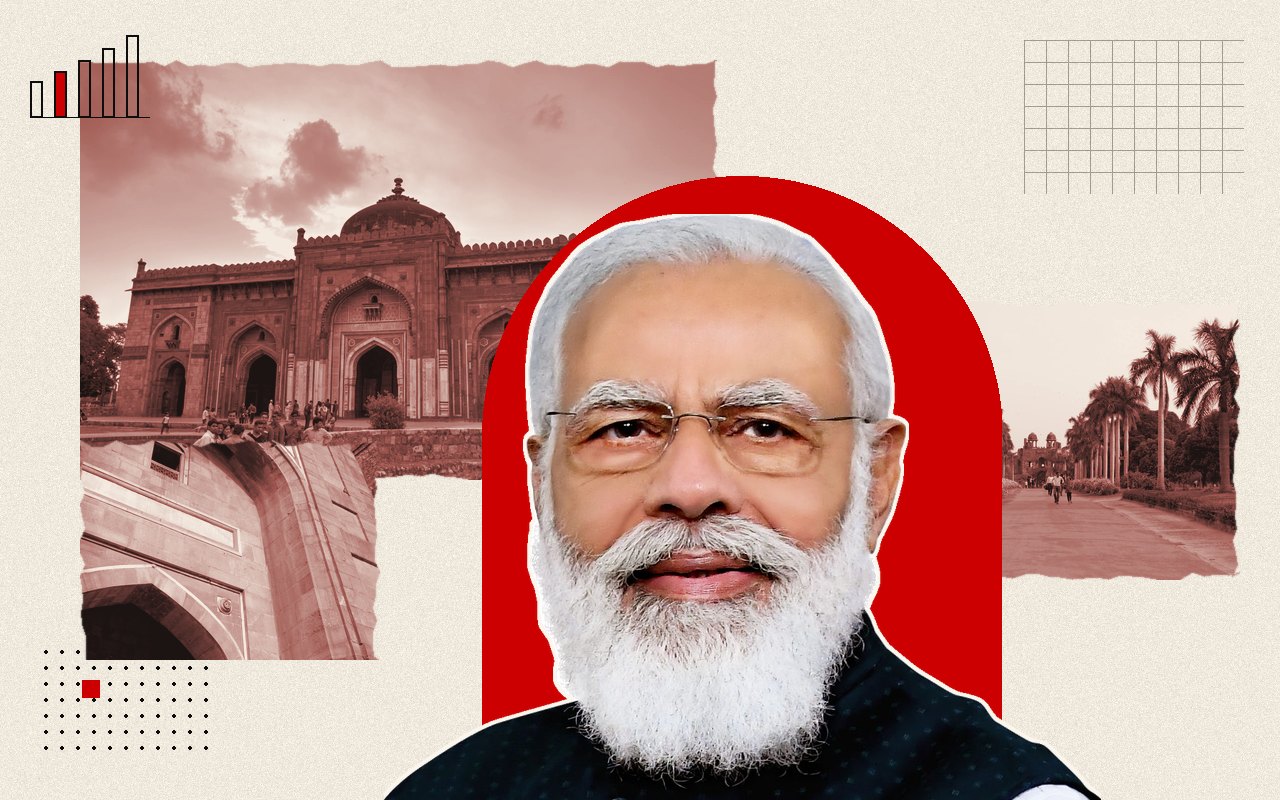
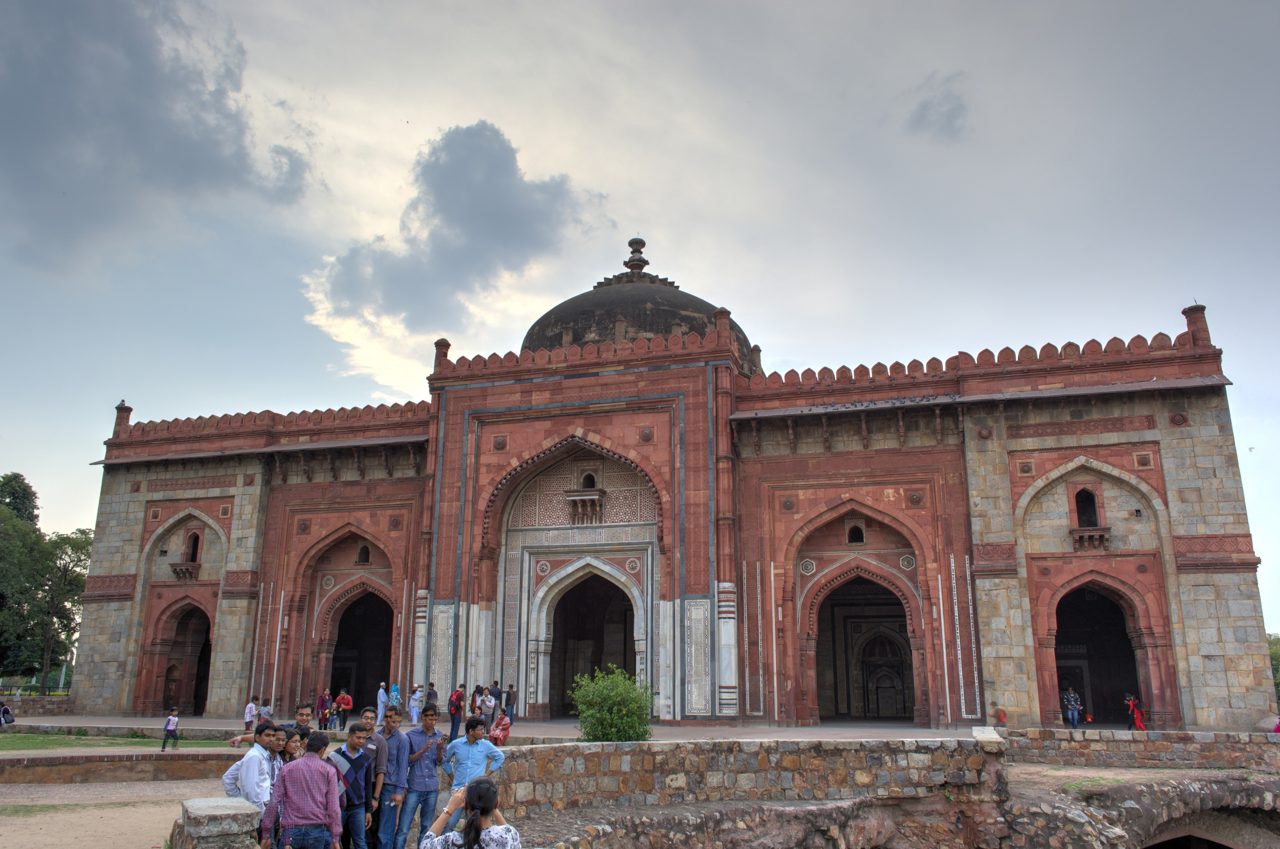
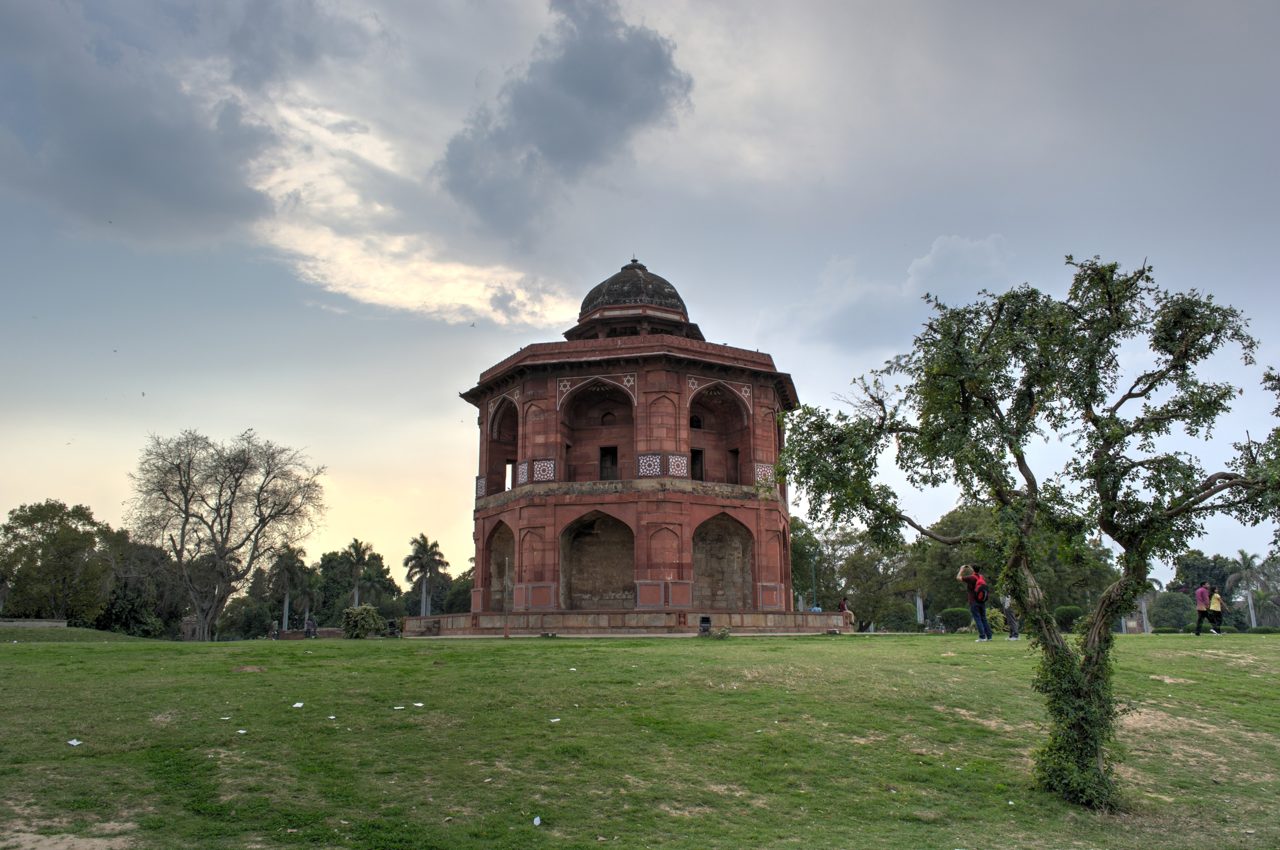
Prime Minister Narendra Modi on Friday, November 20, 2026, inaugurated the first Civilisational Dialogue Forum of the Shanghai Cooperation Organisation at Purana Qila in New Delhi, and used the opening address to propose a set of joint cultural projects to SCO members: digitising ancient texts, AI-assisted translation, museum exhibitions, scholar exchanges and heritage circuits along the Silk Routes. No agreement or outcome document was announced on the day.
The forum, organised by the Ministry of Culture with the Ministry of External Affairs, runs to Sunday, November 22.
What Modi said
Modi began by placing the forum against the news of the day. “Discussions around the world are dominated by war and unrest,” he said, arguing that cultural connection is the surest basis for peace. He noted that “only a few months ago, the Shanghai Cooperation Organisation completed 25 years of its establishment”, and that the grouping has built cooperation in security, the economy and connectivity. Cultural cooperation, he said, would strengthen ties among member countries.
He then traced the routes along which ideas travelled. The trade between the Indus Valley and Mesopotamia about 5,000 years ago, the Chinese monks Faxian, Xuanzang and Yijing, the scholar Kumarajiva, the mathematics of Brahmagupta and Al-Khwarizmi, and the centres of Nalanda, Gandhara, Kucha, Dunhuang, Samarkand, Herat and Baghdad all featured in his account. He cited the Panchatantra reaching Persian and Arabic as Kalila wa Dimna, the Ramayana travelling to Southeast Asia as the Reamker in Cambodia, the links between Central Asian Maqam and Indian Raga, Sufi influence on Qawwali, and the Charbagh garden style.
Mutual trust, he said, grows from shared experiences, and he invoked the principle of Vasudhaiva Kutumbakam, the world as one family. He closed with the Vedic verse “Sangachchhadhwam Samvadadhwam Sam Vo Manamsi Janatam”, which he rendered as “let us walk together, let us engage in dialogue, and let there be harmony in our thoughts”.
The proposals
The practical part of the speech was a list of areas where members could work together. Modi said: “We can cooperate in the digitisation and translation of ancient texts”, and proposed joint research projects on shared history. He said many literary works exist in only a few languages and that “with the help of AI, the translation of these works can be accelerated significantly.”
He also suggested joint exhibitions by museums, exchange programmes for scholars and researchers, and joint cultural festivals and artist exchanges. On tourism, he said “many historical sites linked to the Silk Routes and Buddhist heritage exist across our countries” and that members “can explore possibilities for connecting them through heritage circuits and cultural routes.”
The last group of proposals concerned young people. “Today’s younger generation is connected through technology and wants to understand the world better,” he said, and he called for local artists and artisans to be brought in through digital media and creative platforms. None of these came with a budget, a timeline or a named lead agency, and the official text records no agreement.
Who was there
Modi addressed the hall with a salutation to the Secretary General of the SCO, India’s Culture Minister Gajendra Singh Shekhawat, other ministers of the Government of India, ministers and ambassadors from SCO countries, high commissioners, scholars and artists. The official record does not list which countries sent ministers. India had invited the culture ministers of all 10 member states, including Pakistan, and by November 13 had counted 15 confirmations. In the sources we read, Pakistan’s attendance was not stated, and no outcome document has been published.
The opening day
After the inauguration the evening programme opened with a cultural show titled “Civilisations in Conversation”, which combined music, dance, visual storytelling and narration under the theme of Vasudhaiva Kutumbakam, tracing links between India and Eurasia. Two exhibitions opened at the venue: “ASTITVA, The Essence of Our Existence”, which presents archaeological evidence of Delhi’s history from 1200 BCE to 1200 CE, and the “Mahabharat Scroll Pavilion”, which displays an 18th-century illustrated Mahabharata scroll.
How the forum came about
Modi proposed a civilisational dialogue platform at the SCO leaders’ summit in Tianjin in September 2025, and the idea was welcomed in the Bishkek Declaration. On October 20, Defence Minister Rajnath Singh told the SCO Council of Heads of Government in Dushanbe that India would host the first forum by the end of the year; we reported that meeting here. It had earlier been billed for Kolkata in July, and later reports placed it in Delhi in November. The reason for the change has not been given.
What happens next
Four thematic sessions follow on November 21 and 22: arts, textiles, cuisine and traditional games; shared art and architecture; languages, scripts and manuscripts; and monastic trails and philosophical traditions. Whether any joint statement or follow-up working group comes out of them has not been announced. The next fixed date on the SCO calendar is the leaders’ summit in Islamabad in August 2027, which Pakistan, the current chair, will host.
Three days of civilisational dialogue in Delhi
- September 2025Modi proposes the forum at the Tianjin summit
- October 20Rajnath Singh says India will host it
- November 20Modi inaugurates it at Purana Qila
- November 22Forum ends
Source: Prime Minister's Office, November 20, 2026
Updated November 21, 2026, 8:13 am IST: This story was updated after it was first published.
The documents
- PM's address at the inauguration of First Shanghai Cooperation Organisation (SCO) Civilisational Dialogue Forum in DelhiPrime Minister's Office, November 20, 2026
- PM inaugurates First SCO Civilisational Dialogue ForumPrime Minister's Office, November 20, 2026
- India will host first SCO Civilisational Dialogue Forum on November 20 in New DelhiNews On AIR, November 13, 2026