Key points
- SpaceX caught Ship 42 with the tower's arms at about 2:50 am IST on Sunday, the first time an upper stage has been recovered from orbit.
- The ship flew 14 orbits over about 22.5 hours and released all 26 Starlink V3 satellites.
- The Super Heavy booster was lost offshore after an abort; SpaceX is still investigating the cause.
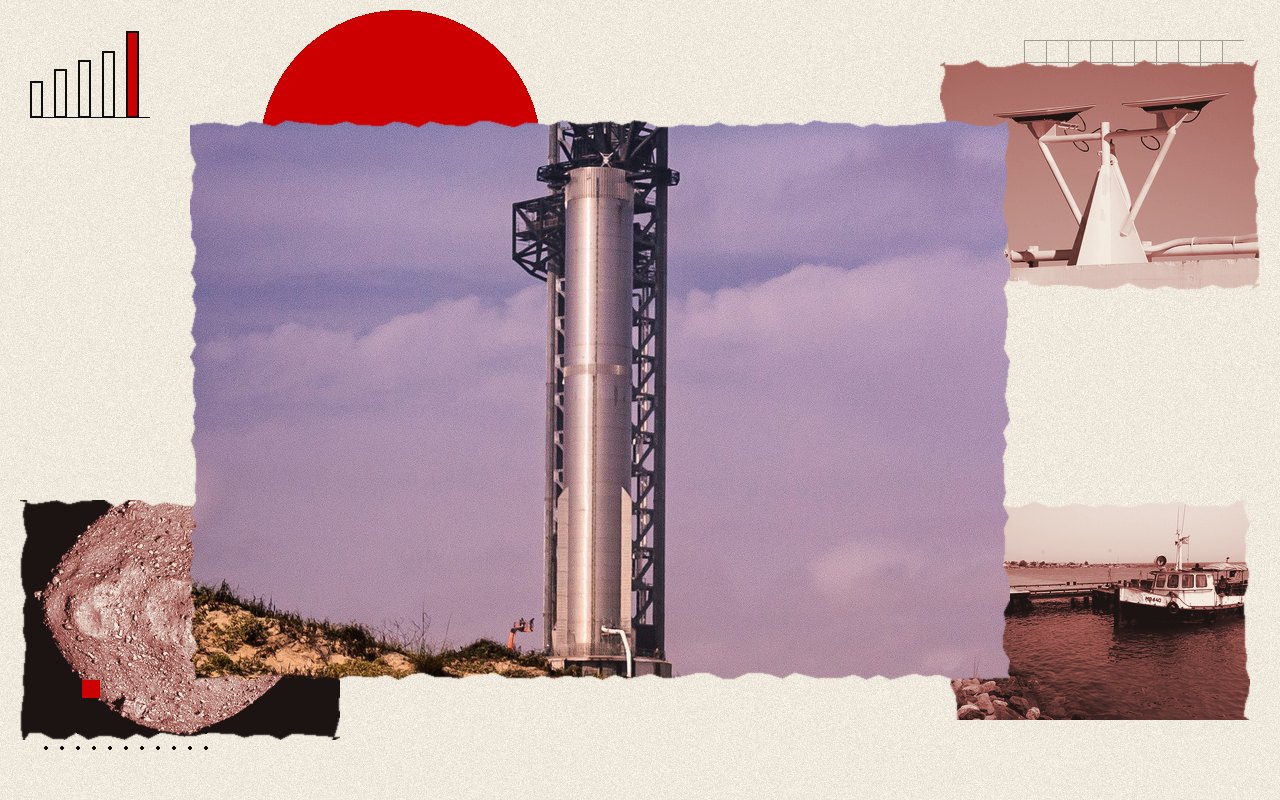
SpaceX caught the Starship upper stage with its launch tower at Starbase, Texas, at about 2:50 am IST on Sunday, the first time any company has brought an orbital rocket’s second stage back to its launch site and grabbed it from the air. Ship 42 returned about 22.5 hours after liftoff and 14 orbits of Earth, ending the mission that began with Flight 15 on Saturday morning India time.
The catch came at 4:20 pm Eastern time on Saturday, 3:20 pm local time in Texas, using the tower’s “chopstick” arms, the same system that has caught the Super Heavy booster three times. SpaceX commentator Dan Huot called it “the holy grail of space flight, plummeting through fire to be snatched out of the air by steel.” Elon Musk wrote: “Congratulations to an incredible team at SpaceX!!!”
How the ship came home
Ship 42 fired a single Raptor engine for a 10-second deorbit burn at about 3:23 pm Eastern, then entered the atmosphere at roughly 17,000 mph with plasma around its leading edges. It reignited three engines for the final approach and flipped to a vertical position over the Gulf of Mexico, a manoeuvre SpaceX engineers call the “swoosh”, before settling into the arms.
The ship had earlier carried out its main job. It had released all 26 Starlink V3 satellites by 1 hour 17 minutes after liftoff from an orbit about 260 km up, and SpaceX confirmed contact with every one. A few of those satellites carried cameras that photographed the ship’s heat-shield tiles. SpaceX said the images showed the shield in good shape, so controllers skipped the backup splashdown option that was available overnight.
Ship 42 carried a “Don’t Panic” marking, a nod to The Hitchhiker’s Guide to the Galaxy, and a heat-shield tile signed by the YouTuber MrBeast.
The booster that did not make it
The day before, the Super Heavy booster, Booster 22, did not reach the tower. As we reported on Saturday, SpaceX called off its catch and sent it toward the Gulf of Mexico. Later accounts say it relit 32 of its 33 Raptor engines for the boostback burn, which ended early because it was low on propellant. The booster’s guidance system then detected that it was out of position and triggered the abort. It hovered over the water before its flight termination system fired and it fell into the sea.
Musk said the engines had slightly underperformed, leaving the booster short of propellant. He named two fixes: more consistent Raptor V3.2 engines and a software change that shuts the engines down about a second earlier to save fuel for the return. “This booster loss does not change our timeline to reach high volume, fully reusable Starship flights,” he said. SpaceX engineer Kate Tice said the team was still looking into the root cause.
How we got here
The ship catch was the missing half of the plan. SpaceX has caught a Super Heavy booster at the tower three times, the last in March 2025. Flight 14 in September 2026 put the V3 ship into orbit for the first time, but it ended after about three hours with a splashdown in the Pacific when some engines shut down. Flight 15 was meant to be the first double catch, with the booster back on the tower and the ship a day later. It managed one of the two.
Flight 15 in IST
- Nov 14, 4:17 amLiftoff from Starbase
- Nov 14, about 4:25 amBooster catch called off, booster lost offshore
- Nov 14, about 5:34 amAll 26 Starlink V3 satellites released
- Nov 15, about 2:50 amShip 42 caught by the tower after 14 orbits
Why it matters
A ship that can be caught and relaunched is what SpaceX needs to cut the cost of each Starship flight. Until now, every Starship upper stage has been thrown away or splashed down. Musk said on the company’s third-quarter call, covered in our report on SpaceX’s results, that he wants Starship flying like an aircraft, with weekly flights in the first half of 2027. SpaceX president Gwynne Shotwell said the company aims to refly a second stage by early next year.
The same ship is central to NASA’s lunar plans. The agency’s Artemis timetable depends on Starship being refuelled in orbit by tanker flights, which needs ships that fly often, as set out in our report on NASA’s Moon base plan. SpaceX also wants cheaper launches to fly bigger batches of Starlink V3 satellites; the 26 on this flight carry roughly a terabit of capacity between them.
What happens next
SpaceX has not named a date for Flight 16. The engineering work now is on the booster: finding why the engines fell short, fitting the software change and bringing more consistent Raptor V3.2 engines to the pad. Teams will also inspect Ship 42, including its heat shield, to see how much refurbishment it needs before it can fly again. The FAA’s public scoping meetings on increasing Starship launches at Starbase are due on November 17, in virtual sessions and in Brownsville.
Ship 42 caught by the tower after orbit
- November 14, 4:17 amLiftoff from Starbase
- November 14, 4:25 amBooster catch called off
- November 15, 2:50 amShip 42 caught by the tower
Source: SpaceX flight webcast, November 14 to 15, 2026