Key points
- Vulcan is due to lift off at 12:11 pm EST (10:41 pm IST) on Sunday, in a window that closes at 12:40 pm EST.
- It carries 40 Amazon Leo satellites, the first of 38 Vulcan launches Amazon has booked.
- The rocket flies with a redesigned solid booster nozzle after two earlier flights lost a nozzle in the climb.
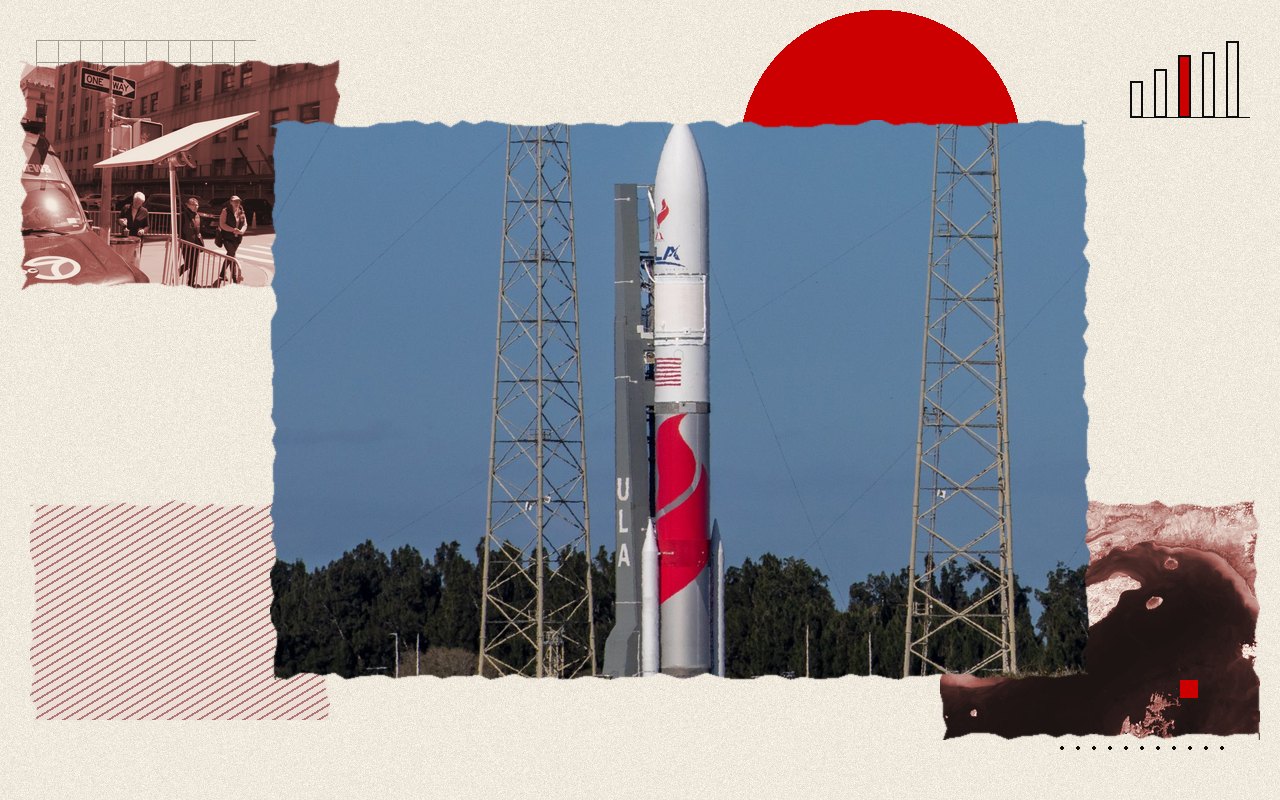
United Launch Alliance’s Vulcan rocket is scheduled to return to flight on Sunday, November 15, carrying 40 Amazon Leo internet satellites from Cape Canaveral Space Force Station in Florida. Liftoff is targeted for 12:11 pm Eastern Standard Time, which is 10:41 pm in India, inside a window that closes at 12:40 pm EST. It is the rocket’s first launch in about nine months and the first time it flies with a changed solid booster nozzle.
The launch was meant to go on Friday, November 13, and slipped twice. It is pending range approval, and the attempt tonight has not yet happened as this report is written.
What the launch will do
The flight, named Vulcan Leo 1 by ULA, uses the Vulcan VC6L configuration: a Centaur V upper stage tuned for low Earth orbit, six GEM 63XL solid rocket boosters and a longer fairing, 21.3 metres (70 feet) tall, to hold the satellites. It lifts off from Space Launch Complex 41.
If it flies as planned, Vulcan will release the 40 satellites over about 25 minutes, beginning roughly 70 minutes after liftoff, at an altitude of about 435 km (270 miles). Amazon Leo is a broadband network meant to grow to more than 3,000 satellites. This is the first of 38 Vulcan launches Amazon has contracted; ULA has already flown eight Atlas V missions for the programme.
Why Vulcan has been on the ground
Vulcan’s last flight was in February this year, its fourth. On that flight, as on its second in October 2024, a solid rocket booster nozzle burned through and fell off about 30 seconds after launch. Both missions still reached their intended orbits. The third and fourth flights were Space Force missions, and the US Space Force paused national security launches on Vulcan until the problem is resolved.
ULA says it has found several possible contributors and reduced them through changes to the nozzle design and to its processes. In an update on October 28 it said: “To support our customers, this upcoming launch will utilize the improved nozzle design.” It added that “by flying the improved design, ULA gains valuable flight data that validates these improvements.” Testing and analysis continue in parallel, so the Amazon flight serves as a check on the fix as well as a delivery.
The two delays
The first attempt, on Friday, was postponed after a power interruption at an off-site plant that supplies gaseous nitrogen to Vulcan. On Saturday, ULA stood down after a network communication problem between the ground equipment and the launch vehicle. The company said reconfiguring the link would run past Saturday’s 29-minute window, and it has not said what caused the fault or how long the work took. The original Saturday target was 12:32 pm EST.
ULA says that both the rocket and the satellites remain healthy. None of the sources read for this report gives a weather forecast for Sunday’s window.
Why it matters
Vulcan is ULA’s main vehicle for government and commercial customers, and a clean flight would end a nine-month gap that has held up its manifest. For Amazon, which must put thousands of satellites in orbit, a working Vulcan adds a heavy-lift rocket to the launchers it has booked. For the Space Force, the flight supplies the data on the redesigned nozzle that its pause on national security missions depends on.
The satellites are for a commercial network that competes with other low Earth orbit broadband constellations, though this launch does not itself start any service.
What happens next
Tonight’s attempt is the one to watch: a launch inside the 29-minute window, the separation of the 40 satellites about 70 minutes later, and then what the booster data shows about the nozzle. If the countdown stops again, ULA will announce a new date. A clean flight with an intact nozzle would be the first evidence that the redesign works; a repeat of the burn-through would extend the pause on Space Force missions.
Vulcan flies again after nine months
- November 13Planned launch slips: power cut at a gas plant
- November 14Network fault between ground gear and rocket
- November 15New attempt at 12:11 pm EST
Source: United Launch Alliance, November 15, 2026
The documents
- Vulcan Leo 1 mission pageUnited Launch Alliance, November 15, 2026