Key points
- The UN climate conference runs November 9 to 20 in Antalya, with a leaders' summit on November 11 and 12.
- Turkey presides through Murat Kurum, while Australia's Chris Bowen chairs the formal negotiations.
- India wants a decision launching a climate finance work programme and says money must be predictable, largely public and concessional.
The United Nations climate conference, COP31, opens today in Antalya on Turkey’s Mediterranean coast and runs until November 20, with host and negotiators from different countries, a smaller turnout of leaders than at recent summits and a long argument over money waiting in the wings.
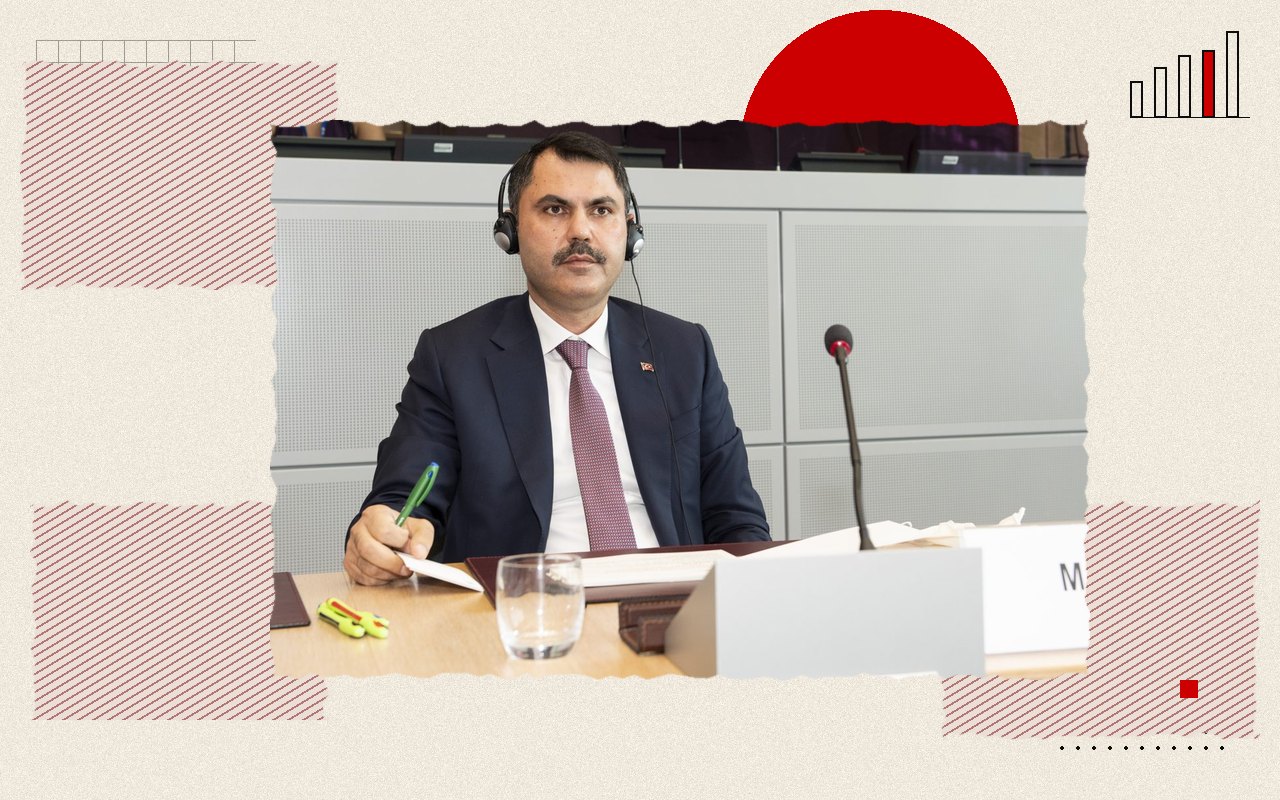
Turkey presides over the conference through Murat Kurum, its Minister of Environment, Urbanization and Climate Change. Australia leads the formal negotiations under an arrangement that settled a dispute over who would host. Australia’s Chris Bowen is President of Negotiations, which means he chairs the talks that produce the decisions, while Ankara runs the voluntary Action Agenda alongside them.
What the presidency has put on the table
The presidency’s own programme lists ten priority themes for the Action Agenda: zero waste, oceans and seas, food security, climate-resilient cities, powering climate action, youth and education, green industrialisation, the clean energy transition, Rio synergy and resilient health systems. Finance, technology and capacity building run through all of them. Monday is a thematic day on food, agriculture and health in the public Green Zone, which runs from 9 am to 10 pm.
The main political push is to raise electricity’s share of global energy demand from about 20% to 35% by 2035. Turkey and Australia want it written into the conference’s cover decision. The European Union wants the wording to say “clean” electrification, a change that could reopen the fight over fossil fuels. On October 29 the presidency launched the Antalya Compact for Energy Efficient Buildings, open for endorsement by every party.
COP31 at a glance
- October 5 to 8, 2026Pre-COP meeting in Fiji, with a leaders' event in Tuvalu
- November 4, 2026UNEP says adaptation finance falls well short of needs as warming nears 1.5°C
- November 9, 2026COP31 opens in Antalya
- November 11 to 12, 2026World Leaders' Summit, days three and four
- November 20, 2026Scheduled close of the conference
A smaller leaders’ summit
The summit of leaders is on November 11 and 12, on the third and fourth days, not at the start as at earlier conferences. As of October 22, 85 world leaders had confirmed and nearly 300 ministers were expected, by an agency count. A provisional speakers’ list seen by a climate newsletter carries 77 heads of state or government, against 116 at Dubai in 2023. Former UN climate chief Yvo de Boer called the low turnout “the wrong signal at a difficult time.”
More than 100,000 people are expected in Antalya. A US congressional delegation will attend, but the Trump administration is not taking part in the negotiations. Erdogan, UN Secretary-General António Guterres and Australian Prime Minister Anthony Albanese are expected to give opening remarks.
Weaker plans, rising heat
The numbers the delegates arrive with are not encouraging. National plans filed so far would cut emissions about 6% below 2019 levels by 2035, or 9% if conditional pledges are met, according to the analysis in one pre-conference preview. A UNEP report in October found that even full delivery of current national pledges would still lead to about 2.6°C of warming this century. The UN warned in September that the 1.5°C threshold was at risk, and a strong El Niño could make 2026 or 2027 the hottest year on record.
An energy crisis linked to the war in the Middle East is also weighing on the talks. At COP28 countries pledged a transition away from fossil fuels, but the COP30 deal in Belém did not explicitly mention them after oil-producing nations objected.
The money question
Finance is the most likely flashpoint. At Belém, countries agreed to “at least triple” adaptation finance by 2035 but set no starting figure and named no payers. African negotiators, chaired by Ghana, want a pledge on tripling on the COP31 agenda, while budget-strapped developed countries are reluctant. The overall Belém goal of $1.3 trillion a year by 2035 leans heavily on development banks, which, according to the preview, have pushed climate down their agendas under pressure from Washington.
The loss and damage fund’s first payout is $20 million for Nepal’s floods, which caused estimated losses of about $2.69 billion.
India’s position
At a briefing in New Delhi on November 3, Union Environment Minister Bhupender Yadav said India would pursue solution-oriented and equitable climate action for the Global South and coordinate with the G77 and China, the Like-Minded Developing Countries and the BASIC group.
Climate finance is India’s first priority. It wants a COP31 decision launching the Climate Finance Work Programme. Yadav said finance is a developed-country obligation under Article 9.1 of the Paris framework and “must be predictable, largely public and concessional”, and should not add to developing countries’ debt. India also wants mitigation and the Global Stocktake to remain party-driven and non-punitive, opposes new top-down targets, and wants adaptation indicators to be voluntary and not tied to access to finance.
India’s own new plan, according to the same preview, would let its emissions grow almost 64% above 2023 levels by 2035. Yadav said India would play a constructive, bridge-building role. Its engagements in Antalya include LeadIT 3.0 with Sweden and side events on coastal resilience and forests.
What happens next
The leaders’ summit on November 11 and 12 is the next fixed date, and the conference is scheduled to close on November 20, when the cover decision is due. Antalya’s municipality has planned 72 side events, 60 of them in the Green Zone, including the Antalya Heat Action Plan, which will be presented on November 12.
The documents
- COP31 Türkiye Antalya 2026 UN Climate Change ConferenceCOP31 Presidency, November 9, 2026