WorldUS midterms
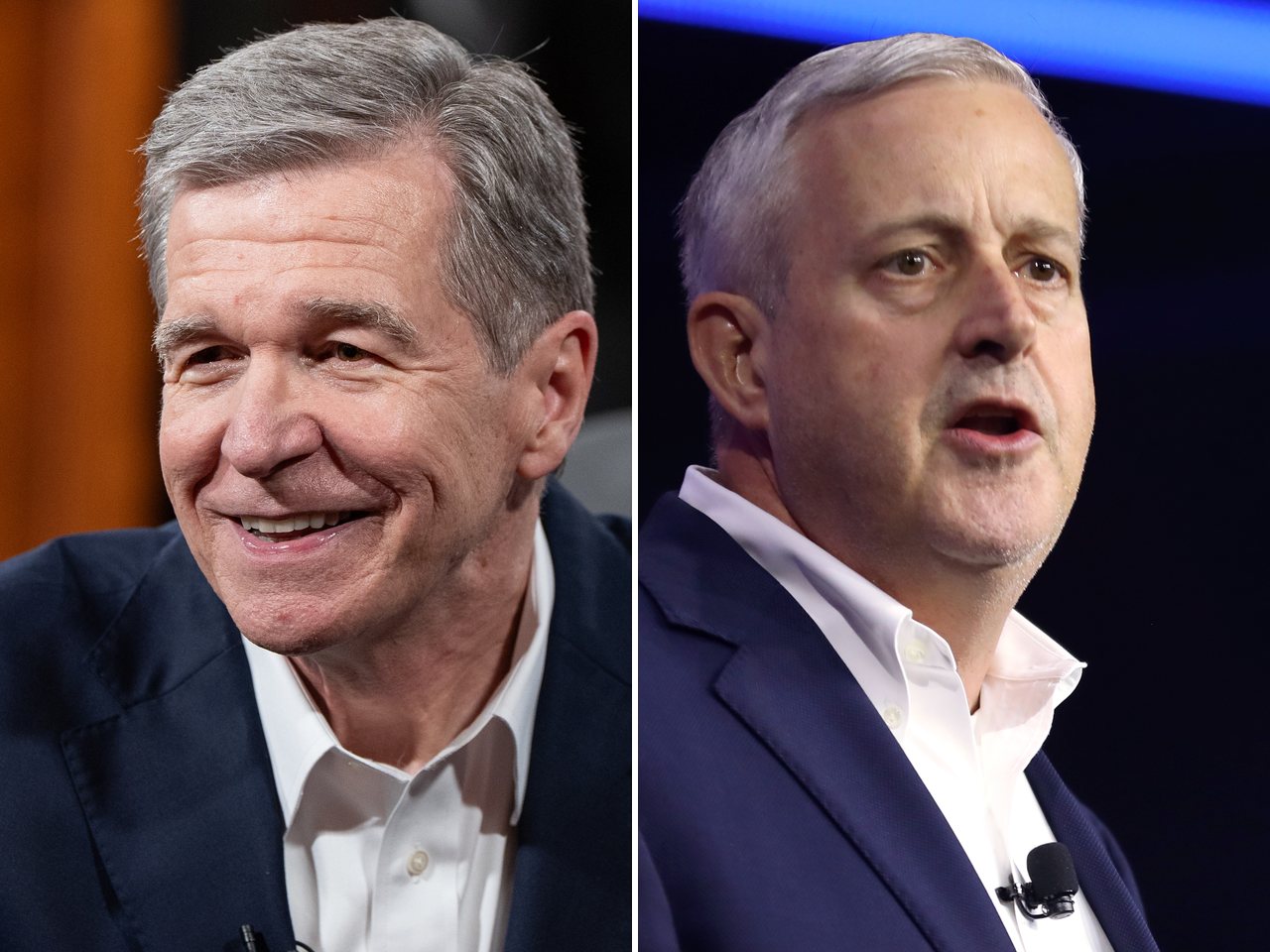
Cooper flips North Carolina as Democrats sweep early Senate calls
Former governor Roy Cooper takes a Republican-held Senate seat and Chris Pappas holds New Hampshire, giving Democrats the first gain they need. Control of the House and Senate is still open.
Key points
- Roy Cooper beat Michael Whatley to give Democrats their first Senate flip of the night.
- Democrats also held Georgia, New Hampshire and Illinois, three seats Republicans hoped to contest or that were open.
- Democrats still need a net gain of four seats to win the Senate; no chamber has been called.
Democrat Roy Cooper has won North Carolina’s Senate seat, taking it from the Republicans and giving his party the first gain it needs in a midterm night that will decide who controls Congress for the last two years of Donald Trump’s second term.
Cooper, a former two-term governor of the state, beat Republican Michael Whatley in a race called just before 8:30 pm Eastern time, around 7 am in India. Minutes earlier, Chris Pappas held New Hampshire’s open seat for the Democrats, defeating Republican John Sununu in one of the few Democratic-held races Republicans thought they could win.
A clean early run for Democrats
The early Senate calls have gone almost entirely one way. Jon Ossoff held Georgia against Republican congressman Mike Collins, the first big call of the night. Mark Warner kept Virginia, and Juliana Stratton won the open seat in Illinois. Cory Booker in New Jersey, Chris Coons in Delaware, Jack Reed in Rhode Island and Ed Markey in Massachusetts were all returned.
Republicans held West Virginia, where Shelley Moore Capito beat Democrat Rachel Fetty Anderson. Most of those results were expected. North Carolina was not a given, and it was one of eight Republican-held seats Democrats had targeted, along with Alaska, Iowa, Kansas, Maine, Ohio, South Carolina and Texas.
Republicans went into the night with a 53 to 47 Senate majority. Democrats need a net gain of four seats to take control, because Vice President JD Vance breaks a 50-50 tie in the Republicans’ favour. Cooper’s win is one of the four. Michigan, the third Democratic seat Republicans were targeting, had not been called.
The House still open
No party has yet been projected to win the House, where Republicans held 218 seats to the Democrats’ 214 going in, with two vacancies. Only a handful of the 435 races had been called, most of them safe seats such as James Comer’s in Kentucky for the Republicans and Joyce Beatty’s in Ohio for the Democrats.
Forecasters had leaned towards the Democrats. Before the polls closed, the Decision Desk HQ model projected 241 House seats for Democrats and 194 for Republicans, and the Cook Political Report moved 11 more House races in the Democrats’ direction during the day. Those are forecasts, not results.
In the governors’ races, Democrats Wes Moore in Maryland, JB Pritzker in Illinois and Josh Shapiro in Pennsylvania won re-election.
Trump had warned on Monday that history was against him. “For some reason, the sitting president doesn’t win the midterms,” he said. “But we gave this a very strong shot.”
Why India is watching
For New Delhi, the result matters most through trade. A Congress with one or both chambers in Democratic hands would have more power to check Trump’s tariff agenda and to question his Iran war policy, both of which have weighed on Indian exporters and on oil prices. A fuller picture of the House is expected through Wednesday in India, and close Senate races such as Alaska, which uses ranked-choice voting, may take days.