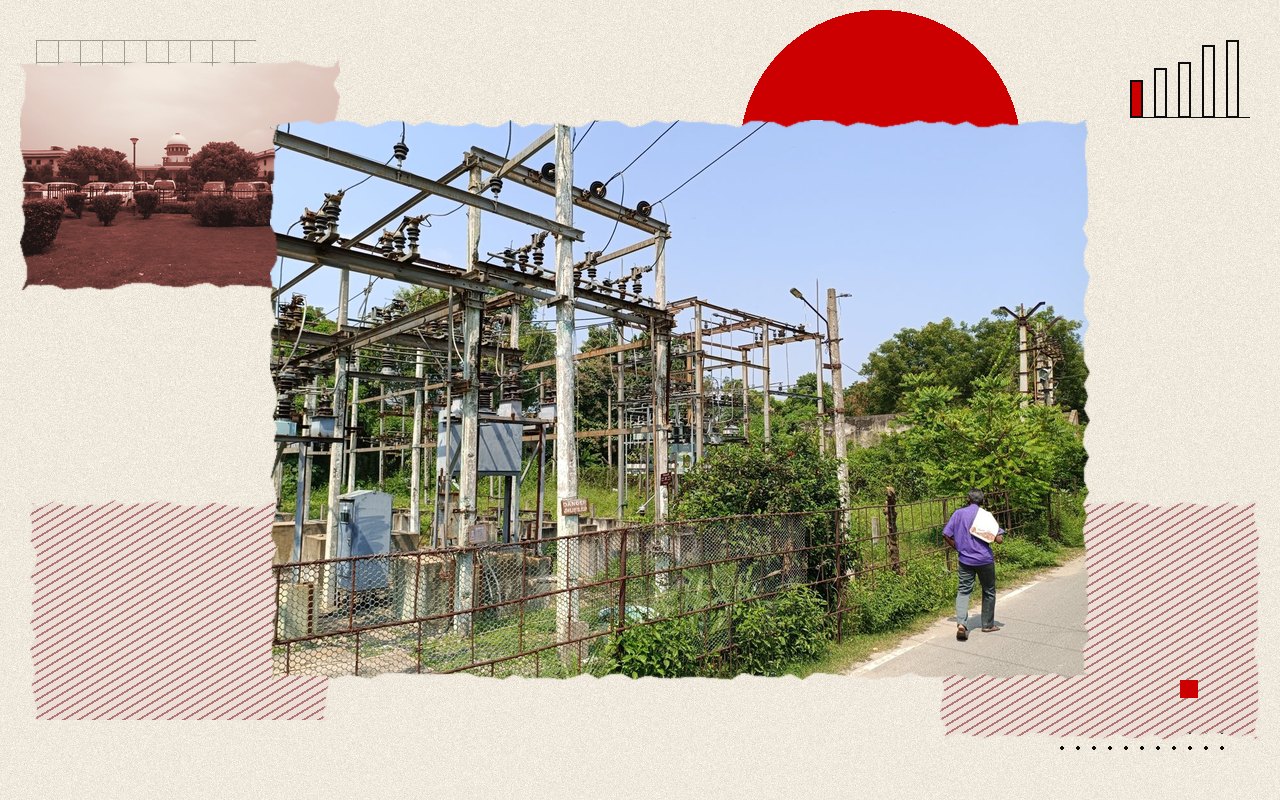
Power distribution companies are where electricity meets the voter. A household that gets a bill it cannot decode, or a night of cuts it cannot explain, is dealing with a discom. Yet the companies’ finances have been described mostly in ministry ratings and state budget notes, rarely in an independent audit that uses the same yardstick everywhere.
That changes now. The Comptroller and Auditor General has begun its first integrated audit of 39 public-sector discoms and five state power departments, covering five years of data. It will check technical and commercial losses, billing and collection, short-term power purchases and the Centre’s Revamped Distribution Sector Scheme. The companies under review carry ₹3.41 lakh crore in accumulated losses and more than ₹7.26 lakh crore in borrowings, with an annual interest bill of ₹77,653 crore. It is overdue, and it is welcome.
Profits that need explaining
The latest figures look better than that history. Reports of the briefing say 41 discoms made combined profits of ₹32,661 crore in 2024-25, while 23 lost ₹29,959 crore. The ministry’s own data, as analysts have read them, show a small overall profit after tax and a sharp fall in dues owed to power generators.
Those analysts also point out what sits behind it. Under rules made in 2022, 13 states converted old dues into long-term loans of about ₹1.14 lakh crore, and some state governments have taken discom losses on to their own books. Subsidy arrears have returned in some states. A profit built on a refinanced debt and a state cheque is a different thing from a utility that wastes less power and collects more.
That is the first thing the audit should settle. It should separate operating gains from accounting relief, show how much of each state’s profit or loss is really the state government’s bailout, and say so in the report.
The fair objection
Auditors can only audit what they are given. States run their discoms, and a national exercise built on common templates may flatten real differences between, say, a state with a vast farm load and one with mostly urban supply. A hurried comparison could also be misused to name and shame governments for losses that reflect political decisions on free power, not mismanagement.
Both concerns are reasonable and both are answered by publishing method and context along with the numbers. Neither is a reason to keep the findings in a drawer.
What the audit should promise
First, the CAG should set a date for each state’s report to reach its legislature. One account puts tabling as late as the second half of 2027-28. Consumers will be paying tariffs for years before they learn what the auditors found. A schedule, even a staggered one, keeps states honest.
Second, the audit should count state support: subsidy paid and unpaid, losses taken on to state books and loans converted from dues, shown state by state.
Third, the survey of about 10,000 consumers should be published in full, with questions, sample and results, not summarised in a chapter. Ratings and balance sheets say little about the service a family actually gets, and this is the first time consumers will be asked.
Fourth, discoms and state governments should file their replies to every finding publicly, so that the report is the start of an exchange and not a file closed in a committee room.
Fifth, the Ministry of Power should say how it will use the consolidated findings on the Revamped Distribution Sector Scheme, whose grants are tied to reforms the audit will now test.
Distribution has swallowed lakh crores in repairs, bailouts and refinancing, with the bill landing on tariffs and state budgets. The CAG has asked the right questions. The public should be allowed to read the answers on a date it knows.
The reporting behind this view
- ₹3.41 lakh croreaccumulated losses of the discoms at the end of March 2025, with borrowings above ₹7.26 lakh crore
- 41 and 23discoms in profit (₹32,661 crore) and in loss (₹29,959 crore) in 2024-25, per reports of the CAG briefing
- ₹1.14 lakh croredues converted into long-term loans by 13 states under 2022 rules, per one analysis of ministry data