On Saturday, Union Home Minister Amit Shah told the people of Arunachal Pradesh’s Siang region that the proposed 11,200 MW dam on their river would be taken forward “only with your trust”. It was the first word from the Centre since the night of October 23, when a bandh ended in stone-pelting and the burning of an NHPC office in Pasighat. By Sunday, the Siang Indigenous Farmers’ Forum had answered: talks can start only after central armed forces leave, arrested protesters are freed and the FIRs against them are withdrawn.
Both sides have now said they want to talk, and neither can begin. The Centre can break that deadlock, because the first move is its to make.
What the words leave out
Mr Shah called the project a national project and promised “India’s most attractive rehabilitation package”. He spoke of “positive and constructive” talks. The Home Ministry’s own release of the speech does not mention the first demand in the memorandum the Adi Ba:né Kébang United and the Forum emailed him a day earlier: stop the pre-feasibility survey. It does not mention the detained protesters either.
That silence matters. Surveyors working in the river valley while a minister speaks of trust is a contradiction villagers can see with their own eyes. Chief Minister Pema Khandu has said the pre-feasibility report is not final approval and that public consultation will come before any decision. If so, a pause costs the project little. It would cost the Centre far more to keep going and have the talks fail.
The case for the dam
The government’s argument is serious and deserves a fair hearing. China has planned a vast hydropower project on the Yarlung Tsangpo upstream, and Mr Khandu has said the Siang dam is meant mainly to regulate flows and protect downstream areas, not to generate power. A reservoir of that size could blunt a sudden release of water. India does have a strategic interest in its own river.
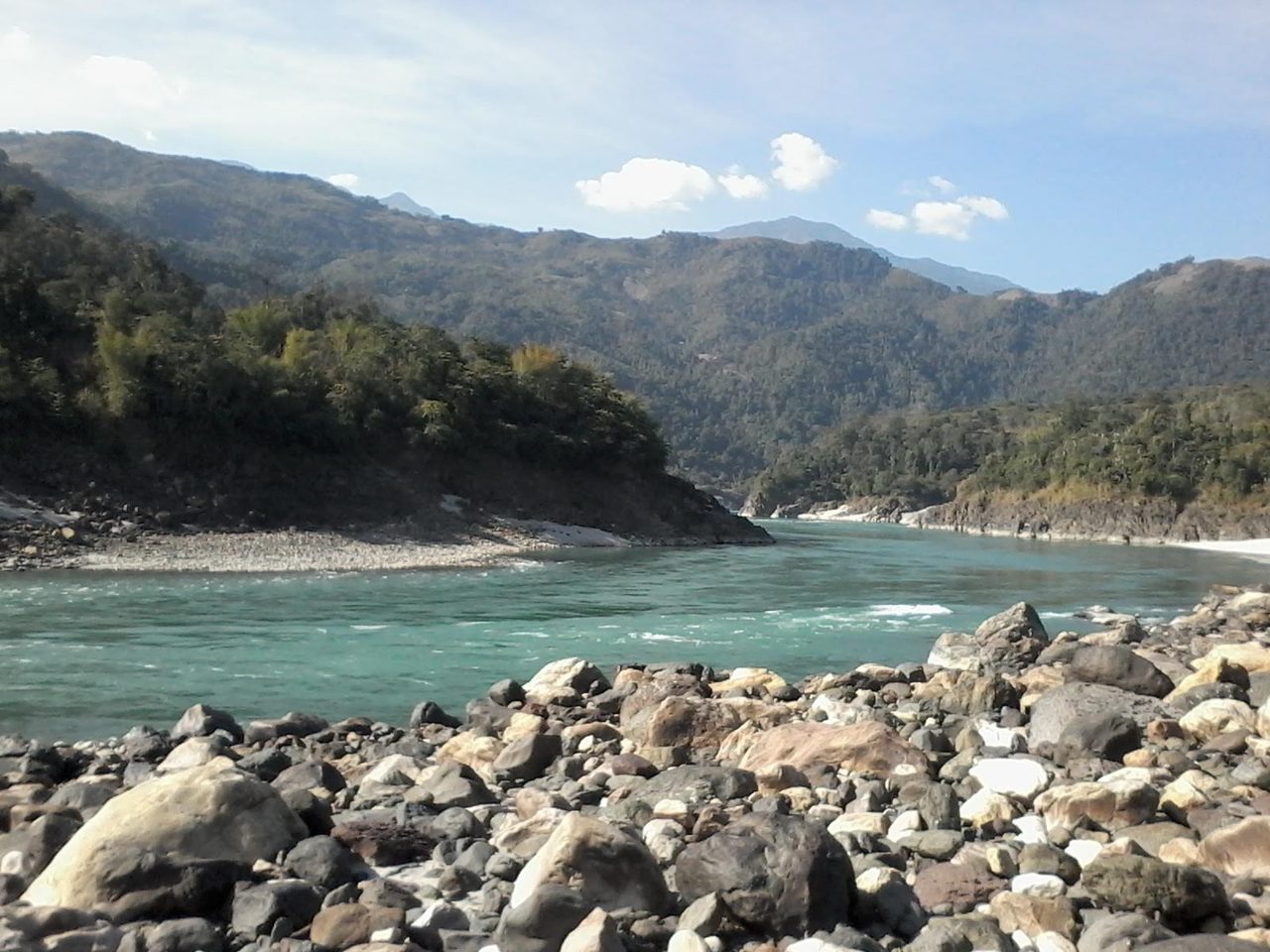
But a strategic case is made in files, and the people who must give up land, fields and a river they call sacred have seen none of them. Their fear is concrete: opponents say 27 villages could be affected. The Adi groups say they are not against hydropower and would consider smaller dams on tributaries. They object to being surveyed first and asked later.
The enrolment problem
The June announcement of a ₹350 crore livelihood programme shows how consent can go wrong. Residents say the enrolment papers were unclear and some signed thinking they were registering for livelihood aid. Upper Siang’s Deputy Commissioner, Ashok Tajo, has himself said the programme and its documents were not adequately explained. A rehabilitation package that people say they signed without understanding cannot be offered as proof of consent, and it is hard to call it “attractive” when its terms were not clear.
Three steps the Centre controls
First, pause the pre-feasibility work in writing, with an end date tied to the start of talks, so villagers do not have to rely on a speech.
Second, publish the pre-feasibility report and the enrolment papers of the ₹350 crore programme, in English and in Adi, so that the benefits, the submergence area and the risks can be examined by the people who live there and by independent engineers.
Third, order the judicial inquiry the groups want into the October 23 events, and ease the armed presence in the districts while talks run. The rule that talks be held without armed personnel is the Forum’s condition. It is also a reasonable one for any talks meant to build trust.
The state government has a part too. Mr Khandu has said no dam will come without consent, while Arunachal East MP Tapir Gao has said it will go ahead regardless. The Centre and the state need one answer, in writing.
Mr Shah has said the road runs through trust. Trust is built by giving something up first. The Centre should stop the survey, open the files and let the valley decide with full information.
The reporting behind this view
- 11,200 MWcapacity of the proposed Siang Upper Multipurpose Project, per the Adi groups' memorandum of November 20, 2026
- 27villages that opponents say could be affected by the dam
- ₹350 crorelivelihood programme announced in June, whose enrolment papers residents say were unclear
The documents
- Union Home Minister Amit Shah presents the President's Colour to Arunachal Pradesh Police in ItanagarPress Information Bureau, Ministry of Home Affairs, November 21, 2026