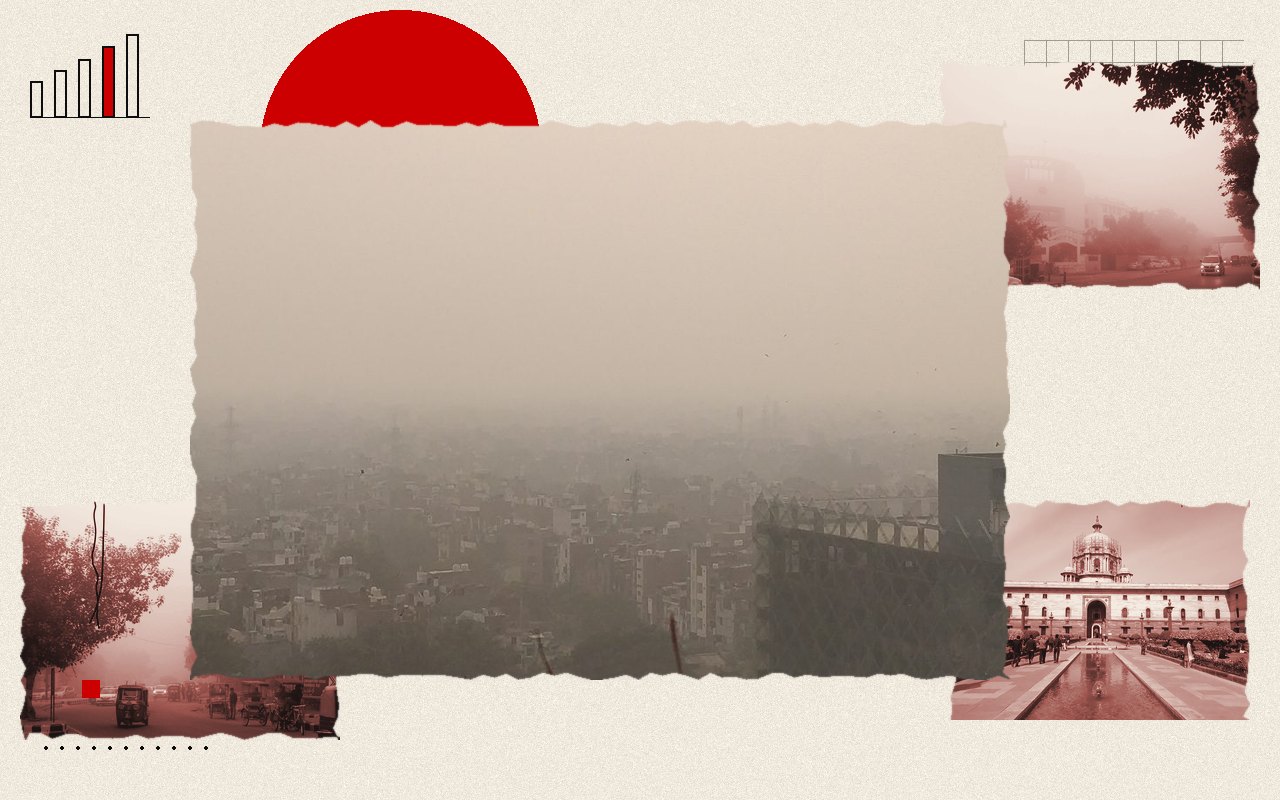
Delhi’s traders have found a place to point. The Chamber of Trade and Industry wrote to Finance Minister Nirmala Sitharaman on Sunday, November 15, asking her to cut GST on air purifiers and HEPA filters from 18% to 5%, and to class them as medical or healthcare devices. Chairman Brijesh Goyal says the purifier “is no longer a luxury, it has become a necessity”. The chamber puts the rise in demand at about fivefold in recent days, with average daily sales per shop going from four units to about 20. Those are the traders’ own estimates, not published data.
The request is reasonable. It is also an admission that the city has stopped expecting its air to be fixed.
The case for the cut
At 18%, tax adds close to a fifth to the pre-tax price of a purifier, and the chamber notes that filters must be replaced roughly every six months. For a family buying one because a child is wheezing, the tax is a recurring cost. If the state can lower the rate on medicines, as Goyal argues, there is a case for the same on a device that people buy for their health. Rates are set by the GST Council, which includes the Union Finance Minister and the states, so a letter to the minister is a request and not a decision. The Council should take it up and give a reasoned answer.
What a tax cut will not do
A lower rate will help the families who were already going to buy a purifier. It will do nothing for the households that cannot, and those are the ones who live nearest the roads and the construction sites. At 8 am on Sunday the Central Pollution Control Board put Delhi’s average at an AQI of 351, still in the very poor band, with IIT Delhi at 426. Two days earlier the city had crossed 402 into the severe band. These are readings from outside every home, and no filter fitted inside a room changes them.
A purifier that works in a closed room also helps nobody on a bus, at a tea stall or on a building site. The people who have to be outdoors the longest are the least likely to own one.
There is a fair objection, too. Some will say that anything which helps even a few homes breathe easier is worth doing now, and that a tax cut costs the Council little. That may be so. But a policy that makes purifiers cheaper while the sources of the smog stay as they are has changed who pays, not what is in the air.
What should come first
First, the money should go where children and patients cannot choose. The chamber has itself asked for ₹500 crore in central aid to put purifiers in government schools, hospitals and Anganwadi centres, and in 100 major markets. That part of the letter deserves a faster reply than the tax request. Whether the sum is right is for the ministry to say, but the priority is right.
Second, Delhi should treat the rate cut and the cleanup as two different files. The Graded Response Action Plan has been in Stage III since November 6, and experts quoted on Sunday said any relief from rain would be temporary unless emissions from vehicles, construction dust, industry and stubble fires are brought down. That is the work no tax cut can replace.
Third, the traders’ other ask, relief for shops hurt by GRAP closures, should be heard on its merits, separate from the purifier demand.
Fourth, if the Council does lower the rate, it should say what it will count as a purifier, so the cut reaches filters meeting a stated standard and not any product with a fan inside it.
Cutting a tax on purifiers is a small act of fairness. Giving a child in a government school clean air to breathe is the larger duty, and it does not belong in a shopping basket.