CourtsSupreme Court
Moving Beant Singh's killer to Punjab would sway polls, IB tells Supreme Court
The court called the Intelligence Bureau's report on Jagtar Singh Hawara 'very damning' and put off his plea for a transfer from Tihar Jail until February.
Key points
- The IB said shifting Hawara to a Punjab jail would have a huge impact on the state elections.
- The bench called the agency's report 'very damning'.
- Hawara's transfer plea will now be heard in February 2027.
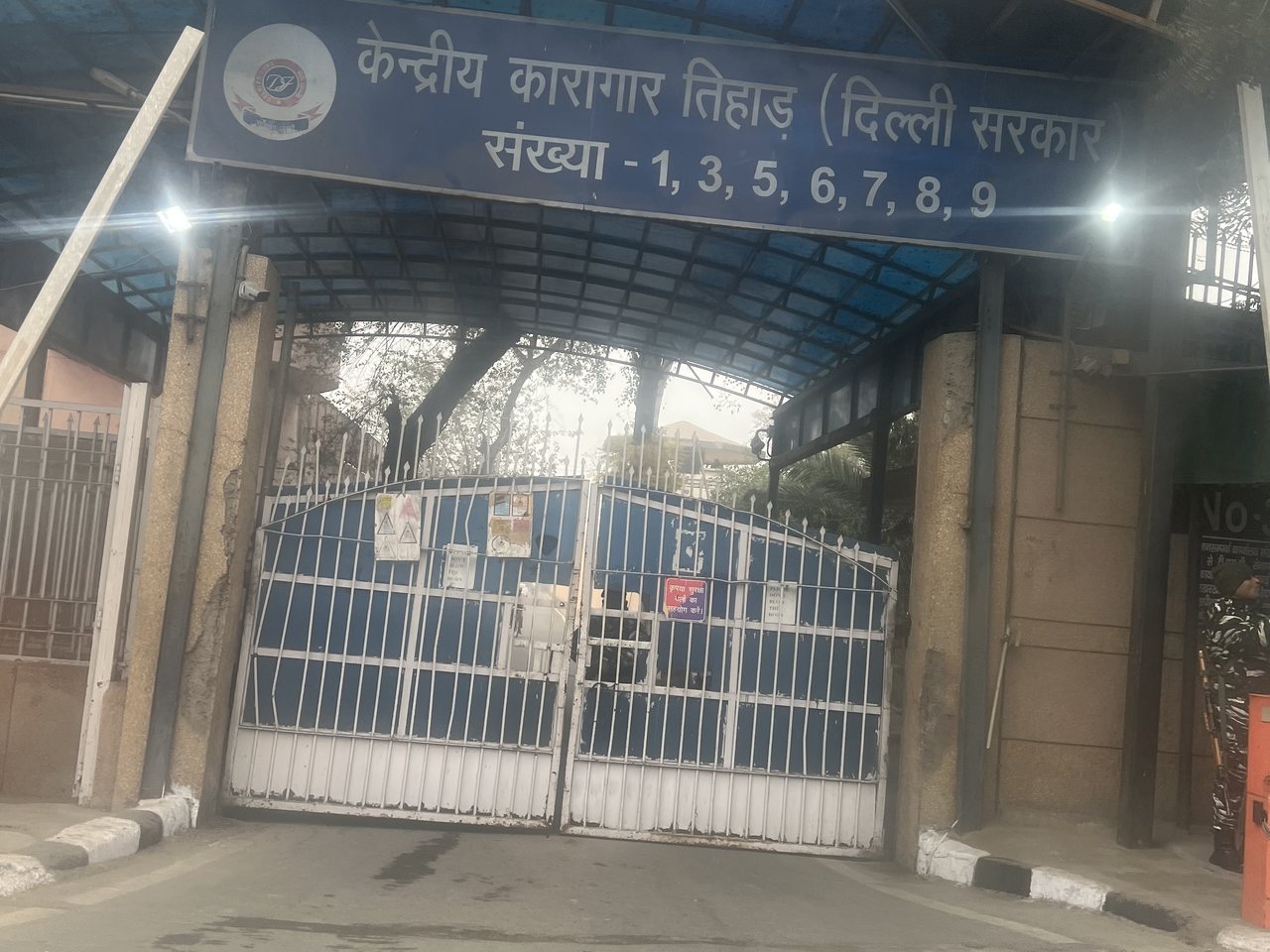
The Intelligence Bureau has told the Supreme Court that moving Jagtar Singh Hawara, serving life for the 1995 assassination of Punjab chief minister Beant Singh, from Delhi’s Tihar Jail to a prison in Punjab would have a huge impact on the state’s elections.
A bench of Justices M M Sundresh and P B Varale, which had earlier asked the Delhi government to obtain the IB’s view, described the agency’s report as “very damning” on Tuesday. The IB placed Hawara in the high-risk category and said he may not be transferred to Punjab.
Two sides in court
Additional Solicitor General Aishwarya Bhati, for the Delhi government, argued that a transfer could raise the risk of escape, citing a Home Ministry advisory on high-risk prisoners. Punjab’s own affidavit warned of trouble for law and order. Bhati reminded the court that Hawara had been convicted for digging a tunnel out of a Chandigarh jail.
Senior Advocate S Muralidhar, for Hawara, said his client’s prison record had been without blemish apart from the 2004 jailbreak, that no case was pending against him in Delhi, and that a co-convict had already been moved from Tihar to Chandigarh. Hawara is from Fatehgarh Sahib district and his daughter lives in Punjab.
“If elections are a concern, this may be taken up after three months.”
The bench did not rule on the transfer and posted the matter to February.
The long road from Burail
Hawara, a Babbar Khalsa member, and three others escaped from Burail Jail in Chandigarh on 22 January 2004 through a tunnel of about 100 feet. He was caught again within two years. A trial court sentenced him to death in 2007; in 2010 the Punjab and Haryana High Court commuted it to life without release. Appeals by both Hawara and the prosecution are still pending in the Supreme Court.