StatesGoa
Goa to move Supreme Court against High Court stay on tribal seat reservation
The state will file a special leave petition by Wednesday, hoping to save four reserved assembly seats for Scheduled Tribes before the 2027 polls.
Key points
- Goa will file a special leave petition by Wednesday.
- The High Court had stopped the notification of ST population figures.
- The stay puts four proposed ST seats for 2027 in doubt.
The Goa government will ask the Supreme Court to lift a Bombay High Court order that has halted the count of the state’s Scheduled Tribe population, the step it needs before it can reserve assembly seats for tribal communities in the 2027 election.
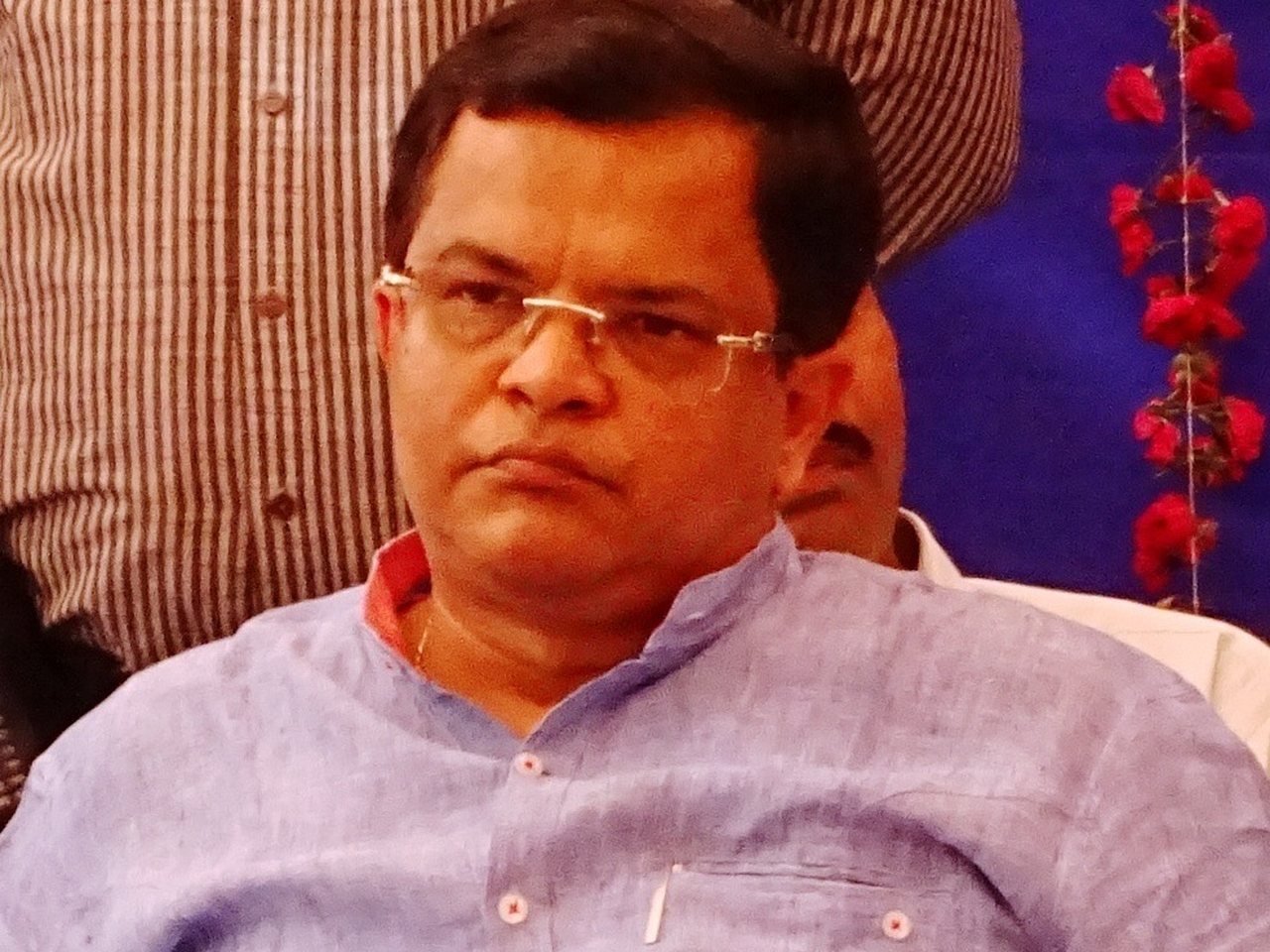
Narendra Sawaikar, the state’s NRI Commissioner, said on Tuesday that the government would file a special leave petition by Wednesday and seek to have the stay vacated. He was part of a delegation, with Assembly Speaker Ganesh Gaonkar and Art and Culture Minister Ramesh Tawadkar, that went to New Delhi on Monday to weigh its legal options.
What the High Court said
Last week a division bench of Justices Valmiki Menezes and Amit S Jamsandekar at the Panaji bench restrained the Census Commissioner from notifying ST population estimates. It said the figures could be fixed only from the first official Census held after 2026.
The bench was hearing a challenge to the Readjustment of Representation of Scheduled Tribes in Assembly Constituencies of the State of Goa Act, 2025, which Parliament passed in August 2025 and which came into force in August 2026.
The judges questioned the Census Commissioner’s assumption that tribals make up 9.9 per cent of Goa’s population, a figure drawn from the 2001 Census. The Kunbi, Gauda and Velip communities were added to the ST list only in January 2003, and the 2001 count had recorded just 566 tribal people in the state.
Why it matters
Political reservation for STs has been a long-standing demand of tribal groups in Goa. The interim order has cast doubt on the plan to reserve four constituencies for STs in the 2027 polls, and the state now hopes the Supreme Court will act quickly enough to keep that plan alive.