WorldWest Asia
Iran says Hormuz could reopen in two days as Rezaei hails change in US tone
Foreign Minister Abbas Araghchi says a plan worked out with Qatari mediators would clear the strait within 48 hours if Washington accepts Tehran's terms, two days before the US midterm vote.
Key points
- Iran says it has a plan with Qatari mediators to reopen Hormuz within two days if the US meets its conditions.
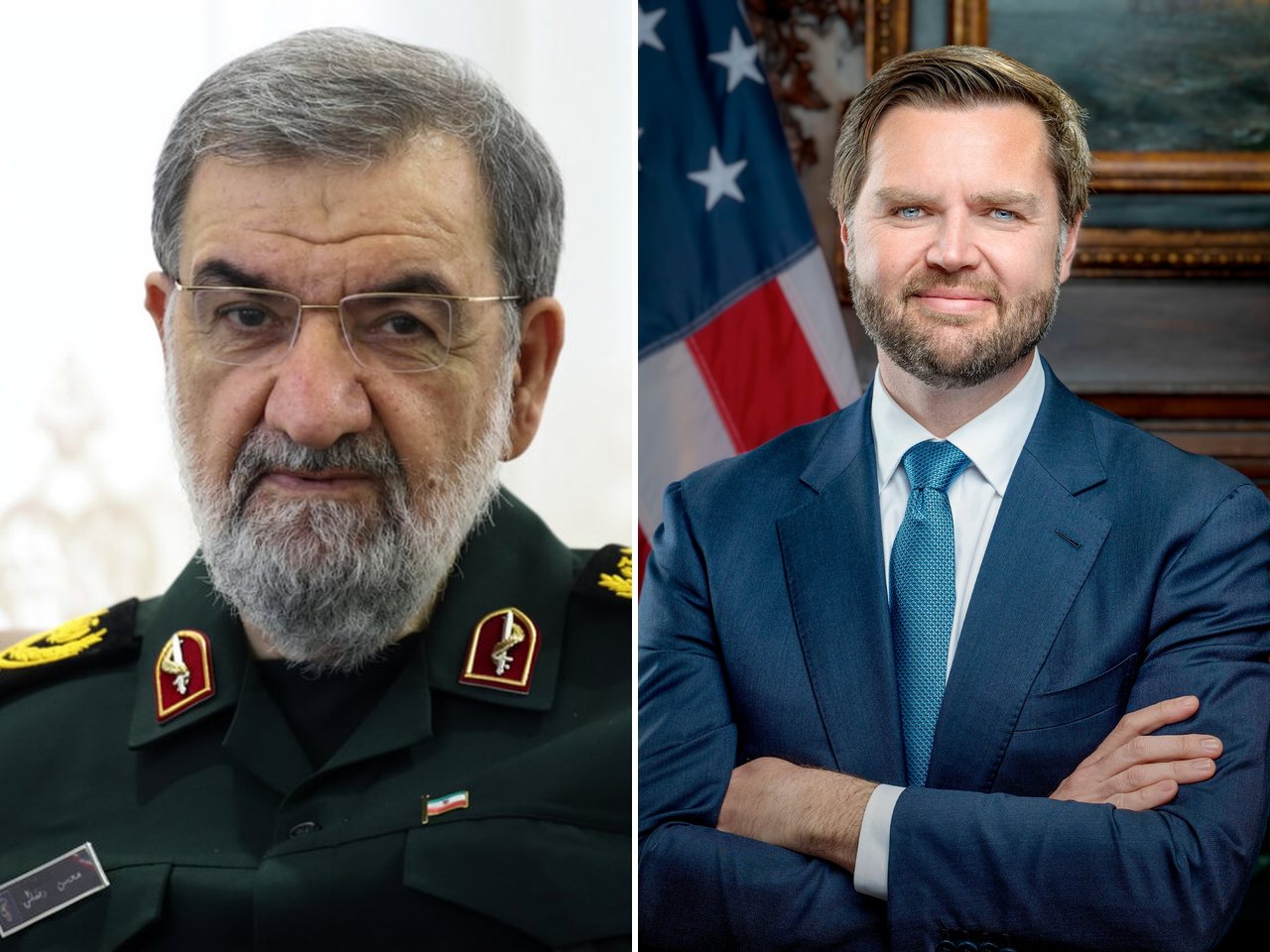
- Security chief Mohsen Rezaei says Washington's tone has changed completely after a letter from JD Vance.
- Supreme Leader Mojtaba Khamenei has ordered a geographically unrestricted response to any new attack.
Iran says it can reopen the Strait of Hormuz within two days under a plan it has worked out with Qatari mediators, provided the United States accepts its conditions. Foreign Minister Abbas Araghchi set out the timetable as an Iranian delegation held talks in Doha, and Iran’s top security official said early on Sunday that Washington’s attitude had shifted.
Mohsen Rezaei, secretary of the Supreme National Security Council, said he had read a letter from US Vice President JD Vance and that Washington’s “tone has changed completely”. He called it a “very positive sign”. Earlier on Saturday he had said he had not yet replied to the letter, and that “no new decision has been made regarding changes to the nuclear doctrine”, while warning that a fresh war could change that.
From seven days to two
The new offer shortens one Tehran made in September, when Araghchi proposed reopening the strait and resuming nuclear talks within seven days. In return Iran wanted the US to lift its naval blockade of Iranian ports, waive sanctions on its oil sales and observe a ceasefire that included Lebanon. President Donald Trump rejected it on 26 September. “I’d like to make a deal, too. But that deal would not be acceptable,” he said then.
Araghchi described a US offer of dialogue as “a positive step” but ruled out a meeting for now. “Currently, there are no plans for meetings with American officials,” he said. Whether talks are direct or indirect will be settled “once Washington agrees to Iran’s conditions”, he added. Qatari and Pakistani mediators met in Doha on Saturday with an Iranian delegation present.
Washington keeps its options open
In Atlanta, where foreign ministers of major economies met for a G20 gathering, Secretary of State Marco Rubio said Trump had not decided whether to resume strikes. “He hasn’t made a decision,” Rubio said. “But we would prefer to do it peacefully.” Trump has pledged no US strikes on Iran before the midterm elections on Tuesday, 3 November.
The US blockade has turned back 144 vessels, up from 138 two weeks ago, according to US Central Command. Treasury Secretary Scott Bessent said “transit levels are back to pre-conflict levels minus Iranian barrels.” Iran’s navy, for its part, said a tanker caught fire after striking sea mines in a prohibited area east of the strait, a claim that could not be checked.
A warning from the supreme leader
Supreme Leader Mojtaba Khamenei, who has not appeared in public since succeeding his father in February, met his senior commanders on Saturday. He ordered that “any level or type of threat must be met with an immediate, impactful and geographically unrestricted response.” Iranian strikes earlier in the war hit more than two dozen US bases in the region; Ali Al Salem Air Base in Kuwait was struck at least 30 times.
Arab governments are pressing for calm. Egypt’s Foreign Minister Badr Abdelatty told the Manama Dialogue in Bahrain that “the second round will be more dangerous, more destructive, and it will lead to nowhere.”
For India, a reopened strait would ease pressure on shipping crews and energy supplies. Indian sailors have been caught in the attacks: two went missing after a drone struck the tanker MT Petro Dolphin off Sohar, Oman, on 11 October, and Rezaei discussed the crisis with National Security Adviser Ajit Doval the next day.