ExplainedEnergy
Energy storage VGF explained: why India is paying ₹14,500 crore to save solar power for the evening
The Union Cabinet on Wednesday cleared viability gap funding for 92 GWh of grid storage, the biggest such round yet, and a separate scheme for lithium and nickel plants. What viability gap funding is, why storage is now the missing piece in India's solar story, and how the money will flow.
The short answer
Viability gap funding is a one-time government grant that covers part of the cost of a project that is worth building but would not pay for itself at prices buyers can afford. India's grid needs storage because solar power floods in at midday while demand peaks after sunset. The Cabinet's ₹14,500 crore scheme, running from 2026-27 to 2030-31, aims to add 92 GWh of storage, 60 GWh from pumped hydro and 30 GWh from batteries, awarded through competitive bidding with a 40% local content rule for batteries. A second ₹2,814 crore scheme will part-fund four lithium and nickel processing plants so that more of the battery chain is built at home.
What did the Cabinet approve?
Two schemes that together try to build India’s battery and storage chain. The first gives ₹14,500 crore in viability gap funding, between 2026-27 and 2030-31, to help build 92 GWh of grid-scale energy storage. That is 170% of the grid-scale storage the country has today. The second, worth ₹2,814 crore over five years, will part-fund plants that process lithium and nickel, the metals that go into batteries.
The storage target is split three ways: 60 GWh from pumped hydro, 30 GWh from battery energy storage systems and 2 GWh from other technologies. The government expects the scheme to draw about ₹97,600 crore of investment.
What is viability gap funding?
A one-time grant that closes the gap between what a project costs and what its buyers can pay.
Some projects are good for the country but do not make money at a price the user can bear. A storage plant is a typical case: if the developer had to recover its full cost from distribution companies, the tariff would be too high for them to sign up. The government steps in and pays a slice of the capital cost upfront, usually as a fixed amount per unit of capacity. The developer then needs a lower tariff to break even, and the project gets built.
Projects are awarded through tariff-based competitive bidding, so developers compete on the price they will charge, with the grant already factored in.
Why does India need storage at all?
Because the sun sets just as demand rises. Solar power, now the fastest-growing source on India’s grid, produces most of its output around midday. Demand peaks later, in the evening, when homes switch on lights, fans and air conditioners. Without storage, cheap midday solar power is sometimes wasted while costlier coal plants have to be kept ready for the evening.
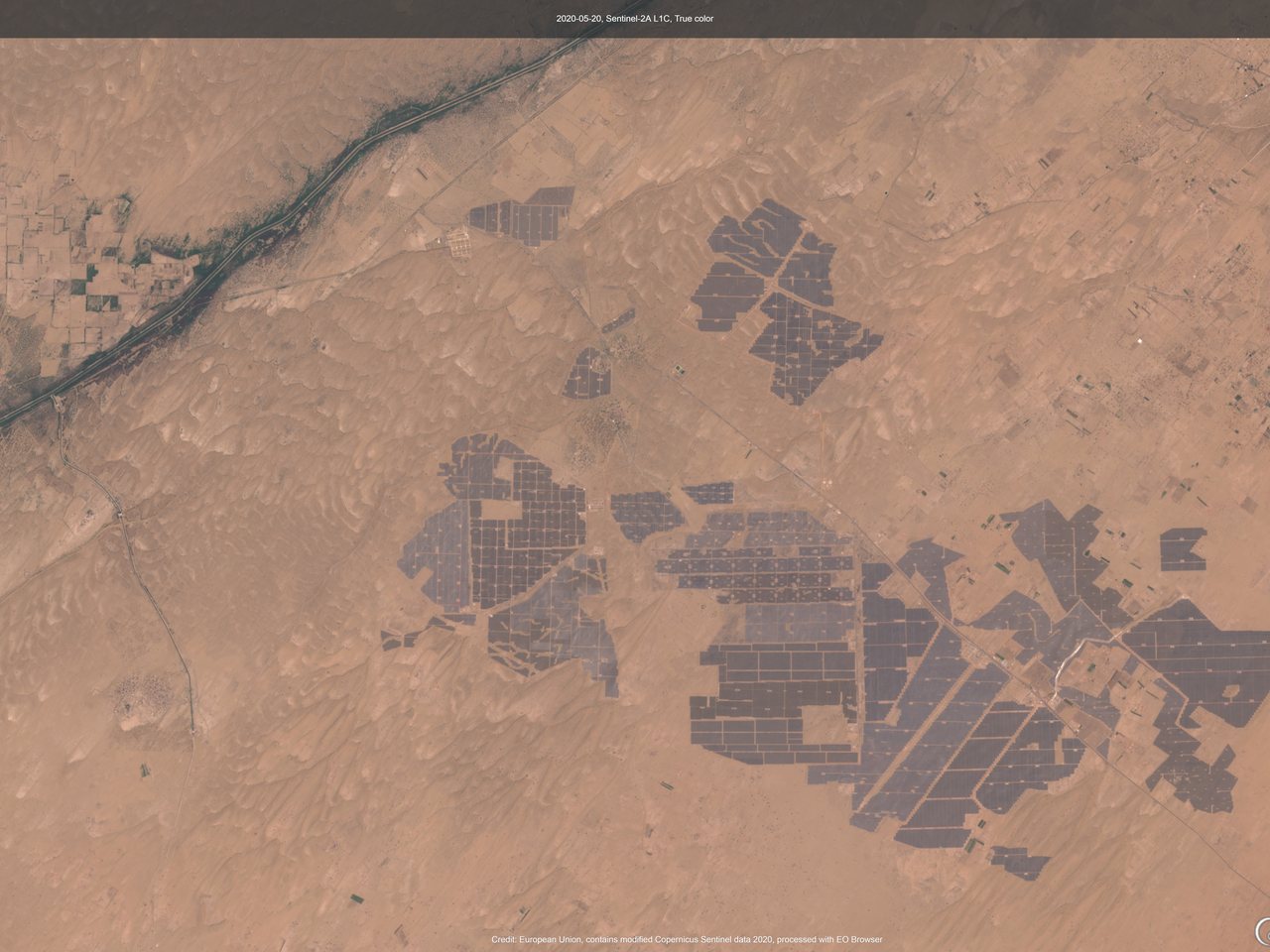
Storage fixes that mismatch by soaking up surplus power when it is plentiful and releasing it when it is needed. Union Power Minister Manohar Lal Khattar put it plainly last year: “BESS is essential, especially to meet peak demand during non-solar hours.” The government now estimates that India will need 411 GWh of storage by 2031-32.
What is the difference between GW and GWh?
One measures speed, the other measures size. A gigawatt (GW) is how much power a plant can deliver at any moment. A gigawatt-hour (GWh) is how much energy it can hold. A battery rated at 1 GW that runs for two hours stores 2 GWh. Storage targets are given in GWh because what matters is how long the stored power can keep the lights on.
Why so much pumped hydro?
Because it can store a lot for a long time. A pumped hydro plant has two reservoirs at different heights. When power is cheap, it pumps water uphill. When demand peaks, it lets the water fall back through turbines. Such plants last for decades and can run for many hours at a stretch, though they take years to build and need the right terrain.
Batteries are quicker to set up and can respond in fractions of a second, which makes them good at steadying the grid over shorter spells. The scheme gives most of the capacity to pumped hydro but keeps a large battery share.
How has the support grown?
From a small pilot to a much larger round. In September 2023 the Cabinet approved its first battery scheme, ₹3,760 crore of budget support for 4,000 MWh, covering up to 40% of each project’s capital cost. “We don’t have the capacity,” the then minister Anurag Thakur said at the time. In June 2025 the Power Ministry added ₹5,400 crore from the Power System Development Fund for 30 GWh of batteries, at ₹18 lakh per MWh.
India's push for grid storage
- September 2023Cabinet approves ₹3,760 crore viability gap funding for 4,000 MWh of batteries
- June 2025Power Ministry adds ₹5,400 crore for 30 GWh of batteries across 15 states and NTPC
- 4 November 2026Cabinet clears ₹14,500 crore for 92 GWh of storage, mostly pumped hydro
- 4 November 2026Separate ₹2,814 crore scheme backs lithium and nickel processing
- 2031-32Government estimates India will need 411 GWh of storage
Who gets the money and on what terms?
Distribution companies, public and private, for battery and pumped hydro projects. Public and private firms can also win support for projects using other technologies. Battery projects must meet a minimum 40% domestic content requirement, so a large part of the equipment has to be made in India. The official statement said this would strengthen “India’s domestic energy storage manufacturing ecosystem”.
Where do lithium and nickel come in?
Batteries need them, and India refines very little of either. India still relies heavily on imports for refined, high-purity lithium, nickel and cobalt. The new processing scheme will pay a capital subsidy of 30% for two lithium plants of at least 30 kilotonnes each and two nickel plants of at least 50 kilotonnes each, capped at ₹500 crore and ₹900 crore a plant.
As with storage, the bidders who ask for the least support will win, and the money will be released in three instalments as milestones are met. Read together, the two decisions aim to build the chain from refined metal to battery cell to a grid that can keep solar power flowing after dark.