OpinionOur view
A mock Parliament cannot try the Election Commissioner. The real one should, and Amit Shah has offered it
The INDIA bloc 'impeached' Gyanesh Kumar at Mallikarjun Kharge's home on Saturday. A day earlier the Home Minister said he was ready to call a special session on the charges. Both sides should be held to their words, and the Election Commission should bring its data.
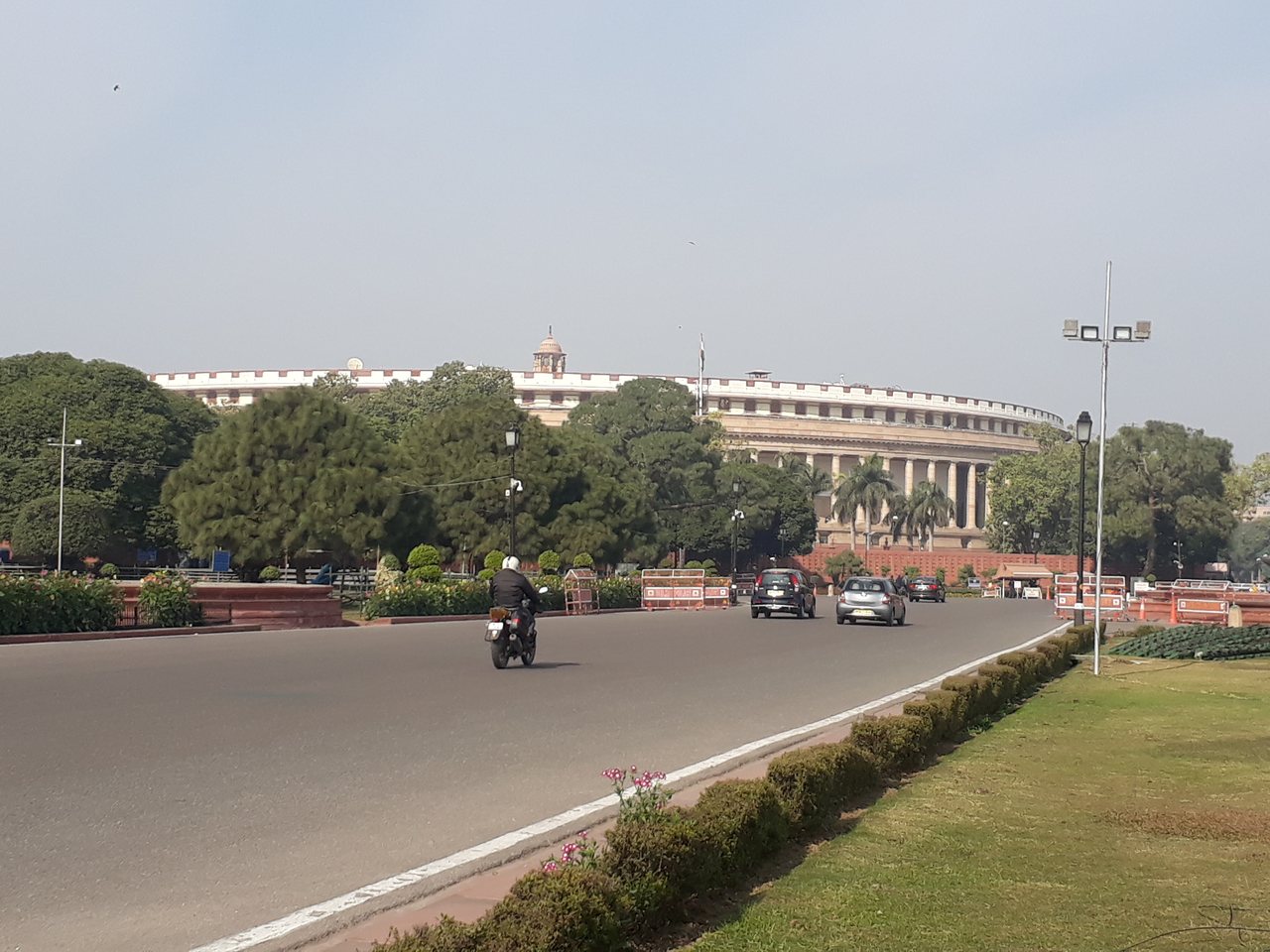
On Saturday, at Mallikarjun Kharge’s residence at 10 Rajaji Marg, 21 opposition parties sat as a Parliament that does not exist and passed a resolution that binds no one. With former Speaker Meira Kumar in the chair, they “impeached” Chief Election Commissioner Gyanesh Kumar on six charges, the gravest being that he presided over the deletion of 13.2 crore voters in the Special Intensive Revision. Rahul Gandhi said the bloc had been “left with no choice”.
It is easy to dismiss the event as theatre, and the BJP did. But theatre is what a serious grievance turns into when every real door is shut. The more useful question is how to open one.
A door has just been offered
The answer was given, perhaps without meaning it, by the Home Minister. Speaking in Lucknow on Friday, Amit Shah said: “I am ready to call a special session... But Rahul Baba will never agree.” He called the charges against the Commission baseless and said the opposition preferred drama on the streets.
Mr Shah should be taken at his word. And the opposition, which has spent weeks saying it is not allowed to be heard, should say yes before the offer cools. A debate on the floor of the House, with ministers answering and the record kept, is worth more than any number of mock sittings and rallies, including the one at Ramlila Maidan today.
Why the real route has been closed
The Constitution protects the Chief Election Commissioner for good reason. Under Article 324(5) he can be removed only in the way a Supreme Court judge can: an address passed by a majority of each House’s total membership and two-thirds of those present and voting, on grounds of proved misbehaviour or incapacity. The bar is meant to be high. No government should be able to sack the umpire because it dislikes a ruling.
But the first step is supposed to be easy. In March, 130 Lok Sabha and 63 Rajya Sabha members signed notices to begin removal proceedings, far more than the law requires. In April the Speaker and the Rajya Sabha Chairman refused to admit them. No public reasons were given beyond a reference to the Judges (Inquiry) Act. A notice backed by 193 MPs deserved an explanation, even if it was to be turned down. Its absence is part of why the opposition is now holding mock sittings at a party leader’s home.
The fair objection
There is a real case against all this. The deletion figures are the opposition’s own, and it has not shown that 13 crore lawful voters were struck off rather than the dead, the duplicated and those who moved. The Commission says its decisions were unanimous. A special session may simply give both sides another stage to shout from, and the numbers in Parliament mean no removal motion would pass.
All true. But a debate is not only a vote. It is a place where questions must be answered on the record, and that is exactly what has been missing.
What should happen now
First, the government should fix a date for the special session and not attach conditions to it. If it does not, Mr Shah’s offer will be remembered as a taunt.
Second, the opposition should accept, and come with evidence: named constituencies, sample lists of deleted voters it says were wrongly removed, and the people themselves.
Third, the Election Commission should not wait to be asked. Before any debate it should publish, constituency by constituency, how many names the SIR removed and on what ground each was removed: death, shifting, duplication or failure to respond. It should also make public the written notes of dissent by Election Commissioners Sukhbir Singh Sandhu and Vivek Joshi that have been reported, as we argued in October.
Fourth, the presiding officers should in future give written reasons whenever they refuse a removal notice signed by the required number of members.
An Election Commission that is confident of its work loses nothing by showing it. Parliament loses a great deal when the country’s biggest dispute about the vote is argued everywhere except inside it.
The reporting behind this view
- 21opposition parties at Saturday's mock Parliament, which adopted a six-point resolution against the CEC
- 193MPs who signed removal notices in March, refused admission by the Speaker and Chairman in April
- 13.2 crorevoters the opposition says were deleted in the SIR; the Commission has not accepted the figure