OpinionOur view
Delhi has finally acted before the smog. Now the curbs must be fair, enforced and backed by buses
From today older vehicles from outside the city are barred, offices run at half strength and parking costs double. Acting on the calendar is the right instinct. But a ban that reads the number plate rather than the exhaust, and asks commuters to give up their cars without saying what replaces them, will not last the winter.
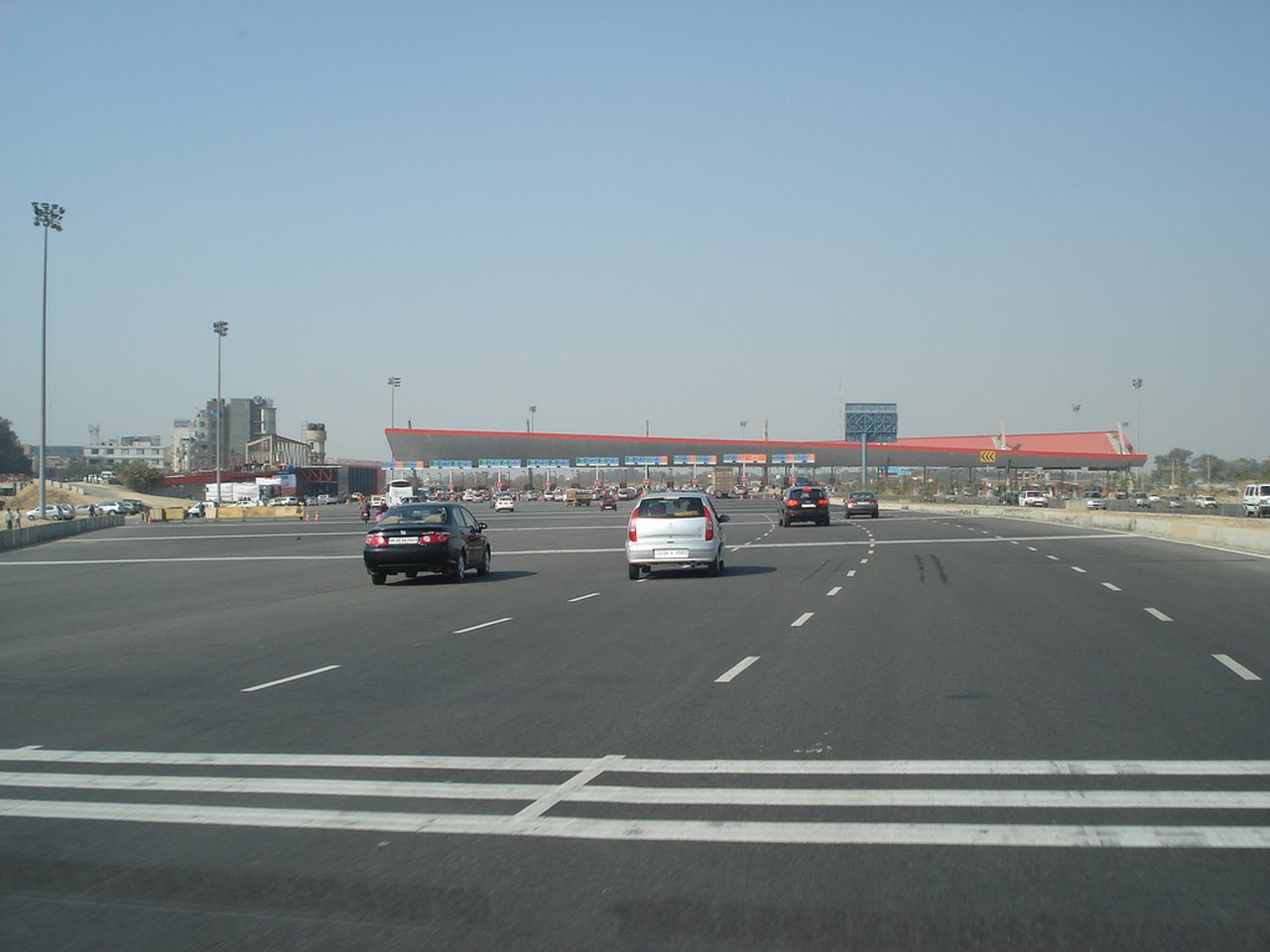
Eleven days ago, this newspaper argued that Delhi’s bad air arrives on schedule every October and that the government should act on the calendar rather than wait for the alarm. From midnight, it has. Vehicles registered outside the city that do not meet BS-VI emission standards are barred until 31 January. Offices have been told to keep half their staff at home, dusty construction has stopped, and parking at authorised lots costs twice as much, except at Metro stations.
That deserves credit. For years the city’s response has been a reflex, switched on only after the haze had settled. A package announced in October, with fixed dates and cameras to enforce it, is a different and better habit.
But a plan that has to survive three months of inconvenience must also be fair and workable. In two important ways, this one is not yet.
A ban that reads the number plate
The vehicle rule applies only to what is registered outside Delhi. A BS-IV car from Gurugram or Ghaziabad cannot enter; a BS-IV car registered in Delhi can drive past it. The two exhausts are the same. The air does not check the address on the registration certificate.
The burden falls heavily on people who live in the satellite towns and work in the capital. By one estimate more than 10 lakh vehicles in the NCR fall short of BS-VI.
There is a defence. Delhi can regulate its own fleet in other ways, and it has the power to stop vehicles at its borders in a way it cannot inside every lane. Transporters had notice, too: a year ago the government allowed BS-IV goods vehicles from outside a transitional window only up to 31 October 2026. But if the aim is cleaner air rather than fewer outsiders, the test should be the emission standard, applied to every vehicle on Delhi’s roads.
What replaces the car?
Chief Minister Rekha Gupta has asked residents to “reduce non-essential use of personal vehicles, prioritizing public transit and carpooling instead.” That is reasonable advice. It is also advice that only works if the transit is there. The winter plan speaks of more electric buses, better Metro links and last-mile transport, but gives no numbers, routes or dates.
A commuter from Faridabad whose car is now barred needs to know which bus to take, from where, and how often it runs. Feeder buses from the border points to the nearest Metro station, starting this week, would do more for compliance than any number of e-challans.
The office rule raises a similar question. Half-strength attendance is easy to order and hard to check, especially in private firms. Unless the government says how it will be monitored, it will hold in government buildings and fade everywhere else.
What the government should do
First, extend the emission test to Delhi-registered vehicles for the same period, so that the rule is about pollution and not about origin.
Second, publish, this week, how many extra buses will run, on which routes from the NCR, and at what frequency, and ask the neighbouring states to match them from their side.
Third, issue a monthly public report of what was enforced: vehicles stopped and fined, building sites sealed, offices inspected, alongside the city’s air quality readings. If the curbs work, the numbers will show it. If they do not, Delhi deserves to know before the plan is repeated next year.
Acting early was the hard part. Making the rules fair, and giving people a way to follow them, is what will decide whether they hold until January.
The reporting behind this view
- 31 Jandate until which non-BS-VI vehicles from outside Delhi are barred and offices run at 50% attendance
- 10 lakh+vehicles in the NCR estimated to fall short of BS-VI standards
- 2xparking fees at authorised lots until 28 February, with Metro lots exempt