ExplainedConstitution
The Ninth Schedule explained: what Shivakumar is asking Modi for, and how much shelter it gives
Karnataka's Chief Minister has written to the Prime Minister to put the state's 56% SC/ST quota law into the Ninth Schedule. What the list is, how a law gets on it, and why courts can still look inside it.
The short answer
The Ninth Schedule is a list attached to the Constitution whose laws were meant to be safe from challenge for violating Fundamental Rights. It began in 1951 to protect land reform laws and now holds about 284 entries. Since a nine-judge bench ruled in I R Coelho (2007), a law added after April 24, 1973, can still be struck down if it breaks the basic structure of the Constitution. A law gets on the list only through a Constitutional Amendment, so Karnataka's request needs Parliament's special majority.
What is the Ninth Schedule?
It is a list at the back of the Constitution of laws that were meant to be beyond the reach of the courts. Behind it sits Article 31B, which says that no law placed in the schedule can be held void because it takes away or abridges a Fundamental Right.
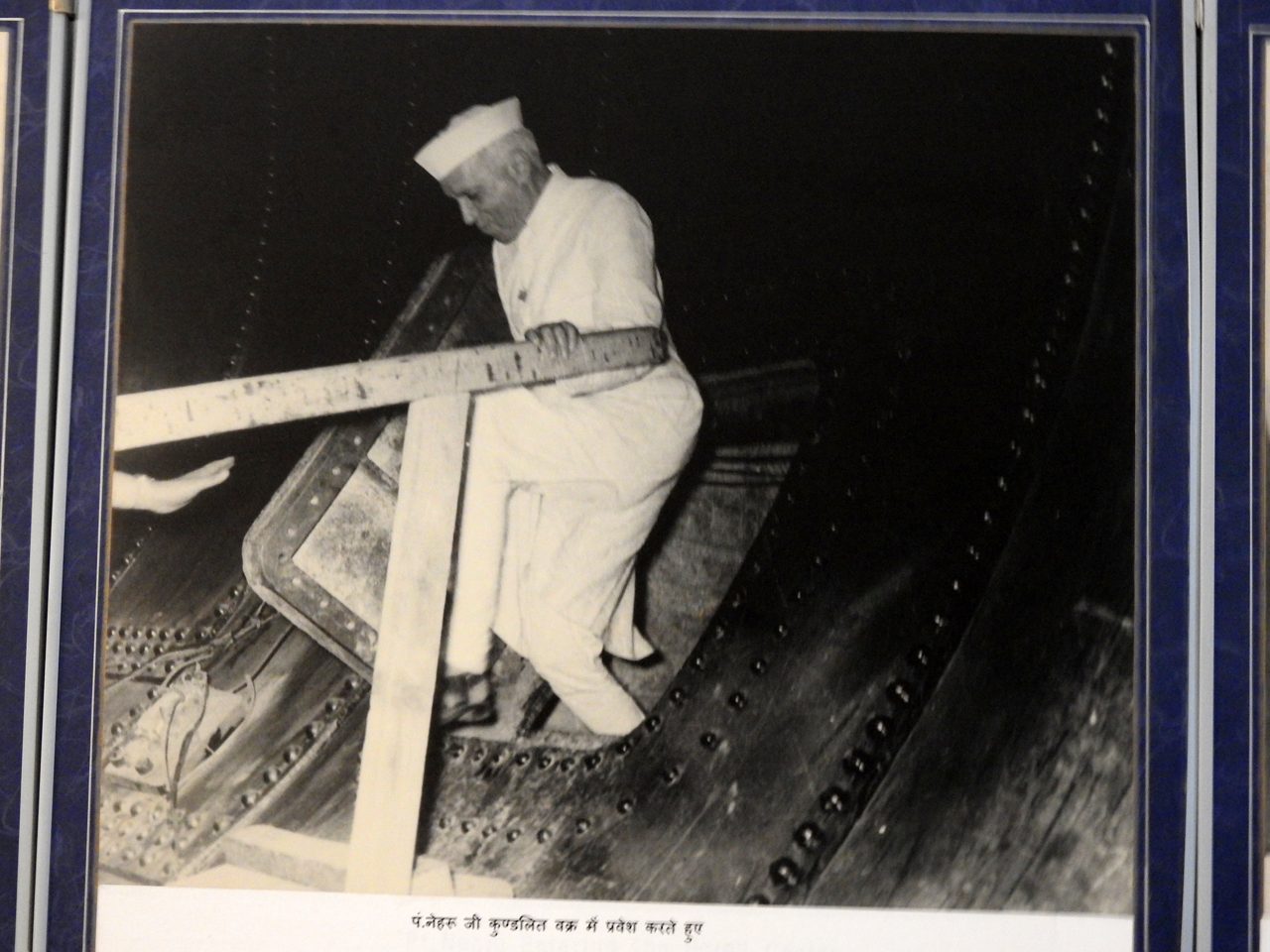
The schedule did not come with the Constitution in 1950. It was added by the First Amendment in 1951, under Jawaharlal Nehru’s government, after courts struck down state land reform laws for breaching the right to property. The schedule started with 13 laws, almost all of them state land reform statutes. It now holds about 284 entries, and most of them are still state laws.
Why does Karnataka want its quota law on it?
Because the High Court struck the law down on October 12, 2026. The 2022 Act raised Scheduled Caste reservation in Karnataka from 15% to 17% and Scheduled Tribe reservation from 3% to 7%, taking the total to 56%, above the 50% ceiling the Supreme Court set in 1992. The High Court held that the state had crossed the ceiling without the exceptional justification required.
On November 14 Chief Minister D K Shivakumar wrote to Prime Minister Narendra Modi asking him to start a Constitutional Amendment Bill to place the Act in the schedule. He pointed to Tamil Nadu, whose 69% reservation law was added by the 76th Amendment in 1994 as Entry 257A, and said Karnataka deserved no less constitutional attention. The state has also filed an appeal in the Supreme Court and is pursuing both routes together. Our report on the letter has the details, and our explainer on the 50% ceiling covers the case law.
How does a law get on the list?
Only by amending the Constitution. The schedule is part of the Constitution, so Parliament has to pass a Constitutional Amendment Bill under Article 368, by a majority of the whole House and at least two thirds of the members present and voting, in both the Lok Sabha and the Rajya Sabha, before the President signs it.
That is why the decision is political, not judicial. The state can ask, the Assembly can pass a resolution, as Karnataka’s did on December 18, 2025, and a Chief Minister can write letters. Only the Union government can bring the Bill. On July 25 it told the Lok Sabha that inclusion was not appropriate while the matter was before the High Court. That ground is gone now that the High Court has ruled, but the Centre has not said what it will do.
Is the shelter complete?
No, and it has not been for a long time. The courts first accepted the schedule’s protection, then narrowed it in three steps.
How the courts narrowed the Ninth Schedule
- 1951First Amendment adds the schedule with 13 land reform laws
- 1973Kesavananda Bharati: Parliament cannot alter the basic structure of the Constitution
- 1980Waman Rao: laws added before April 24, 1973, stay immune; later ones can be reviewed
- January 11, 2007I R Coelho: a nine-judge bench confirms that later additions are open to challenge
- 1994Tamil Nadu's 69% reservation law added as Entry 257A
In Kesavananda Bharati in 1973 the Supreme Court held 7 to 6 that Parliament can amend the Constitution but cannot destroy its basic structure, and that judicial review is part of that structure. Waman Rao later drew the line at April 24, 1973: laws put in the schedule before that date keep their immunity, while those added later are open to review.
The last word is the I R Coelho case. On January 11, 2007, a nine-judge Constitution Bench held that a law added after April 24, 1973, can be challenged if it violates the basic structure, tested against rights such as equality under Article 14, the freedoms under Article 19 and life and liberty under Article 21. A law the Court has already upheld in such a test cannot be challenged again.
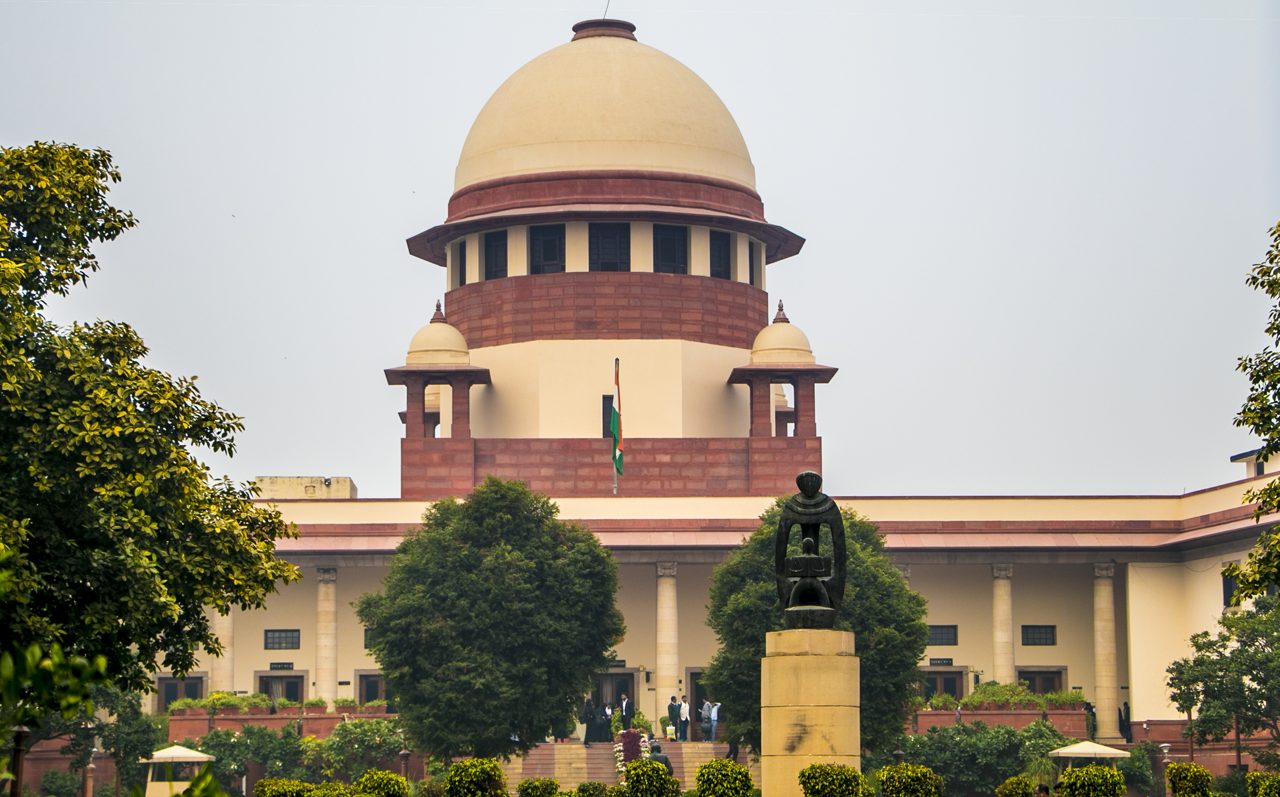
What would this mean for the quota?
It would not make the quota safe by itself. The Court would still be free to ask whether a 56% total, set against a ceiling it fixed in 1992, harms the equality principle. Tamil Nadu’s 69% law is the example the state quotes, but it was added in 1994, after the April 1973 cut-off, so it too can be tested.
There is a second point. Karnataka’s High Court also looked at whether the National Commissions for Scheduled Castes and Tribes were consulted, as Articles 338 and 338A require. Shivakumar’s letter asks the Centre to consult them, which speaks to that defect.
What happens next?
Two things have to happen, and neither has a date. The Supreme Court must admit Karnataka’s appeal and decide whether to stay the High Court order. And the Union government must decide whether to bring an amendment.
Until one of them moves, the old 15% and 3% quotas apply in Karnataka in practice. The wider lesson of the Ninth Schedule is that it is a door Parliament can open but the courts can still look through.