Key points
- Chief Minister D K Shivakumar has asked the Prime Minister to add Karnataka's 2022 SC/ST reservation law to the Ninth Schedule.
- He wants the Centre to begin a Constitutional Amendment Bill and consult the National Commissions for SCs and STs.
- He cites Tamil Nadu's 69% quota, placed in the Ninth Schedule in 1994, and says Karnataka deserves equal attention.
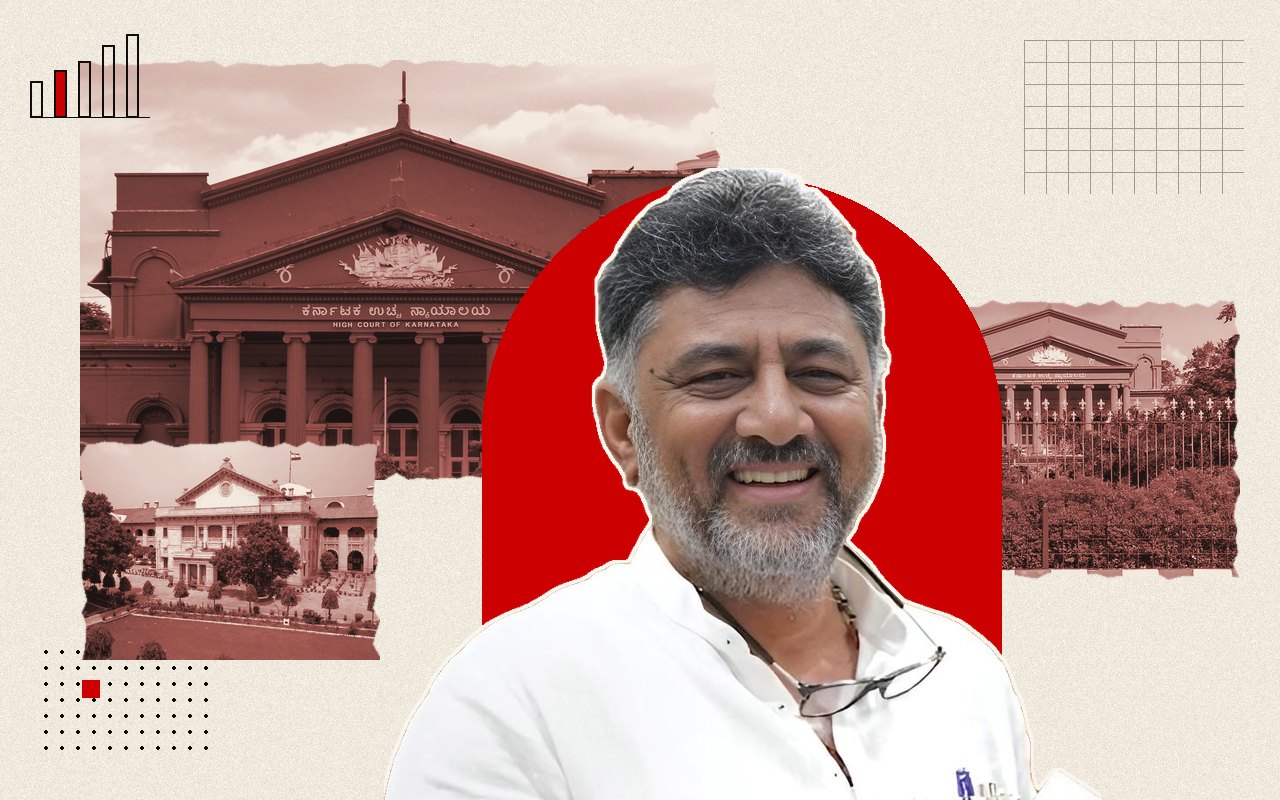
Karnataka Chief Minister D K Shivakumar has written to Prime Minister Narendra Modi asking him to intervene personally and have the state’s 2022 reservation law for Scheduled Castes and Scheduled Tribes placed in the Ninth Schedule of the Constitution. The letter was reported on Saturday, November 14, 2026.
Shivakumar asked the Prime Minister to treat the matter “as one of national constitutional importance”. The law raised SC reservation from 15% to 17% and ST reservation from 3% to 7%, taking total reservation in the state to 56%, above the 50% ceiling that the courts have applied.
What the letter asks for
The Chief Minister has made four requests. He wants the Prime Minister to start the process for a Constitutional Amendment Bill. He wants the Centre to consult the National Commissions for Scheduled Castes and Scheduled Tribes. He asks the Ministries of Law and Justice, Social Justice and Empowerment, Tribal Affairs and Home Affairs to carry out a coordinated review within a fixed time. And he has offered the state’s own data and full cooperation.
The Ninth Schedule is the list of laws that are shielded from most judicial review. Shivakumar pointed to Tamil Nadu, whose 69% reservation was placed there in 1994 through the 76th Amendment. Karnataka’s request, he wrote, “deserves no less constitutional attention”.
The case Karnataka makes
The letter leans on the population data. According to the 2011 Census, Scheduled Castes were 17.15% and Scheduled Tribes 6.95% of Karnataka’s people, set against the new quotas of 17% and 7%. The earlier percentages, 15% and 3%, had not changed for nearly seven decades, since 1958.
The increase followed the recommendation of a commission headed by retired High Court judge Justice H N Nagamohan Das, which also recommended Ninth Schedule protection. The state first sent its proposal to the Union government on March 23, 2023.
How the demand reached this point
The request has been repeated several times and has so far not been taken up.
The Ninth Schedule request
- March 23, 2023Karnataka sends its proposal to the Union government
- December 18, 2025The Legislative Assembly passes a resolution for inclusion
- April 16, 2026Then Chief Minister Siddaramaiah writes to the Prime Minister
- July 25, 2026The Centre tells the Lok Sabha inclusion is not appropriate while the matter is before the High Court
- October 12, 2026The High Court strikes down the enhanced quotas
- November 14, 2026Shivakumar writes to the Prime Minister
The Centre’s reply in the Lok Sabha on July 25 acknowledged the request but said that adding the law to the Ninth Schedule was not considered appropriate at that stage because the High Court was still hearing the matter. That ground has now changed, since the High Court has decided the case.
The High Court ruling
On October 12, the Karnataka High Court struck down the enhanced provisions. It held that the state had crossed the 50% ceiling without the exceptional justification the law requires, and it also examined whether the state had consulted the National Commissions for SCs and STs, as Articles 338(9) and 338A(9) require. Shivakumar’s request for consultation with those commissions speaks to that second point.
The state is also fighting the verdict in court. As we reported on November 11, it has filed an appeal in the Supreme Court, and the government has said it will pursue both routes together: the legal appeal and the constitutional amendment.
Why it matters
The quota decides how seats in colleges and posts in government service are shared. Karnataka has said it approved filling 56,432 vacancies in February, and the court’s interim arrangement had required appointments under the higher quota to be marked as subject to the final decision. Until either the Supreme Court or Parliament acts, the old 15% and 3% quotas stand in practice.
An amendment placing a state law in the Ninth Schedule needs Parliament’s approval by a special majority. The Union government has not said whether it will act on the letter, and no response from the Centre or from the opposition parties was available on Saturday evening.
The question also touches other states. Courts have lately struck down quotas above the 50% mark elsewhere, including Madhya Pradesh’s 27% OBC quota.
What happens next
The Supreme Court has to admit Karnataka’s petition and decide whether to stay the High Court order; no hearing date has been reported. On the political side, the next step is the Prime Minister’s reply, and whether the Centre is willing to bring a Constitutional Amendment Bill in a coming session of Parliament. The state’s Legislative Assembly passed a resolution in favour of inclusion on December 18, 2025.