ExplainedNuclear arms control
New START explained: what the Shenzhen declaration says about nuclear weapons, and what it leaves out
Trump, Xi and Putin agreed on November 19 that a nuclear war must never be fought and promised a dialogue on nuclear risks, nine months after the last US-Russia limits expired. What New START capped, why China is the sticking point, and what India should watch.
The short answer
New START was the last treaty limiting US and Russian strategic nuclear weapons, at 1,550 deployed warheads each, and it expired on February 5, 2026 with no successor. On November 19, 2026, the leaders of the US, China and Russia issued a joint declaration in Shenzhen saying a nuclear war cannot be won and must never be fought, and agreeing to hold a dialogue on reducing nuclear risks and preventing proliferation. The declaration sets no date, format or treaty, so it restores a statement of principle, not a limit on any warhead.
The Shenzhen declaration of November 19 is the first thing the leaders of the United States, China and Russia have signed together on nuclear weapons. It is short on commitments. To see how much it changes, it helps to start with the treaty whose absence it answers.
What was New START?
It was the last treaty that put a number on US and Russian long-range nuclear arsenals. It came into force in 2011 for ten years, and in February 2021 the two sides extended it by five more. Each country was capped at 1,550 deployed strategic warheads, at no more than 700 deployed missiles and bombers, and at 800 launchers in all, deployed and stored.
The numbers were only half of it. The treaty let each side send inspectors at short notice to the other’s nuclear bases, required regular exchanges of data on every system covered, and set up a commission that met at least twice a year. That visibility meant neither capital had to guess what the other was building.
Why did it lapse?
Russia stopped taking part in 2023, and neither side renewed it. Moscow suspended the treaty in February 2023 and ended inspections and commission meetings, while saying it still kept to the central limits. Washington says Russia had been out of compliance since 2022, and it too withheld its data and denied Russian inspectors access.
In September 2025 Putin offered that both sides keep to the limits for a year after expiry. Trump did not take it up, saying in January that if the treaty expired, it expired, and the US would look for a better deal. New START ended on February 5, 2026, leaving the two largest arsenals under no agreed ceiling.
What did the three leaders agree in Shenzhen?
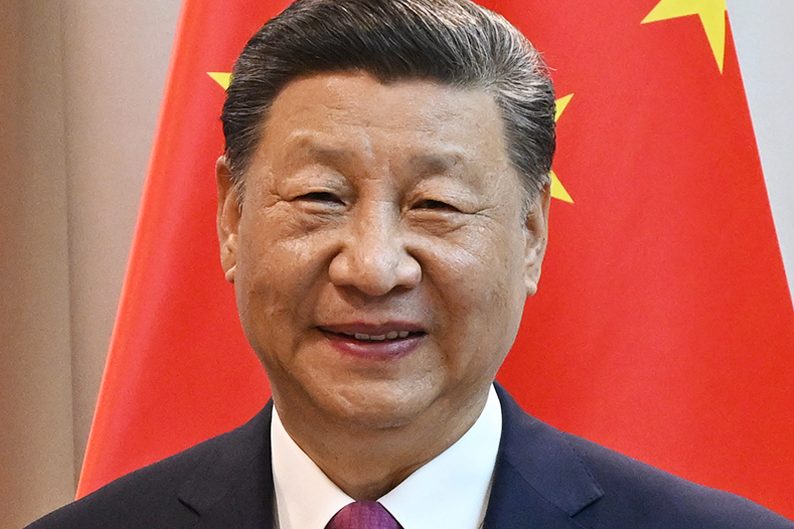
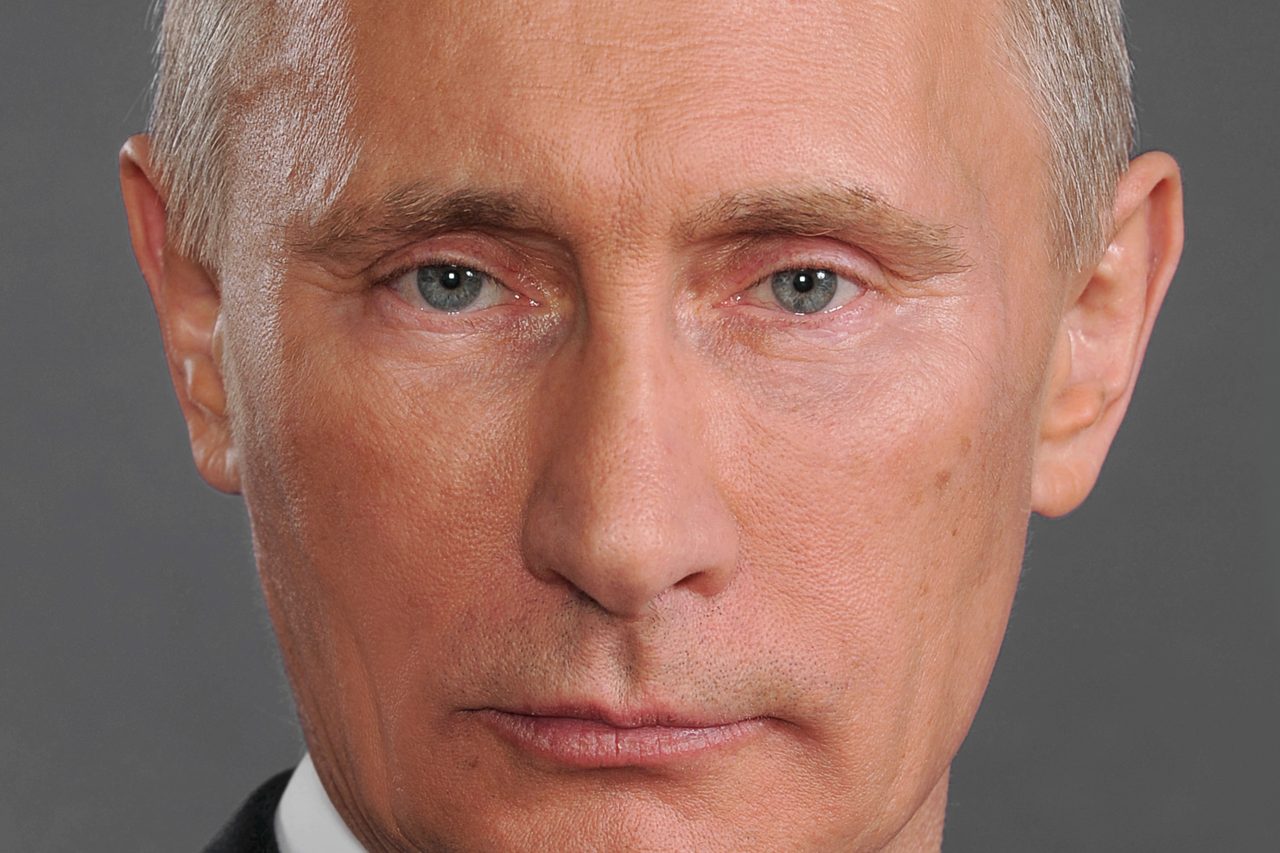
They agreed on a principle and a dialogue, not on any limit. After talks of about 70 minutes on the sidelines of the APEC summit, the leaders released a joint declaration. It says a nuclear war cannot be won and must never be fought, and commits the three countries to a dialogue on reducing nuclear risks and preventing the spread of nuclear weapons.
It then goes in other directions. The declaration also pledges to push UN reform, to raise supplies of fuel products for all countries, and to uphold immunity for state officials in international courts, a point that touches the arrest warrant issued against Putin by the International Criminal Court, which Moscow rejects. It does not mention the war in Ukraine or the conflict with Iran.
Trump said the three countries are uniquely placed to reduce global stockpiles and later called the meeting bigger than Yalta. Putin rejected the comparison and said the summit codified existing reality, adding that the declaration sets no ambitious goals and compels no one. Xi said that when major powers clash, the world falls into turmoil, and called for nuclear weapons to be banned and destroyed. Wang Yi said China will keep up working-level coordination.
Why is China the sticking point?
Because it is the third arsenal, and the one that is growing. The US Defense Department put China’s stockpile at about 600 warheads in December 2025, close to three times its 2020 size, and has projected about 1,000 by 2030. That is still a fraction of what Washington and Moscow hold, which is why Beijing argues it should not be asked to cap itself until they cut deeply.
Washington’s view is the opposite: any new deal that leaves out the fastest-growing arsenal is not worth having. Trump has pushed for a three-way treaty and China has rejected the idea. The declaration papers over this by promising a dialogue without saying who sits at the table, what it covers or when it starts. Arms control specialists called the reaffirmation positive but said the world needs action on disarmament, not only words.
What it means for India
India is outside the three-way format but inside the arithmetic. SIPRI estimates India’s arsenal at up to 190 warheads, and that of Pakistan, its neighbour and rival, at about 170. China, its largest border and strategic competitor, is the country whose build-up the talks are about. A trilateral agreement that held Beijing’s numbers down would ease one of India’s long-term worries; a breakdown that set off a three-way race would raise it.
India’s own position is set out in its doctrine of no first use and a minimum credible deterrent, and it has not joined any treaty that caps its stockpile. New Delhi has issued no reaction to the declaration so far. The wider diplomatic effect matters too: a US-Russia-China channel that works on nuclear risk, and on oil and the wars the three powers are tied to, changes the environment in which India makes its choices.
What to watch next
The first test is whether the dialogue gets a date. Look for a named venue, a level of officials and a list of topics, and for whether the US and Russia say they will observe the old 1,550 limit while talks go on, as Putin once offered. Trump is due to speak in Washington on Friday, and the G20 summit at his Florida resort, a few weeks away, is where he is expected to meet Xi and possibly Putin again. Until one of those steps happens, the world’s two biggest arsenals remain without a treaty ceiling and without inspectors.
The documents
- US and Russia exit New START treaty, triggering fears over global nuclear stabilityAll India Radio, February 5, 2026