OpinionOur view
Threatening lenders with murder cases is not a drought policy. Maharashtra must stop coercive recovery in writing
Eknath Shinde's anger after a Nanded farmer was found dead in a finance firm's office is understandable. But farmers in 304 drought-hit tehsils need a notified pause on recovery, rules that are enforced and relief that reaches them, not a slogan.
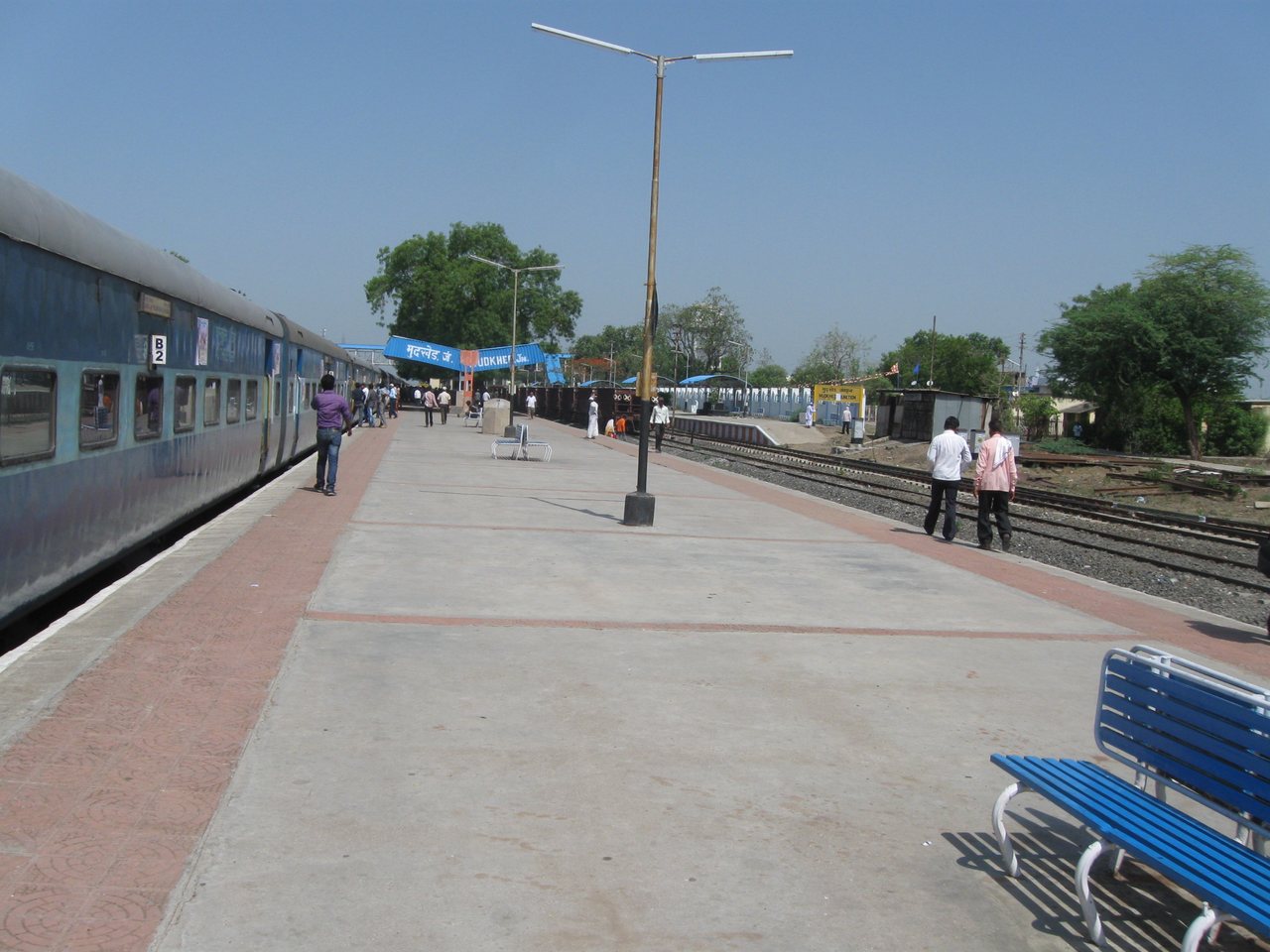
Chandrakant Shinde owned two acres in Mudkhed tehsil of Nanded district. His family says he had borrowed Rs 10,000 from a private finance firm, which was demanding Rs 70,000 back. On 22 October, they say, men from the firm took him from his village. Two days later he was found hanging inside the firm’s office in Nanded. His mother and daughter allege he was confined, beaten to death and hanged to make it look like suicide.
The police have registered a case of murder and kidnapping, arrested four men and set up a special investigation team. That is how it should be. If the family’s account is borne out, this was not a loan recovery gone wrong. It was a killing.
The warning in Wadi Budruk
On Sunday, at a hospital inauguration in the same district, Deputy Chief Minister Eknath Shinde turned the case into a warning to every lender in the state. “Microfinance companies, banks and moneylenders should not harass the farmers who are in distress,” he said. “If any farmer dies by suicide due to harassment, murder cases will be registered.”
The anger is right. Maharashtra has declared drought in 304 of its 358 tehsils this kharif season. In Marathwada alone, the divisional commissioner’s office counted 465 farmer suicides in the first six months of this year, 61 of them in Nanded, after 1,131 in 2025. Families who have lost a crop do not need a recovery agent at the door.
But the promise itself does not hold up. A suicide driven by harassment is already a crime under the law on abetment, and the police can and should use it. Murder is a different charge that needs proof of a killing. Promising murder cases in advance, for every death, is the kind of line that courts throw out and that makes it harder to secure the convictions that matter. It also leaves the farmer exactly where he was: alone with a lender, until something terrible happens.
The fair objection
Lenders have a point too. Small finance firms and microfinance companies lend where banks often will not, and they lend to the same households now in trouble. If every lender in a drought district fears a criminal case, the easiest choice is to stop lending there altogether. That would push farmers towards the unregistered moneylenders who are hardest to police.
That is a reason to make the rules clear, not to leave them vague.
What the state should do
First, Maharashtra should notify a pause on loan recovery in every drought-declared tehsil, in writing, for a fixed period, and make it bind banks, cooperative societies, finance companies and microfinance lenders alike. Ministers have already told cooperative banks to stop coercive recovery and said similar steps for private lenders are under way. A spoken instruction is not enough; a notified order can be shown to an agent at the door.
Second, the rules that already exist should be enforced. The Reserve Bank of India bars lenders and their agents from intimidation or harassment “of any kind, either verbal or physical”, and from calling borrowers before 8 am or after 7 pm. Its microfinance rules cap a household’s loan repayments at half its monthly income. A lender found breaking these rules should be reported to the RBI by the district administration. A lender without any licence should be prosecuted under the state’s own moneylending law.
Third, every complaint of harassment should be logged at the police station or a district helpline and answered within days, with one named officer responsible in each tehsil. Chandrakant Shinde’s family had nobody to call who was bound to act.
Fourth, relief must move faster than the debt. The ₹5,000 advance paid before Diwali was meant as a start. The crop-loss surveys should be finished and paid out, and bank loans in drought tehsils restructured, before the next instalment falls due.
A farmer in Mudkhed should not have to die for the state to notice how he was being treated. Rules, not threats, are what keep the next one alive.
The reporting behind this view
- Rs 10,000the loan Chandrakant Shinde's family says he took; they say the firm demanded Rs 70,000
- 304 of 358Maharashtra tehsils declared drought-hit this kharif season
- 465farmer suicides recorded in Marathwada from January to June 2026, 61 of them in Nanded