OpinionOur view
Seventy years of linguistic states proved the doubters wrong. Their lesson is that India holds together by consent
Karnataka and Keralam turn 70 today, born on the day the States Reorganisation Act came into force. The map drawn on language did not break India, as many feared. It still leaves unfinished business, and a lesson about how the Union should handle the next demand.
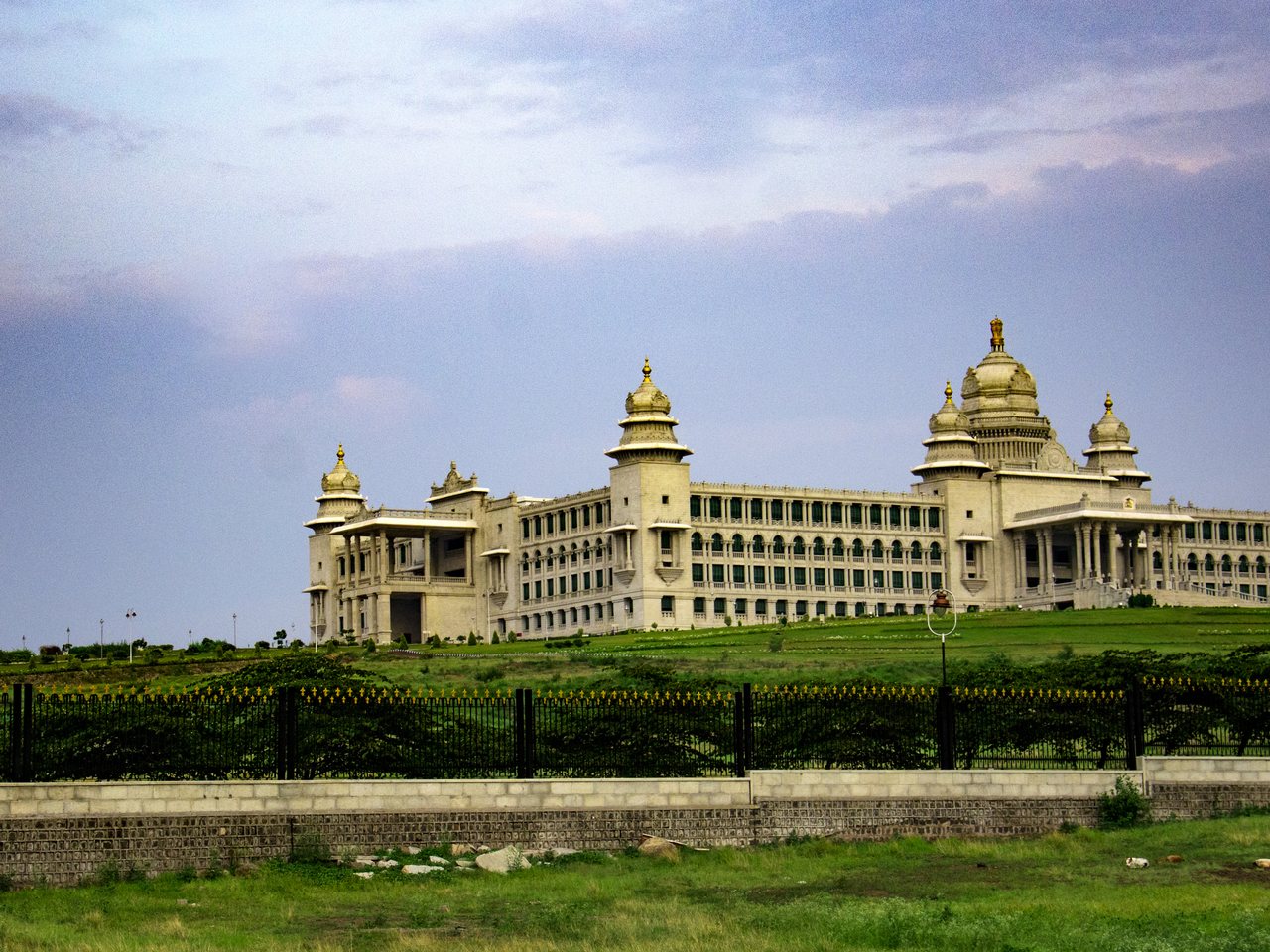
Karnataka celebrates its 70th Rajyotsava today, and Keralam turns 70. Madhya Pradesh marks its foundation day too, and Haryana turns 60. The coincidence is not an accident of the calendar. On 1 November 1956 the States Reorganisation Act came into force and India was redrawn into 14 states and six Union Territories, very largely along the lines of the languages people spoke.
It is worth remembering how unwelcome that idea once was in New Delhi.
A map the leaders did not want
In 1948 the Dhar Commission advised against drawing states mainly on language, preferring administrative convenience and finance. A Congress committee of Jawaharlal Nehru, Vallabhbhai Patel and Pattabhi Sitaramayya set the linguistic principle aside in 1949, citing the need for unity and security so soon after Partition. The fear was real: that states built around language would put loyalty to language above loyalty to the country.
What changed the government’s mind was not a white paper. Potti Sreeramulu fasted for a Telugu-speaking state and died on 15 December 1952. Andhra State was created within a year, and a commission under Fazl Ali, with H N Kunzru and K M Panikkar, was set up to look at the whole map. Its report led to the 1956 Act. Bombay was split into Maharashtra and Gujarat in 1960, and Punjab and Haryana in 1966, each after its own agitation.
How India was redrawn
- 1948Dhar Commission advises against making language the main basis for states
- April 1949Nehru, Patel and Sitaramayya committee sets the linguistic principle aside
- 15 Dec 1952Potti Sreeramulu dies fasting for a Telugu-speaking state
- 1 Oct 1953Andhra State created from Madras State
- 30 Sep 1955States Reorganisation Commission submits its report
- 1 Nov 1956States Reorganisation Act in force: 14 states and six Union Territories
- 1960 and 1966Bombay split into Maharashtra and Gujarat; Haryana carved out of Punjab
- 2004Maharashtra takes the Belagavi dispute to the Supreme Court
What seventy years showed
The doubters were wrong. Linguistic states did not pull India apart. They gave people governments that spoke their language, schools and courts that worked in it, and a pride in Kannada, Malayalam or Telugu that has sat comfortably beside being Indian. Many of the country’s best-run states are the ones drawn on this map. The Union became stronger by accepting a difference it had first tried to put off.
That is the lesson worth carrying forward: India holds together by consent, not by insisting on uniformity. It applies whenever the Centre is tempted to settle questions of language from the top, whether over which languages children must learn or how a state names itself.
Unfinished business
The 1956 map is not finished. Maharashtra has claimed 814 villages and towns in Belagavi, Karwar and Nippani since the reorganisation. The Mahajan Commission found for Karnataka. Maharashtra took the dispute to the Supreme Court in 2004, and Karnataka still contests its right to bring the case at all. “Jurisdiction has to be decided first,” Chief Minister Siddaramaiah said in January. A border row that still flares up, as it did with attacks on buses in February 2025, deserves an answer, starting with a ruling on that threshold question.
The fair objection
There is an argument for leaving the map alone. Reopening borders invites new agitations, and later states such as Chhattisgarh, Jharkhand, Uttarakhand and Telangana were drawn on grounds other than language. Every concession, critics say, breeds the next demand.
But the history runs the other way. Demands that were refused did not disappear; they returned as fasts, riots and deaths, and were then conceded in haste. The better course is a standing commission that hears claims for new states and border changes on evidence, in public and on a timetable, so that no one has to die to be heard.
Seventy years ago India chose to trust its people with their own languages. It was a good bet. The Union should keep making it.