OpinionOur view
Commercial gas is 77% dearer than a year ago. Small eateries need tax relief, and the black market needs watching
A third straight rise has taken the 19-kg cylinder to ₹2,820 in Delhi. The war in the Gulf is not the government's doing, but the 18% GST on top of it is, and so is the job of stopping household cylinders from leaking into kitchens they were never meant for.
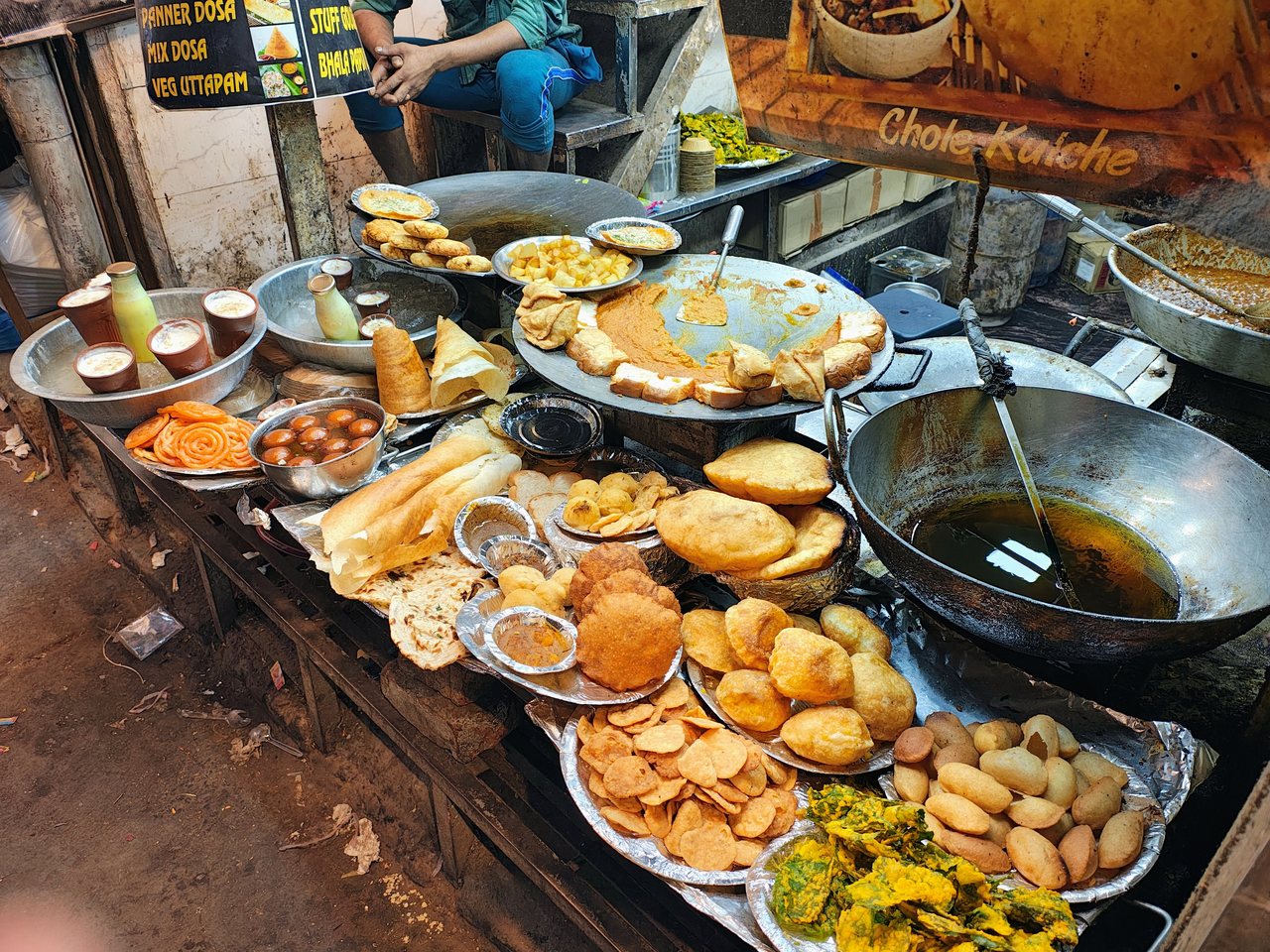
The cylinder that keeps India’s dhabas, sweet shops and tea stalls running went up again on Sunday. The 19-kg commercial LPG cylinder now costs ₹2,820 in Delhi, ₹10 more than last month and ₹82 more than in August. In Kolkata the rise was ₹17. Each step looks small. Put together, they are not: a year ago the same Delhi cylinder cost ₹1,590.50, so a small eatery is now paying about 77% more for the gas it cooks on.
Most of this is not New Delhi’s doing. Commercial LPG follows the monthly contract price set by Saudi Aramco, which raised propane by $40 a tonne for November, and the Strait of Hormuz remains shut. Oil companies are hardly profiting either: BPCL alone had a ₹17,334 crore shortfall on LPG by the end of September. Nobody can wish the Gulf war away.
But two parts of the problem are within the government’s reach.
The tax on top
The first is tax. Household LPG carries 5% GST. Commercial LPG used by hotels, dhabas and restaurants carries 18%. Inside a ₹2,820 cylinder that is roughly ₹430 of tax. Most restaurants pay GST on their own bills at 5% without input tax credit, so they cannot set the 18% they pay on gas against anything. For a roadside dhaba below the registration threshold, it is simply a cost, and it ends up on the customer’s plate.
The Centre can afford to look at this. Gross GST collections in October were ₹2.31 lakh crore, up 22.9% on a year earlier, announced on the same day as the price rise. The GST Council should cut the rate on commercial LPG to 5% for as long as the Hormuz disruption lasts, with a date to review it. At today’s price that would take about ₹300 off a cylinder.
The reporting behind this view
- ₹2,820price of a 19-kg commercial cylinder in Delhi from 1 November, against ₹1,590.50 a year ago
- 18%GST on commercial LPG for hotels and restaurants, against 5% on household cylinders
- ₹148 vs ₹66cost of a kilo of commercial and household LPG in Delhi at Sunday's prices
The gap that feeds a black market
The second is enforcement. At Sunday’s prices a kilo of commercial gas costs about ₹148 in Delhi; a kilo from a household cylinder costs about ₹66. When the same fuel sells at more than twice the price depending on the colour of the cylinder, the temptation to run a restaurant kitchen on household cylinders is obvious. Such diversion is against the rules, and it is dangerous, because cylinders get refilled and moved by people with no stake in their safety. The wider the gap grows, the more the oil companies and state supply departments should be checking eateries, especially in the weeks before Diwali, when sweet makers burn the most gas.
The fair objection
There is a fair case against any relief. Cutting tax for businesses means less money for states, which share GST. Price signals are meant to push users to save fuel. And a concession given in a crisis is hard to take back.
That is why the cut should be temporary and tied to the disruption, not open-ended. It is also why the money matters less than it seems: ₹300 a cylinder is a small sum for the exchequer and a large one for a family-run eatery buying several cylinders a month.
The government cannot control the price of propane in the Gulf. It does control the tax it adds on top, and whether household cylinders end up in commercial kitchens. It should act on both before the next monthly revision on 1 December.