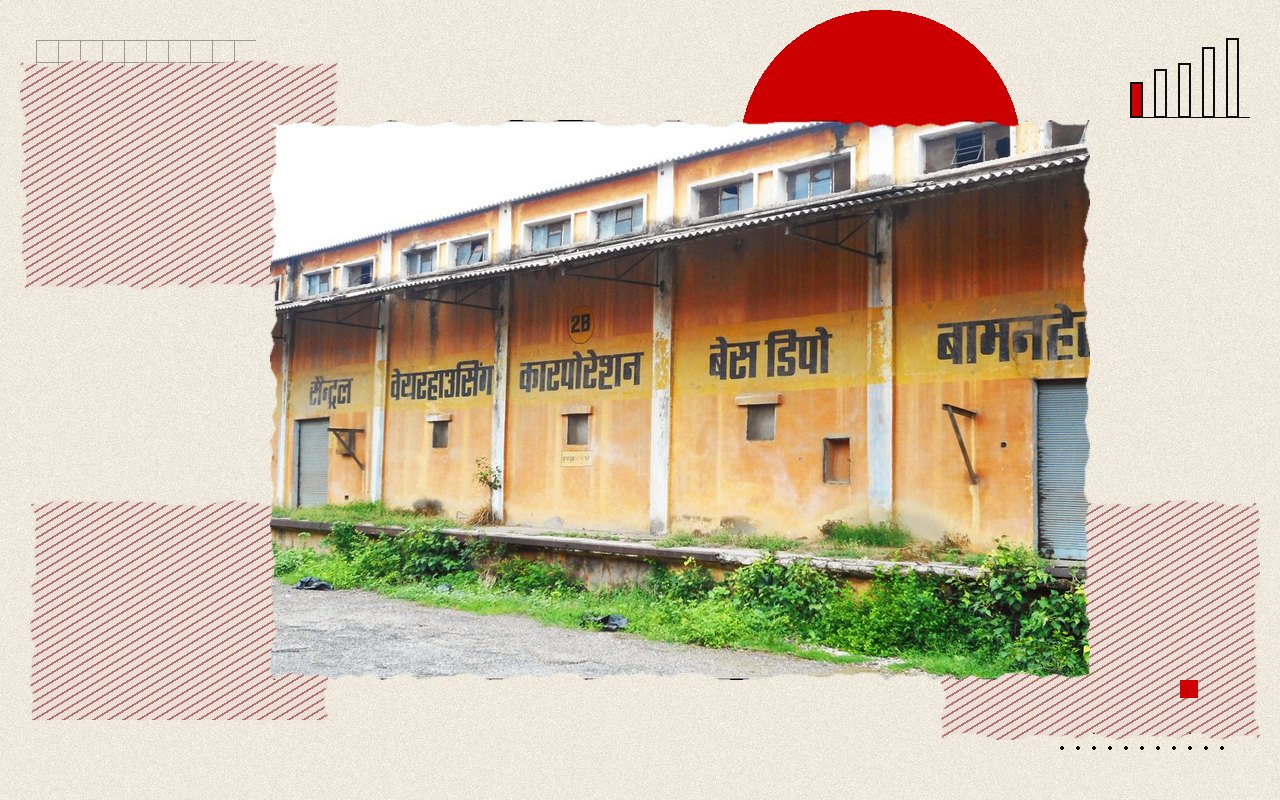
A special CBI court in Mohali has convicted 14 officials of the Food Corporation of India and 16 rice millers of conspiracy and cheating. They passed substandard rice from the 2004-05 season as Grade-A at three procurement centres in Punjab’s Sangrur district, Malerkotla, Sunam and Tapa. The sentences, handed down on Friday, November 13, run from one to three years.
It is right that the verdict came. It is also a verdict that tells the wrong story about how India guards its grain.
Twenty-one years
The CBI’s joint surprise checks found the problem in September 2005. The agency registered its case in January 2006 and filed three chargesheets in November 2008. Then came another 18 years before a court gave its verdict. A person who was a young technical assistant at a Sangrur centre when that rice was accepted is now in middle age, perhaps retired. The reports of the verdict do not say how many of the 14 convicts are still serving.
The fines add up to about ₹5.35 lakh across all 30 people. No report states the loss the corporation suffered, and the court’s full judgment will show whether it was ever quantified. Set against 21 years of effort by the CBI, the prosecution and the court, the penalty looks small. Nobody who handles grain today will read it as a warning.
What the delay costs
The rice that failed its lab tests was bought with public money. The Food Corporation buys paddy and milled rice from Punjab’s millers each season, and its stocks supply the public distribution system. Whoever accepts bad rice at the gate is deciding, in effect, what the poorest card-holders will be given later.
Delay damages this in three ways. It lets the people responsible grow old, retire and in some cases die before they answer for it. It makes witnesses and records harder to produce. And it teaches the next batch of inspectors and millers that the risk of being caught is small and the risk of being punished is smaller still.
The fair objection
India’s courts are overloaded, and the CBI’s special courts handle many serious cases at once. A conviction after 21 years is still a conviction, and the accused also have the right to appeal to the High Court. Nobody should ask judges to rush a trial at the cost of its fairness.
But the right to a fair trial and the right to a trial within a reasonable time are the same right. A case that was chargesheeted in 2008 and registered for trial under 2017 case numbers, as the reports state, has spent years waiting for a courtroom, not weighing evidence.
What should change
First, the FCI should publish the results of its quality checks by procurement centre: how many consignments were tested, how many failed, and what happened to each. A quality check nobody outside the corporation can see is a check that can be set aside.
Second, the corporation should say how much it lost in this case, whether it has recovered any of it, and what it did about the 14 officials at the time. Departmental action should not wait for the verdict of a criminal court.
Third, procurement-fraud trials need a time-bound schedule from the High Court and the CBI, with a clear list of cases pending for more than a decade and a date for each to conclude.
Fourth, millers whose rice fails should be listed and barred from the next season at once, not after two decades.
From the checks to the verdict
- September 2005CBI joint surprise checks; rice samples fail lab tests
- January 7, 2006CBI registers the case
- November 28, 2008Three chargesheets filed, one for each centre
- November 13, 2026Special CBI court in Mohali convicts 30
Grain that is declared good when it is not is a theft from the people who eat it. The state’s answer should come while someone can still be made to answer.