OpinionOur view
The Supreme Court has rerun last Diwali's cracker experiment. This time the results must be made public
Green crackers are back in Delhi-NCR for two evenings, under rules almost identical to those that failed to stop a smoky morning-after in 2025. The court's order is careful on paper. Whether it was worth repeating will depend on enforcement that the police and pollution boards must now show, not assert.
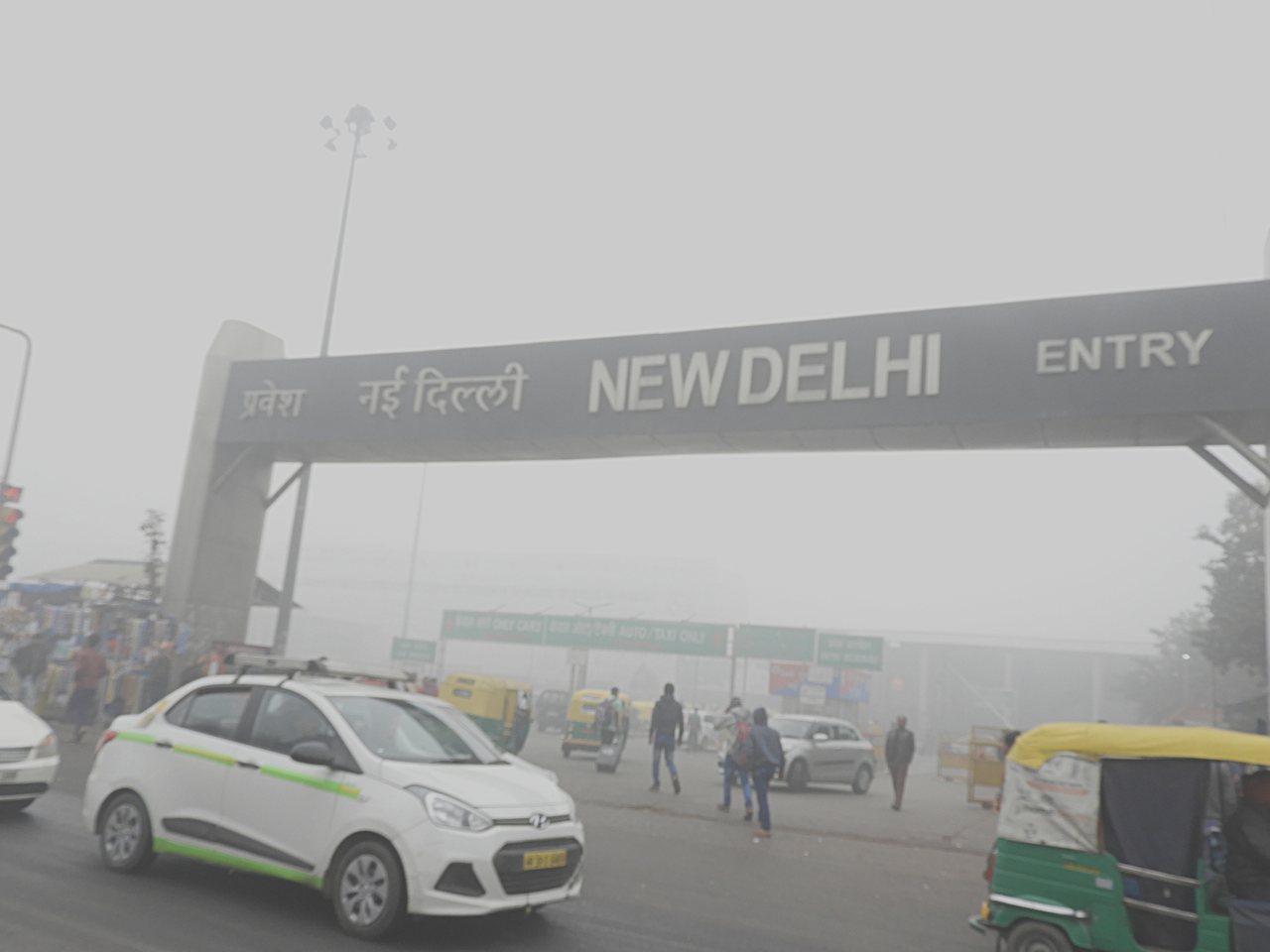
For two evenings this Diwali, people in Delhi and the National Capital Region may light crackers again. The Supreme Court on Monday allowed certified green crackers on 7 and 8 November, between 6 am and 7 am and between 8 pm and 10 pm, and said the year-round ban would return on 9 November. Justices M M Sundresh and Prasanna B Varale called the relief temporary and wrapped it in conditions: sales only from 4 to 6 November at sites chosen by district officials, no online selling, sealed boxes with QR codes, and no crackers within 300 metres of hospitals, schools and old-age homes.
On paper, it is a careful order. The trouble is that we have seen it before.
Last year’s experiment
On 15 October 2025, a bench led by the then Chief Justice B R Gavai allowed green crackers on the day before Diwali and on Diwali itself, in the same two daily windows. It too ordered QR checks, police patrols at sale points and daily air monitoring, and said it would examine afterwards whether its directions had been followed in full, in part or not at all.
The morning after Diwali, the capital’s air quality index stood at about 350, deep in the “very poor” band. Thirty-six of the city’s 38 monitoring stations were in the red, and Bawana crossed 400. Crackers were burst late into the night, well outside the permitted hours.
At a hearing on 12 October this year, the court’s own amicus, Senior Advocate Aparajita Singh, put it bluntly. Time limits, she said, “sound nice” but are not enforced. “Year after year, we see the same playbook getting repeated.”
The fair objection
There is a case for the court’s approach. Diwali matters to millions of families, and a total ban that is widely ignored teaches contempt for the law as surely as a loose one. Licensed traders and the workers who make crackers have livelihoods at stake. And Delhi’s November air is poisoned mainly by vehicles, dust, industry, farm fires and still winter weather; crackers add a sharp spike, not the whole load.
The bench clearly hopes to change habits rather than simply forbid them. “The endeavour is to bring about a holistic change for which the public perception has to change,” it said.
That is a reasonable aim. But a relaxation is only as good as its policing, and a court cannot change public perception if the public never learns whether the rules worked.
What should happen now
First, the Delhi Police and the police in the NCR districts of Haryana, Uttar Pradesh and Rajasthan should publish, day by day from 4 to 9 November, how many sale points they inspected, how many fake QR codes they found, what they seized and how many people they prosecuted. Numbers, not press notes.
Second, the pollution boards should release hourly readings for every station on the nights of 7 and 8 November, so anyone can see whether the spikes came inside the permitted windows or long after them.
Third, the no-cracker zones should be marked on the ground before 7 November, as the court directed, and not discovered by residents on the night.
Finally, when the case returns on 16 December, the court should weigh this year’s reports alongside last year’s in open court. If they show the windows were ignored again, the relaxation should not become an annual ritual granted by default. Two nights of light should not cost a city a week of breath.
The reporting behind this view
- 2nights, 7 and 8 November, on which green crackers are allowed in Delhi-NCR this year
- 350approximate Delhi AQI at 8 am the morning after Diwali 2025, under similar rules
- 36 of 38Delhi monitoring stations in the red zone that morning